
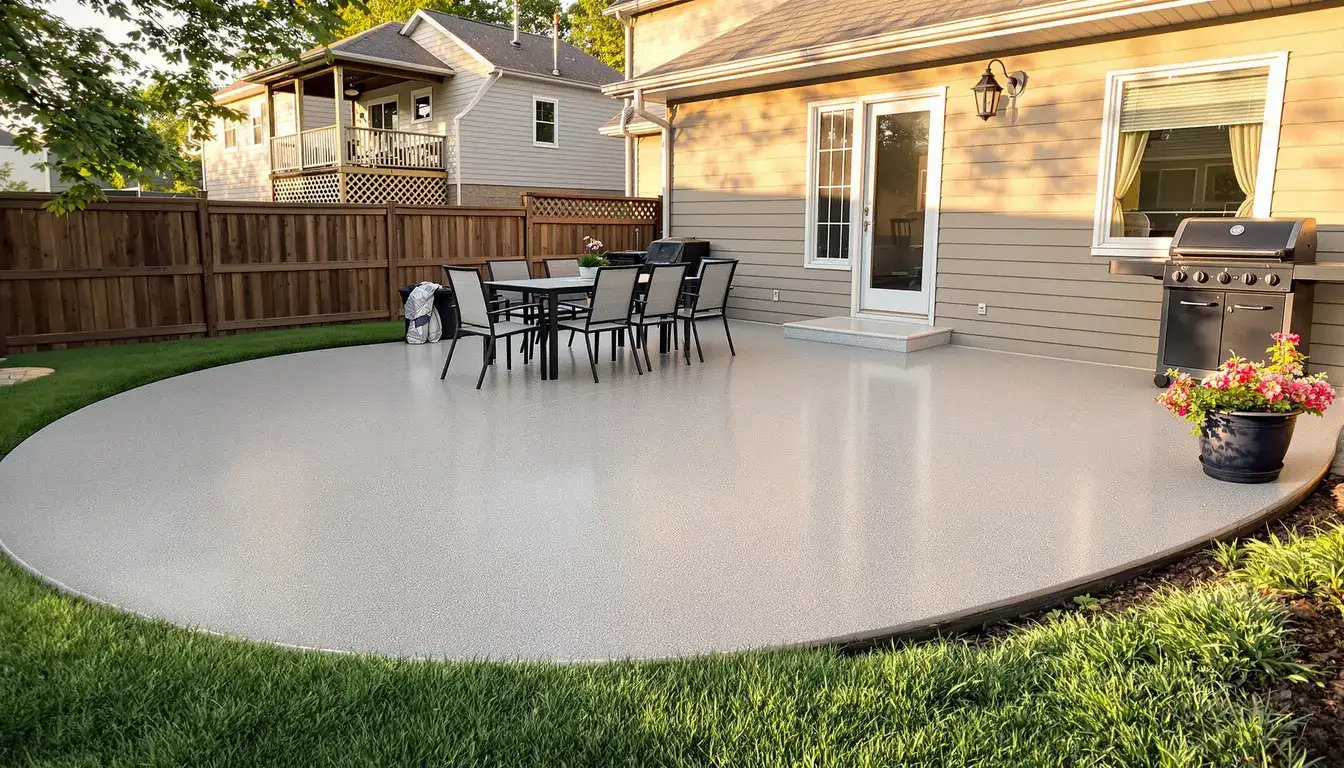
Concrete Patios & Outdoor Spaces in Kansas City, KS
Concrete patios built for Wyandotte County ground — from the Argentine river bottoms to the Strawberry Hill bluffs
Concrete Patios & Outdoor Spaces in Kansas City
Custom concrete patio design and installation for backyards, outdoor living areas, and commercial courtyards. Ford Concrete serves Kansas City, KS and the entire Kansas City metro with more than a decade of experience and a 5-star reputation.
Kansas City at a Glance
- Population
- 156,977
- State
- Kansas
- County
- Wyandotte County
- Schools
- Kansas City, Kansas Public Schools (USD 500)
What makes a concrete patio last on Wyandotte County ground?
A concrete patio in Kansas City, KS lasts when it is built for the ground it sits on: a compacted base matched to whether your lot is river bottom or bluff, four inches of 4,000-PSI concrete graded for positive drainage away from the house, and contraction joints cut on time so the slab cracks where you planned. Get those right and the patio outlives the deck furniture on it.
Wyandotte County is two different jobs on the same map. Down in the Argentine and Armourdale bottoms the ground is Kaw River alluvial clay with a high water table; up on Strawberry Hill and the western upland neighborhoods it is residual clay over firmer footing. A patio poured behind a bungalow near State Avenue reads nothing like one off a new lot near Village West, so we probe the base before we quote. If your slab is only tired, our resurfacing can refresh it, but on a heaved bottom-land slab a rebuild usually costs less over ten years than chasing it.
Why drainage decides a patio in the river bottoms
The single thing that fails patios on this side of the metro is water that has nowhere to go. In the Kaw bottoms the table sits close to the surface, so a patio poured flat holds runoff against the foundation and against its own edges. We set the finished slab a half-inch below the door threshold elevation and pitch it a quarter-inch per foot so water leaves toward the yard, not back at the house. On low lots we build the slab over a free-draining aggregate mat so it rides above the wet instead of wicking it.
The edges get the same attention. An isolation joint separates the patio from the house slab and any porch footing, so the two move on their own when the bottom-land clay works. Skip that and the first hard freeze telegraphs a crack straight across the pour. The same drainage discipline carries into our pool deck work, where standing water is not just a nuisance but a slip risk.
Why Kansas City patios crack at the corners
Most patio cracks in KCK start at an inside corner. An L-shaped or wrapped patio has a re-entrant corner — the notch where two edges meet — and that corner concentrates stress from every direction at once. Without a control joint running out of it, the slab tears from that point on the first big temperature swing. Missouri and Kansas share the same 36-inch frost line here, and winter shoulders that stress with freeze-thaw working down from the surface.
The fix is layout, not luck. We run a contraction joint out of every re-entrant corner and keep the panels roughly square so no single piece is left to see-saw. On the variable Wyandotte fill you also want joints spaced to the slab thickness so a panel never spans more soft ground than it can bridge. Patios we have rebuilt near the Turner Diagonal cracked at random because the original had no joint plan at all.
Replacing an aging patio near Strawberry Hill or Armourdale
Much of Kansas City, KS was built before 1950 in the urban core, and the original patios behind those homes are decades past their service life. The tell is not one clean crack — it is a surface that has scaled and flaked, panels that rock underfoot, and a slope that now tips water back toward the basement. Replacement is the moment to fix the grade the first slab got wrong and to give a bottom-land lot the drainage layer it never had.
A rebuild is also your chance to make the patio bigger and better than a plain gray square. We pull the old concrete, cut out soft or organic fill, compact a fresh base, and pour with a real joint plan. Ford runs the same patio work in nearby Bonner Springs, Shawnee, and Overland Park, so the crew knows how the ground changes from the river up to the ridge. See finished slabs on our project gallery.
Do you need a permit for a patio in Kansas City, KS?
An at-grade patio replacement inside the same footprint is usually simple, but a new patio, an enclosure, or anything that changes drainage across a property line runs through the Unified Government of Wyandotte County/KCK. We pull the permit, build to the setback and drainage standards, and schedule the inspection so it passes the first time. Kansas stormwater falls under KDHE, not Missouri's MoDNR — a line that matters once a job disturbs enough ground to trigger a state rule.
The paperwork is part of the job, not an upcharge. If you are lining up more than one project, our Kansas City, KS services page lays out patios, driveways, and repair together, and the patio service page shows the full range of finishes before you decide. Call (816) 721-1699 for a site visit, usually within 24 hours.
Ready to build your Kansas City, KS patio?
From call to concrete — the fastest in KC.
In Wyandotte County the ground decides everything — bottom or bluff — and drainage decides the rest. Ford probes the base, sets the slab to shed water, and hands you a written number, not a guess from the curb. Call (816) 721-1699 for a site visit, usually within 24 hours.
How we build Concrete Patios & Outdoor Spaces that lasts in Kansas City
Walk the lot and probe the base
We check whether your KCK ground is river-bottom alluvial or upland clay, read how water crosses the yard, and set the base and drainage plan from what we find.
Set the layout and threshold
We lay out the patio to the door, fixing the finished height just below the threshold so water always leaves toward the yard.
Excavate and compact the base
Soft or organic fill comes out; the base goes in and gets compacted in lifts, with a free-draining aggregate mat added on low bottom-land lots.
Form, grade, and isolate
Forms set the quarter-inch-per-foot fall for positive drainage, and an isolation joint separates the slab from the house and any footing.
Pour 4,000-PSI concrete
We place and finish a four-inch slab, choosing a broom or stamped finish with you before the pour so the surface matches the plan.
Cut the joints on time
Contraction joints are cut early, run out of every re-entrant corner, and spaced to the slab thickness so the concrete cracks where we planned.
Seal, cure, and walk it with you
We seal against freeze-thaw scaling, cure the slab, clean the site, and show you how to protect it through the first winter.
When Concrete Patios & Outdoor Spaces in Kansas City is ready to replace
Water pooling against the house
A patio that drains back toward the foundation instead of the yard was never pitched right — and on bottom-land clay that standing water keeps working on the slab and the basement wall.
A crack out of an inside corner
A crack running off the notch of an L-shaped patio means the re-entrant corner had no joint to relieve it. It only grows from there.
Flaking, scaling surface
A patio surface that flakes and sheds after a few winters is freeze-thaw scaling — usually a sealer that failed or was never applied.
Panels that rock underfoot
Slabs that see-saw when you step across them have lost their base support, common on the variable fill west of the river bottoms.
A widening gap at the house
A gap opening where the patio meets the house slab shows the two were never isolated and are now pulling against each other.
Sinking at one edge
A patio dropping along one side points to fill that was never compacted, or bottom-land clay that shrank away underneath.
Why Ford for your Kansas City Concrete Patios & Outdoor Spaces
We read the ground before we form
River bottom or bluff, the base decides how long a patio lasts in Wyandotte County. We probe the subgrade and set the drainage plan from what we find — not from a template that treats every lot the same.
One Crew, Full Metro
Our shop is in Lee's Summit — a real drive across the metro to KCK, but the same crew and the same standards whether a site is five minutes away or forty.
The crew that pours at commercial scale
The same people who placed tens of thousands of square feet of commercial floor pour your patio. That discipline on a backyard slab shows in the joints and the finish — see the commercial work.
4.9 stars, 29 Google reviews
KC-metro homeowners rate Ford 4.9 on Google across 29 reviews, and we schedule most estimates within 24 hours.
Where our Concrete Patios & Outdoor Spaces crews have delivered
From your driveway to an Amazon warehouse — the same crew, the same standards, every project.
Taco Bell
New Construction
Overland Park, KS
Domino's Pizza
New Construction
Independence, MO
Freddy's
New Construction
Kansas City
Tidal Wave Car Wash
New Construction
Kansas City
Amazon
New Construction
Riverside, MO
Nortian Food Grade Protein Facility
New Construction
Springfield, MO
Get your free Concrete Patios & Outdoor Spaces estimate in Kansas City
Or call us directly: (816) 721-1699
Concrete Patios & Outdoor Spaces in Kansas City — FAQs
How does Wyandotte County's ground affect a concrete patio?
Do I need a permit for a patio in Kansas City, KS?
Why do patios crack at the inside corner?
Broom finish or stamped concrete for my patio?
How long does a patio installation take in Kansas City, KS?
Can you make my old patio bigger when you replace it?
Other concrete work we do in Kansas City
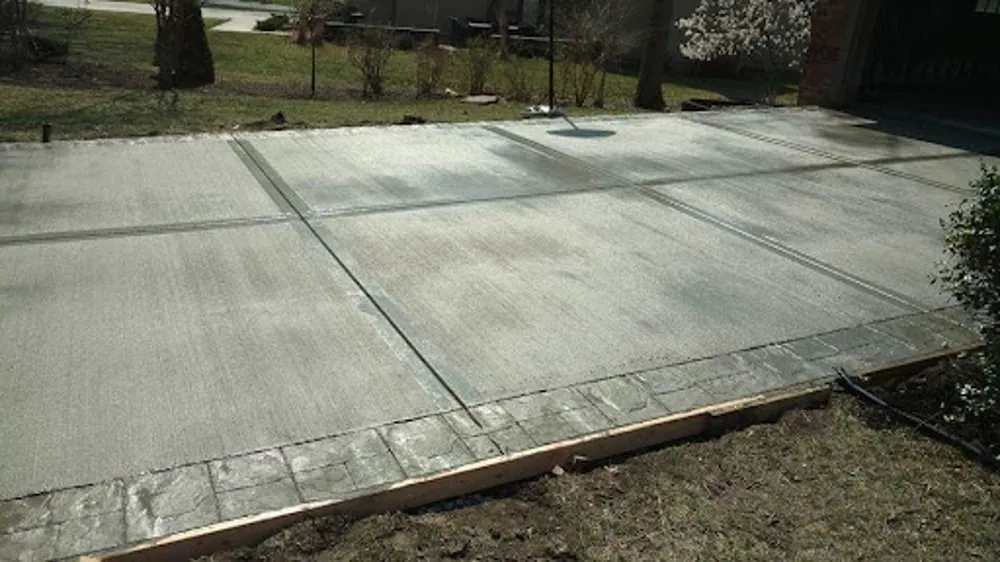
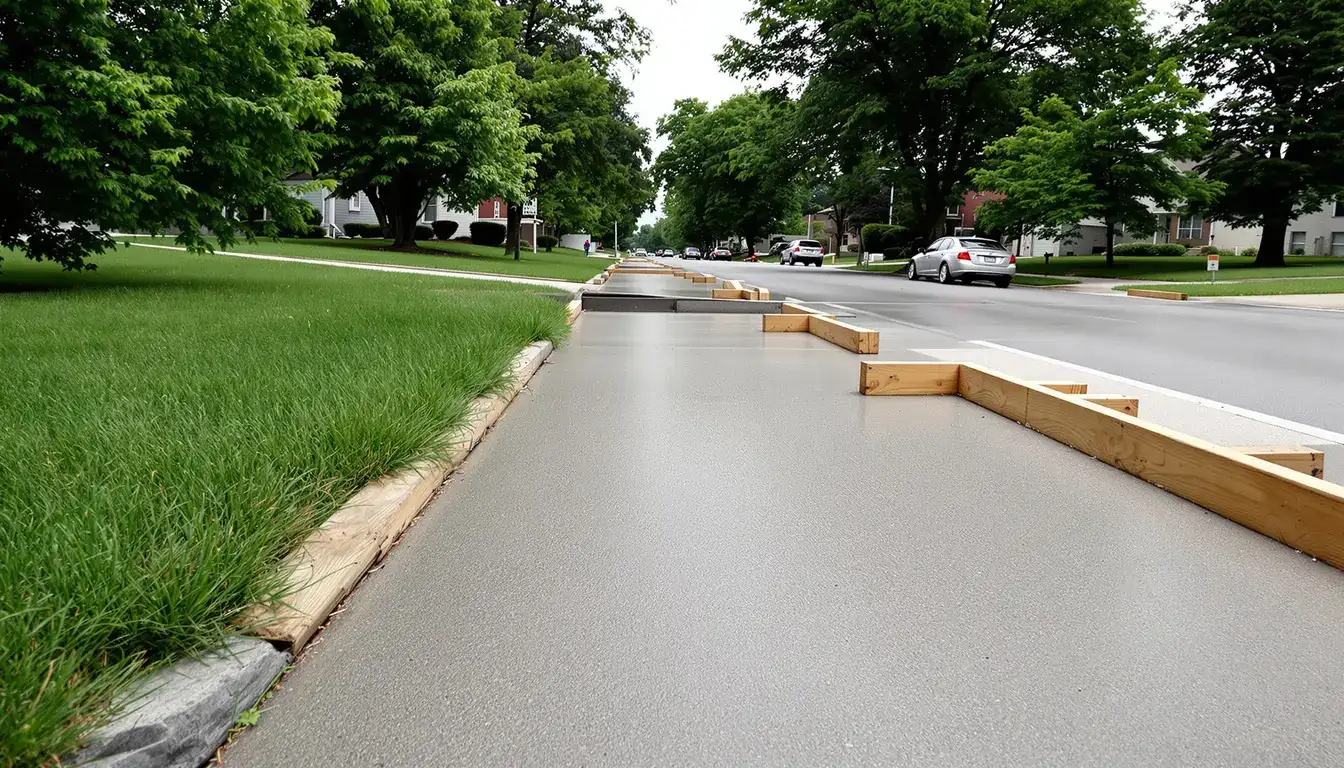
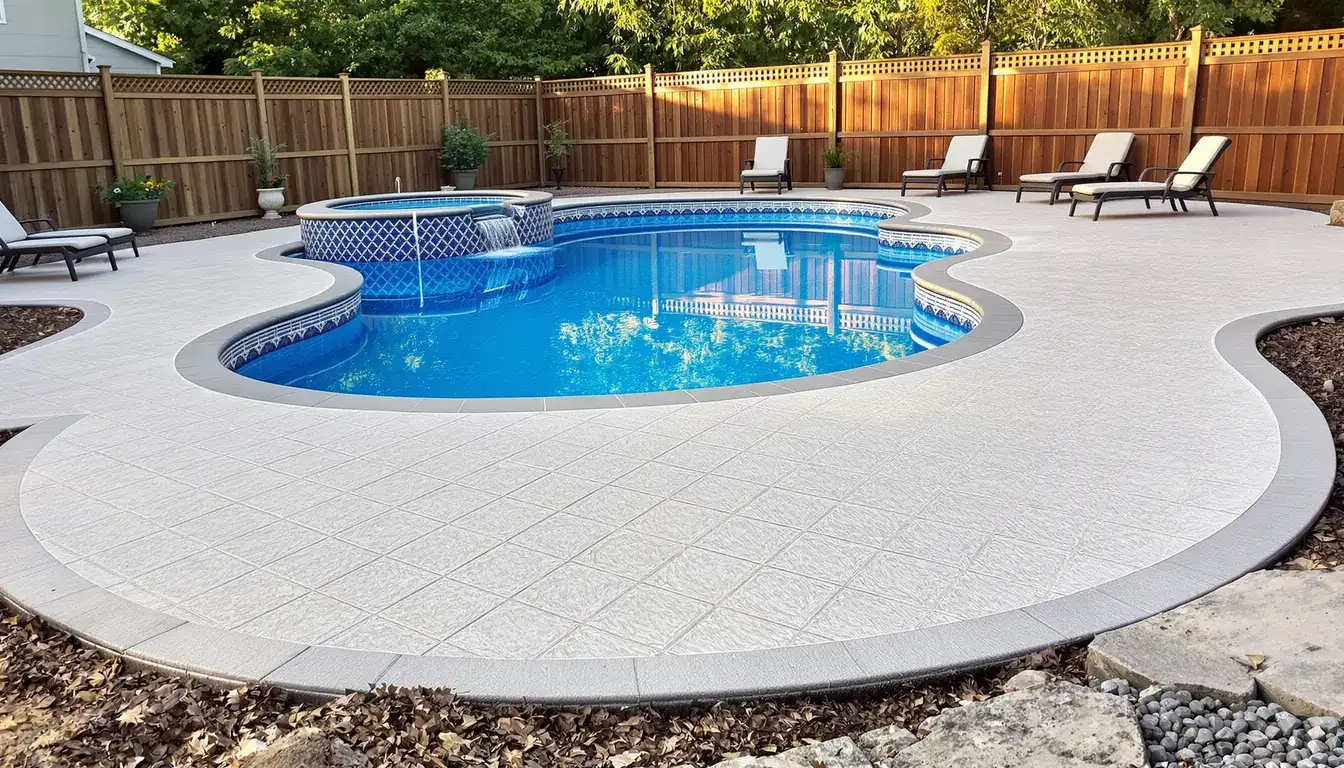
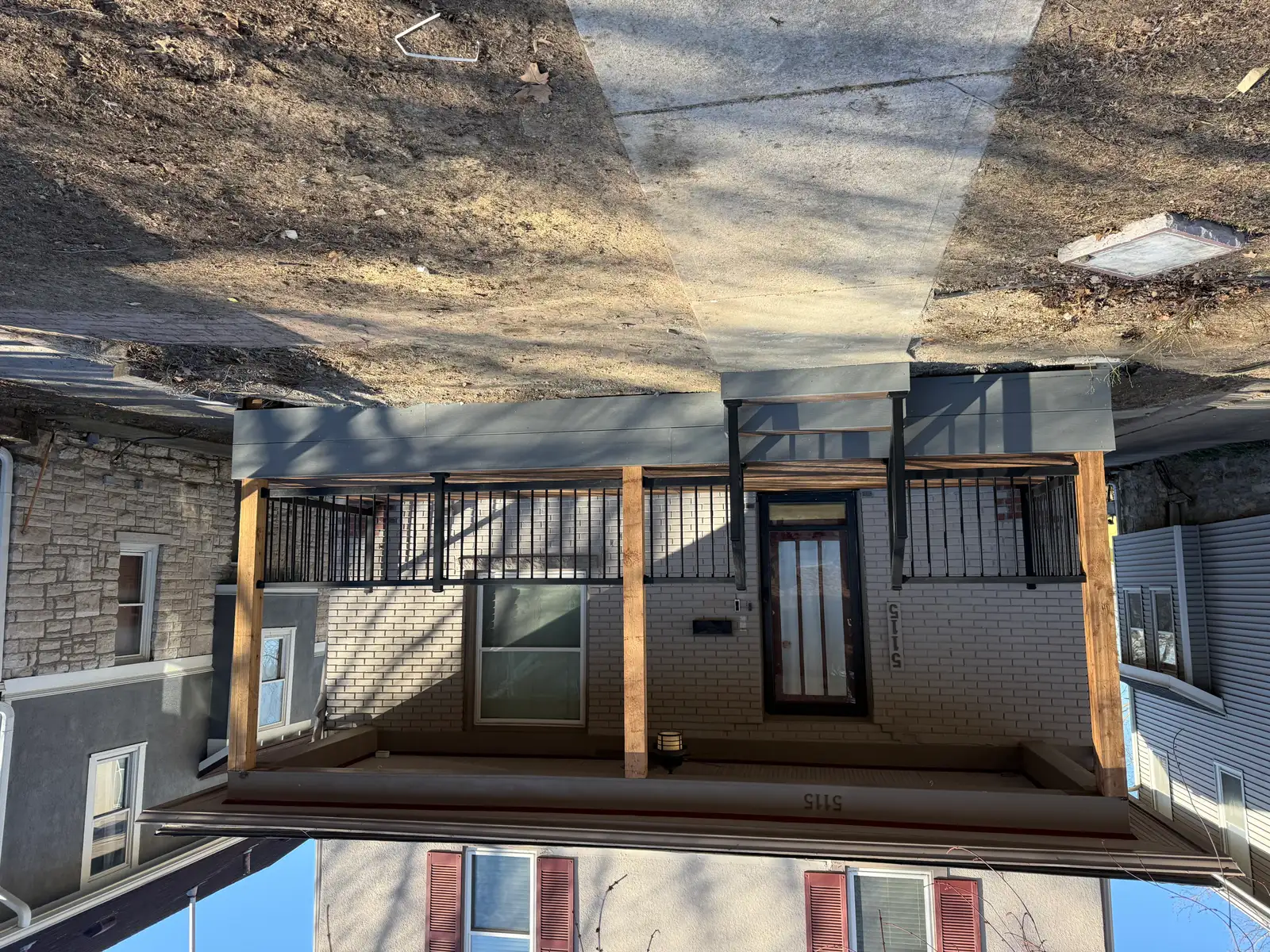
Concrete Patios & Outdoor Spaces across the Wyandotte County area
Ready to pour in Kansas City?
From call to concrete — the fastest in KC.
Get a free, no-obligation estimate for your concrete project. We serve the entire Kansas City metro — call (816) 721-1699 or request your estimate online.