
Stained & Colored Concrete Kansas City
Reactive acid stain, water-based dyes, and integral color on new pours and existing slabs — mottled, permanent finishes for basement floors, patios, showrooms, and restaurant dining rooms across the KC metro.
Stained & Colored Concrete in Kansas City
Acid staining, water-based staining, and integral color concrete for interior and exterior surfaces.
We serve both residential and commercial clients — from homeowners upgrading their property to general contractors building national brands. The same standards apply to every project.
Who does stained concrete in Kansas City?
Ford Concrete Construction stains and colors concrete across the Kansas City metro — reactive acid stain, water-based dye, and integral color on both new pours and existing slabs, sealed for the surface and the traffic it takes. We have finished decorative flatwork here since 2013 and hold a 4.9-star rating across 29 reviews.
Stain is not paint. Acid stain reacts chemically with the lime in cured concrete to produce a translucent, mottled color that becomes part of the slab; water-based dye deposits fine pigment for a broader, more uniform palette; integral color is mixed into the truck so the tone runs full-depth. Which one fits depends on where the slab lives and what it already is.
Staining sits in our decorative concrete category alongside stamped concrete and overlays and resurfacing. We stain floors and patios in Overland Park, Leawood, and Lee's Summit among the 46 metro cities we serve.
Acid stain, dye, or integral color — which one fits?
Each coloring method reaches a different look, palette, and durability. Acid stain is permanent and UV-stable but limited to earth tones and reactive with what is in the slab; dye is vivid and fast but best kept indoors; integral color hides chips because the tone runs full-depth. The table is what we actually specify by project.
| Method | How it colors | Color range | Exterior / UV | Works on old slab? |
|---|---|---|---|---|
| Acid stain | Reacts with lime in the concrete — variegated, translucent | Earth tones: browns, tans, greens, terra-cotta | Yes — UV-stable, holds outdoors | Yes, if clean and unsealed |
| Water-based dye | Deposits pigment into the surface | Full palette, including blues and grays | Interior preferred — some dyes fade in sun | Yes, on porous slabs |
| Integral color | Mixed into the ready-mix full-depth | Wide pigment range, uniform tone | Yes — color runs through the slab | No — new pours only |
| Tinted penetrating sealer | Adds tone as it seals | Muted accent tones | Yes — refreshable topcoat | Yes — easiest refresh |
For a stamped texture with color baked in, see the stamped concrete coloring methods; for a worn slab that needs a fresh surface before color, an overlay gives us clean concrete to stain.
Will stain take on my existing slab?
This is the question that decides the result, and most contractors skip it. Acid stain needs bare, porous, reactive concrete to work; a slab that has been sealed, power-troweled hard, or contaminated will grab color unevenly or not at all. We test a hidden corner before quoting a color. Here is what your existing concrete tells us:
| Slab condition | Best stain approach | What to expect |
|---|---|---|
| Bare, broom-finished patio | Acid stain or dye | Takes color well — rich, mottled result |
| Sealed or waxed floor | Strip first, then dye | Sealer must come off or color will not penetrate |
| Hard power-troweled slab | Dye or light acid etch | Dense surface resists acid — dye is more predictable |
| Oil-stained garage / shop | Overlay, then stain | Contamination blocks color — resurface first |
| New pour (yours to spec) | Integral color + accent stain | Full control — color designed from the mix up |
When a slab will not take stain cleanly, we say so and route you to an overlay or a fresh pour instead of selling a finish that will disappoint. That honesty is why our reviews cite it.
How long does stained concrete last in Kansas City?
The color itself is effectively permanent — acid stain is a chemical reaction, and integral color is in the concrete. What wears is the penetrating sealer over the top, which takes the abrasion, UV, and de-icing salt. Interior floors hold their sealer for years; exterior patios in our freeze-thaw want a reseal every 2–3 years to stay UV-stable and shed water.
On our clay-heavy ground, the slab under the color matters as much as the color. A stained patio poured on uncompacted subgrade will crack regardless of how well it is finished, and a crack shows through stain. We pour on a compacted base with control joints for the same reason we do on every flat slab — the same discipline behind our flatwork and paving work. See finished color on the project gallery.
Where does stained concrete work best?
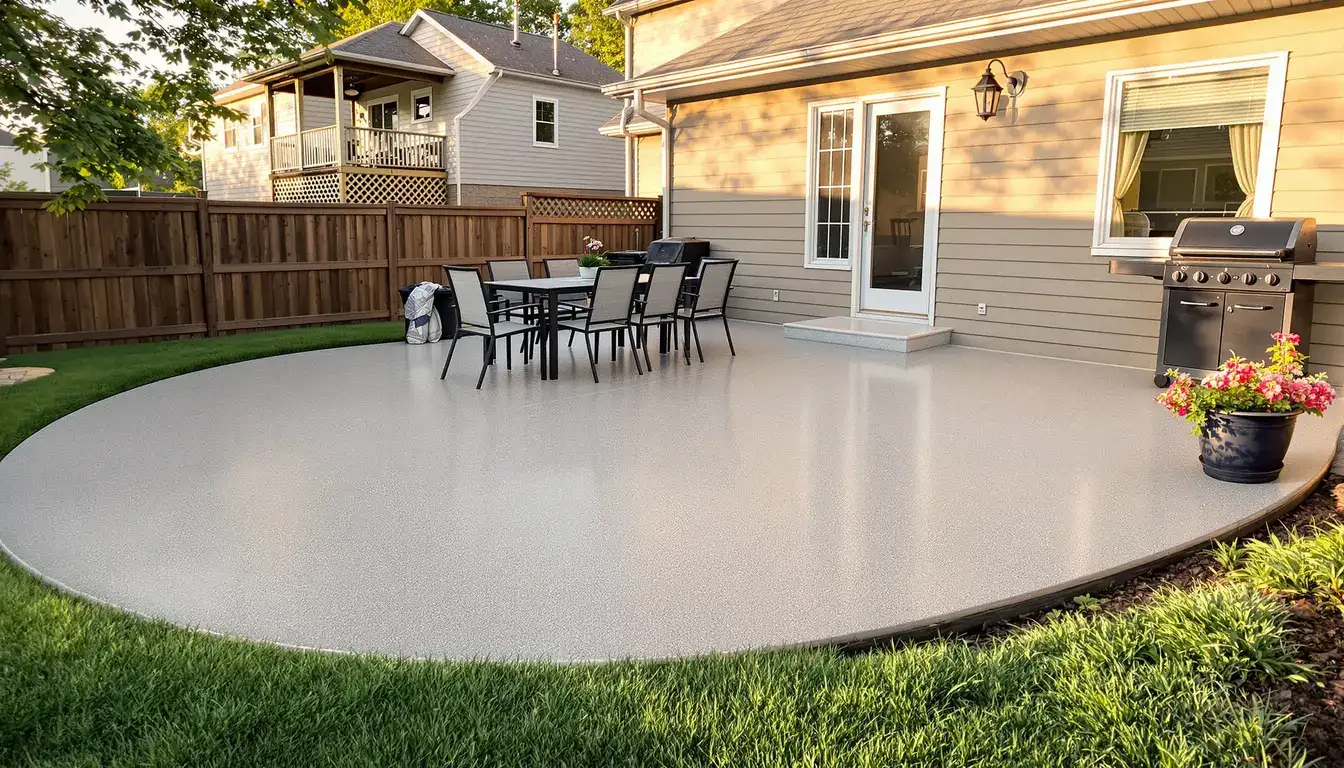
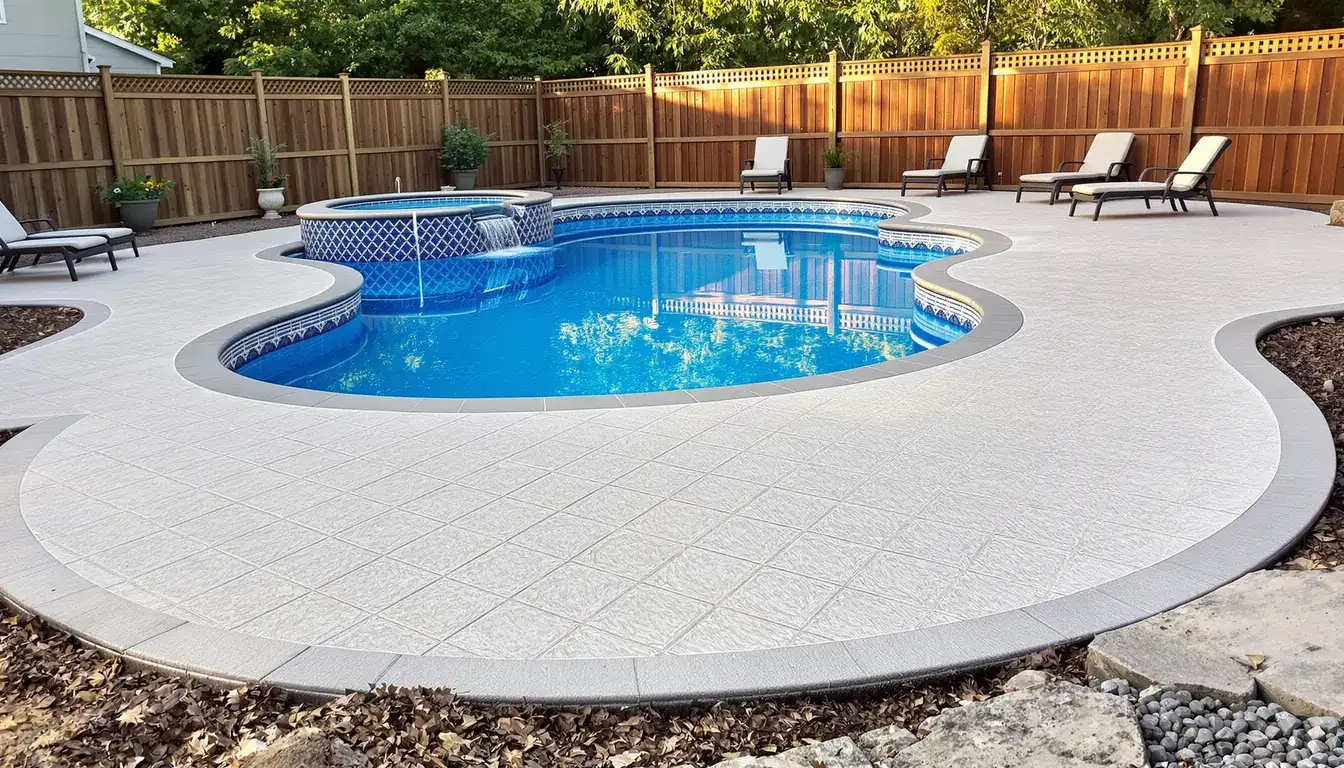
Stained concrete earns its keep where you want the look of finished stone or leather at the cost of concrete you may already own. Interior basement and living-area floors are the strongest fit — sealed dye or acid stain over a sound slab reads as high-end flooring with none of the seams. Outdoors, stained patios and pool decks pick up variegated earth tones that hide the dust and weathering light concrete shows.
Commercially, we stain restaurant dining rooms, retail showrooms, and office lobbies where a polished, low-maintenance floor sells the space — the same finish trades ask us for on restaurant and QSR and retail buildouts. Whatever the room, we match the method to the slab first, then to the look.
Thinking about staining a floor or patio?
From call to concrete — the fastest in KC.
Send us photos of the slab or let us walk it — we'll test how it takes color and tell you honestly whether stain, dye, or an overlay gives the result you want. Call (816) 721-1699 or request a free estimate.
How We Handle Stained & Colored Concrete in Kansas City
Slab test and layout
We evaluate porosity, existing sealer, and contamination, then test a hidden area with your chosen method so you approve the real color on your concrete.
Prep and clean
We strip old sealer, degrease, and open the surface as needed so the stain reaches reactive, porous concrete instead of sitting on a film.
Mask and protect
Walls, trim, and adjacent surfaces are masked — acid stain and dye do not come off where they land, so protection is part of the pour.
Apply color
We work the acid stain, dye, or integral accent in controlled passes, building the mottled or uniform depth the design calls for.
Neutralize and rinse
Acid stain is neutralized and rinsed to stop the reaction and remove residue, then the floor is dried before sealing.
Seal and finish
We apply a penetrating sealer matched to interior or exterior use, and set your reseal cadence — typically 2–3 years outdoors in our climate.
Signs You Need Stained & Colored Concrete
Blotchy or faded old stain
Uneven color usually means the slab was sealed or contaminated before staining, or an exterior dye was used where sun bleached it out.
Peeling or cloudy sealer
A film that flakes or turns milky was a topical coating that failed — stripping and a penetrating sealer restores the color underneath.
Bare, dusty basement slab
A porous interior floor that chalks is an ideal candidate for acid stain or dye — sealed, it stops the dusting and reads as finished flooring.
Weathered gray patio
A sun-washed patio that shows every bit of dirt takes variegated earth-tone stain well, hiding weathering that plain concrete broadcasts.
Oil-stained shop or garage
Contamination blocks stain from penetrating; the fix is an overlay to give us clean concrete, then color on the new surface.
New pour you want colored
If you are pouring fresh, integral color plus an accent stain gives full-depth tone and design control from the mix up.
Why Kansas City Chooses Ford Concrete
We test before we quote color
Acid stain reacts with what is in your slab, so we stain a hidden corner first. You see the real result on your concrete before committing to a color — no surprises after the room is done.
The right method for the room
Reactive acid stain outdoors, water-based dye for a full indoor palette, integral color on new pours. We pick chemistry to match substrate and sun, not whatever we stock.
Honest about bad candidates
A sealed, oiled, or hard-troweled slab will not take stain cleanly. We say so and route you to an overlay or fresh pour instead of selling a finish that disappoints.
Sealed for KC weather
Exterior stain gets a UV-stable penetrating sealer and a 2–3 year reseal cadence built for our freeze-thaw and de-icing salt — not a one-coat topcoat that clouds in a season.
Trusted by National Brands
From your driveway to an Amazon warehouse — the same crew, the same standards, every project.
Taco Bell
New Construction
Overland Park, KS
Domino's Pizza
New Construction
Independence, MO
Freddy's
New Construction
Kansas City
Tidal Wave Car Wash
New Construction
Kansas City
Amazon
New Construction
Riverside, MO
Nortian Food Grade Protein Facility
New Construction
Springfield, MO
Get Your Free Stained & Colored Concrete Estimate in Kansas City
Or call us directly: (816) 721-1699
Stained & Colored Concrete in Kansas City — FAQs
What is the difference between acid stain and concrete dye?
Can you stain concrete that is already down?
Does stained concrete fade in the sun?
How often does exterior stained concrete need resealing?
Will a crack show through stained concrete?
Can you match a specific color?
Ready to Get Started?
From call to concrete — the fastest in KC.
Get a free, no-obligation estimate for your concrete project. We serve the entire Kansas City metro — call (816) 721-1699 or request your estimate online.