
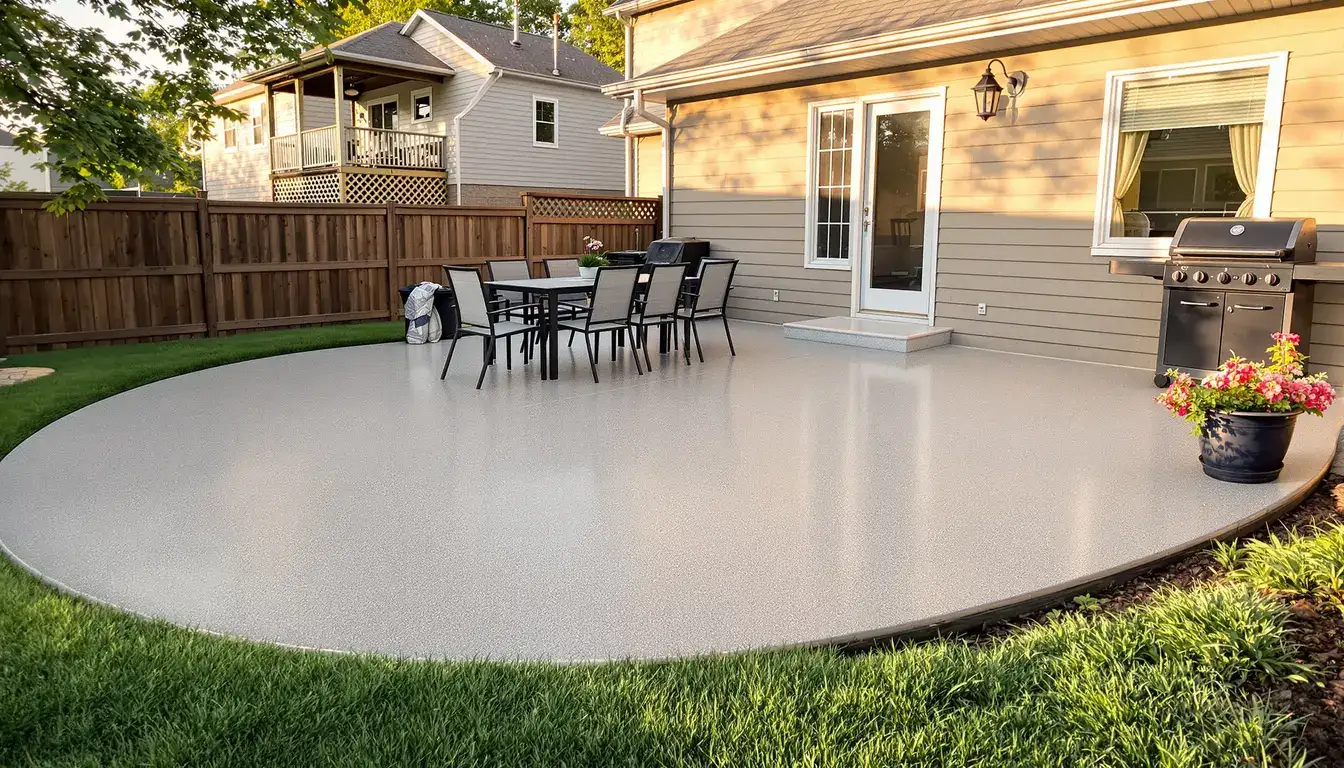
Concrete Patios & Outdoor Spaces in Belton, MO
Concrete patios for Belton — a real compacted base and the right drainage on Cass County's silty clay, from the I-49 subdivisions to Old Town
Concrete Patios & Outdoor Spaces in Belton
Custom concrete patio design and installation for backyards, outdoor living areas, and commercial courtyards. Ford Concrete serves Belton, MO and the entire Kansas City metro with more than a decade of experience and a 5-star reputation.
Belton at a Glance
- Population
- 26,772
- State
- Missouri
- County
- Cass County
- Schools
- Belton School District #124
Why a Belton patio lives or dies on the ground beneath it
A concrete patio in Belton lasts when it sits on a compacted base, sheds water with a positive drainage fall away from the house, and is held off the foundation by an isolation joint. On Cass County's silty clay, the base and the slope decide far more about how long it lasts than the concrete itself.
That ground matters here because Belton sits on Sharpsburg-Grundy silty clay — a soil that holds water, gives it up slowly, and is prone to frost movement once it stays wet. Silt behaves nothing like the free-draining sandy soils some yards have; it grips moisture, and saturated silt is the silt that heaves in a hard freeze. Around the I-49 corridor, whole subdivisions like Autumn Ridge, Eagle Glen, and Traditions went up between 2015 and 2022 on graded fill over that silt, and a patio poured on it without a plan for water is a patio the ground will work on every winter. Get the base and the fall right and the slab has a real chance; skip them and no finish on top will hold it flat.
What a Belton patio needs on Sharpsburg-Grundy clay
The build starts underground. We bring a compacted base up in lifts over the native silty clay, pour a four-inch slab of 4,000-PSI concrete, and separate it from the house with an isolation joint so the patio and the foundation each move on their own. On a new I-49-corridor lot where fill was placed for the subdivision, that base work is where a lasting patio is won or lost — loose or wet fill has to be compacted before a slab ever goes on top of it.
Silt adds one more demand: it drains poorly, so the base itself has to move water rather than hold it. We grade the base to fall the same direction the finished slab will, and where a patio meets a step or a stoop we set a restraint point that keeps the slab from creeping downhill on the clay. Those are the details that separate a patio built for Belton's ground from one poured to a number.
Standing water is what silt does worst
Because Sharpsburg-Grundy silt lets go of water so slowly, surface drainage carries more weight in Belton than it would on a free-draining lot. Water that pools at a low edge sits on the clay and soaks straight down into it, and silt that stays saturated is the silt that swells, softens, and lifts the slab above it. We build every patio to positive drainage — a steady, unbroken fall away from the house — so rain leaves the surface instead of standing on it.
The fall is set at the door. We hold the threshold elevation so the finished patio sits below the sill, then run the slope down and out from there, checking the grade with a level across the whole slab before any concrete is ordered. On the flatter lots common through Belton's newer subdivisions, that half-degree of pitch is the whole difference between a patio that drains and one that ponds a puddle by the back door after every storm.
Where a new patio cracks, and how the joints decide it
Silty clay moves with the seasons — it takes on water and firms up, then dries out and pulls back — and that slow flex is what opens a crack across a patio poured without a plan for it. The plan is the joints. We saw contraction joints into the fresh slab at a spacing set by its thickness, giving the concrete a weak line to open along before it invents one of its own. Cut on time and to the right depth, those lines take the movement quietly; left out, the slab cracks wherever it likes, usually straight across the middle.
Inside corners take the hardest pull. Where a patio wraps a corner of the house or steps around a stoop, shrinkage stress concentrates at that re-entrant corner, so we carry a control joint straight out of every notch to relieve it. Holding the slab loose from the foundation with the isolation joint does the rest, and on the older shaded lots near Belton Memorial Park we cut back the tree roots that would otherwise lift a slab edge from below.
Picking the finish for a new outdoor room
A patio going in behind a new home in Autumn Ridge or Eagle Glen is the moment to decide what the surface should be. A broom vs stamped finish is the first fork: a broom finish is the durable, slip-resistant value choice that keeps the budget down in the base where it belongs, while a stamped finish turns the same pour into the look of cut stone or brick for an outdoor room off the back of the house. Because the color and texture are worked into the concrete as it cures, the finish is a decision made once, at the pour — not a coating re-applied every couple of years.
On a stamped slab the joints become part of the pattern, so we lay them out for joint pattern continuity and choose a sealer with the right vapor transmission so the slab can release moisture instead of clouding under the film. Before any stamped patio we pour a mockup on your own ground, so you approve the exact color and texture in Belton light before the full slab goes down.
Replacing a worn patio in Old Town Belton
Not every Belton patio is new. Old Town, north of MO-58, is full of mid-century homes whose original patios are now decades past their service life — thin slabs poured on bare graded silt, cracked through, settled, or scaled down to the aggregate. On a slab that old, a patch or a fresh coat of sealer only buys a season, because the trouble is under the concrete, not on top of it.
There is a quick test for which repair fits. If the surface is worn but the slab still rings solid, holds its slope, and shows no cracks running edge to edge, a bonded resurfacing overlay can lay a new wearing surface over it without a full tear-out. If the slab rocks, flakes off in sheets, or drains back toward the house, it is done, and a rebuild on a proper compacted base is the honest call. We run the same patio work through the south metro in Raymore, Grandview, and Peculiar, so we know how this silty ground behaves lot to lot.
Do you need a permit for a patio in Belton?
Belton requires a permit for concrete flatwork, pulled through the City of Belton. A same-footprint replacement is straightforward; a new patio, an enclosure, or a change to how the lot drains needs the permit and inspection, which we file and schedule so the job passes the first time — the same visit where the positive drainage away from the house gets checked. Missouri stormwater runs through MoDNR, not Kansas's KDHE, a distinction that matters the moment a job disturbs enough ground to trigger a state permit.
If you are weighing more than a patio, our Belton services page lays out patios, driveways, and repair on one visit, and the patio service page shows the full range of finishes. Belton and KC-metro homeowners rate Ford 4.9 on Google across 29 reviews, and the crew that pours heavy truck-court concrete for the logistics lots off I-49 is the same one that builds your backyard patio. Call (816) 721-1699 for a written estimate after a site visit, usually within 24 hours.
Ready to build your Belton patio on ground that will hold it?
From call to concrete — the fastest in KC.
Silty Cass County clay goes to work on a slab poured without a base and a fall to shed water. We build both. Call (816) 721-1699 for a site visit, usually within 24 hours, and a written number.
Belton Concrete Patios & Outdoor Spaces, done to spec
Read the patio or the new lot
We look at the existing slab or the new build pad, the fill, and the grade, then tell you what the ground needs before any concrete.
Strip and cut the clay
We remove an old slab or strip the pad, digging out soft or wet silty clay down to ground we can build on.
Compact and grade the base
We bring the base up in lifts and grade it to drain — the step that decides how a patio holds on silt.
Form and set the fall
Forms set the slope below the door threshold for positive drainage, with an isolation joint separating the slab from the house.
Pour and finish 4,000-PSI concrete
We place the slab and work in your broom or stamped finish, mixed for Belton's freeze-thaw winters.
Cut joints and detail corners
Contraction joints go in early and run out of every inside corner so the patio cracks where we planned it, not at random.
Seal, cure, and walk it
We seal with attention to vapor transmission, cure the slab, clean the site, and walk the finished patio with you.
Warning signs on Belton Concrete Patios & Outdoor Spaces
A young slab already cracking
A newer subdivision patio splitting within a few years usually sat on fill that was never compacted, or lost the joints that relieve silty-clay movement.
Water standing by the back door
A puddle that lingers after rain means the slope was lost or never set — and on silt, pooled water soaks in and feeds the heave.
A corner that dropped into the clay
A patio corner that sank has lost its base as silty clay softened and gave way beneath it, common where a slab was poured on bare graded ground.
A crack running from an inside corner
A crack out of the notch of an L-shaped patio is the re-entrant corner with no joint to bleed off the stress that gathers there.
A pitted, flaking Old Town surface
A peeling top on a mid-century Belton slab is freeze-thaw and deicer scaling on concrete poured before air-entrainment was routine.
Blotchy color on a stamped slab
Cloudy patches usually mean moisture trapped under a sealer that couldn't breathe; a reseal with the right vapor transmission clears it.
How Ford earns Belton work
We build for Belton's silty ground
Sharpsburg-Grundy silt holds water and heaves in a freeze. We compact the base to move water and pour a slab that stays flat through it.
The base carries the patio
On a new I-49 subdivision lot, the fill has to be compacted before a slab goes on it. We do that work underground, where the value is.
Overlay or tear-out, told straight
If an Old Town slab is only surface-worn, we resurface it. If it's cracked through, we rebuild it. You get the honest call, not the bigger invoice.
4.9 stars, 29 Google reviews
Belton and KC-metro homeowners rate Ford 4.9 on Google across 29 reviews for concrete work across the south metro.
Commercial work behind our Belton crews
From your driveway to an Amazon warehouse — the same crew, the same standards, every project.
Taco Bell
New Construction
Overland Park, KS
Domino's Pizza
New Construction
Independence, MO
Freddy's
New Construction
Kansas City
Tidal Wave Car Wash
New Construction
Kansas City
Amazon
New Construction
Riverside, MO
Nortian Food Grade Protein Facility
New Construction
Springfield, MO
Book your Belton Concrete Patios & Outdoor Spaces estimate
Or call us directly: (816) 721-1699
Concrete Patios & Outdoor Spaces in Belton — FAQs
What kind of soil is under a Belton patio?
My subdivision is only a few years old — why is my patio cracking?
Can you resurface my Old Town patio instead of replacing it?
Do I need a permit for a patio in Belton?
Broom finish or stamped — which should I pick?
How long does a patio take to build in Belton?
Related concrete services in Belton
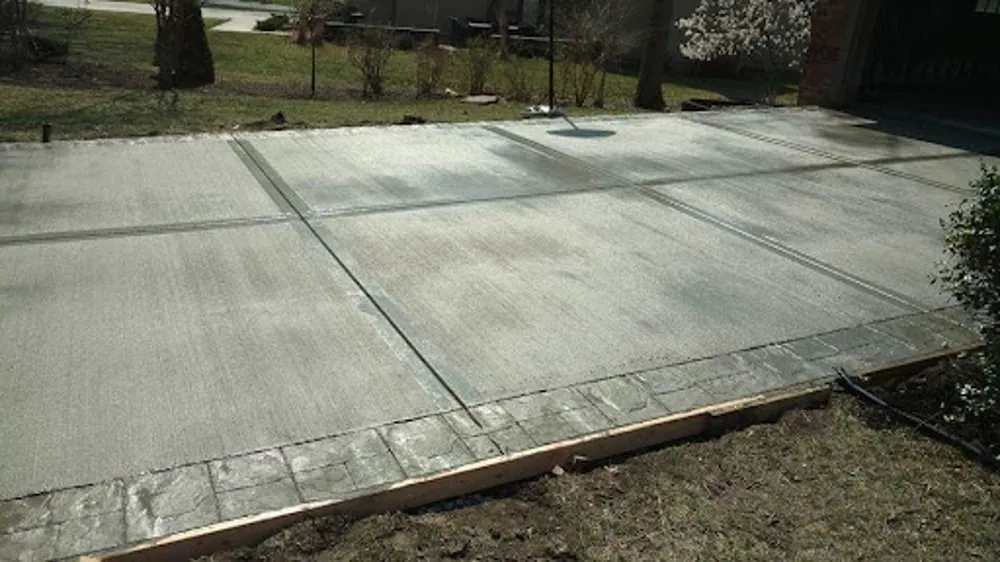
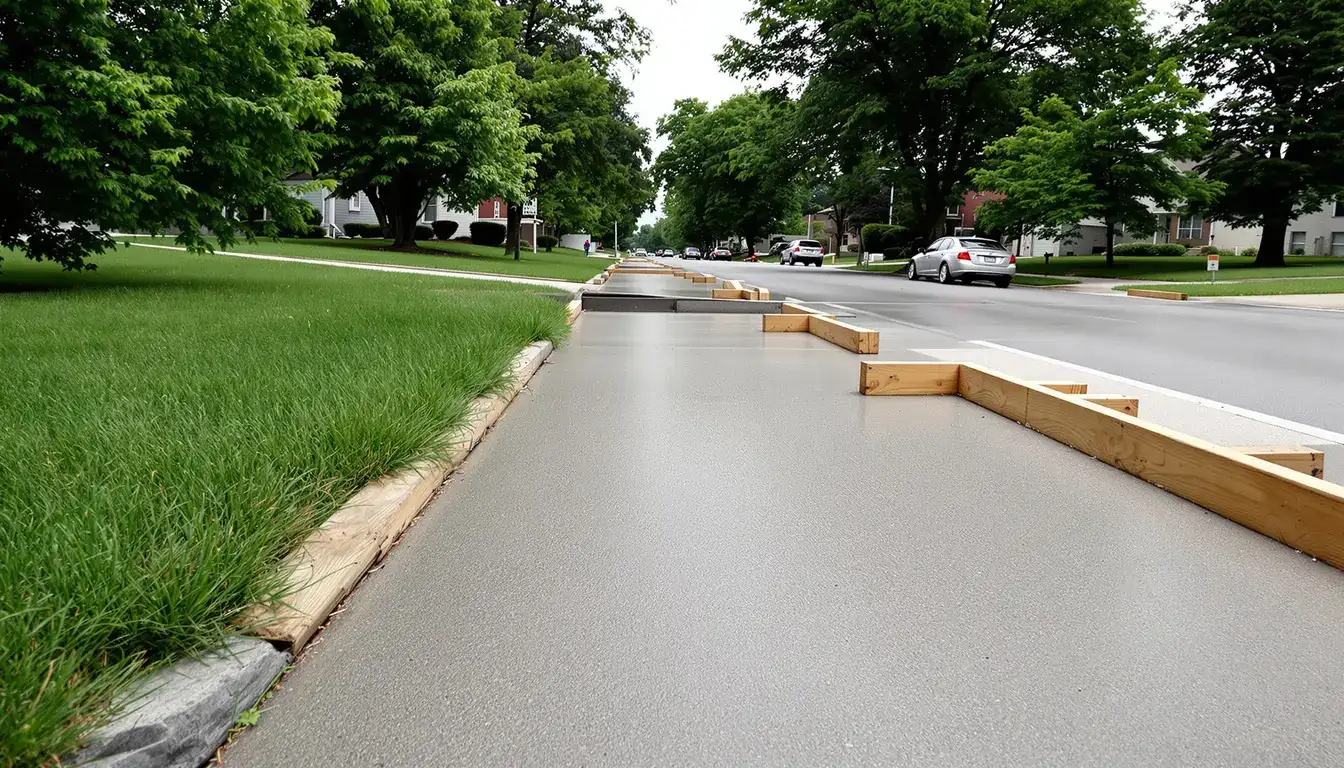
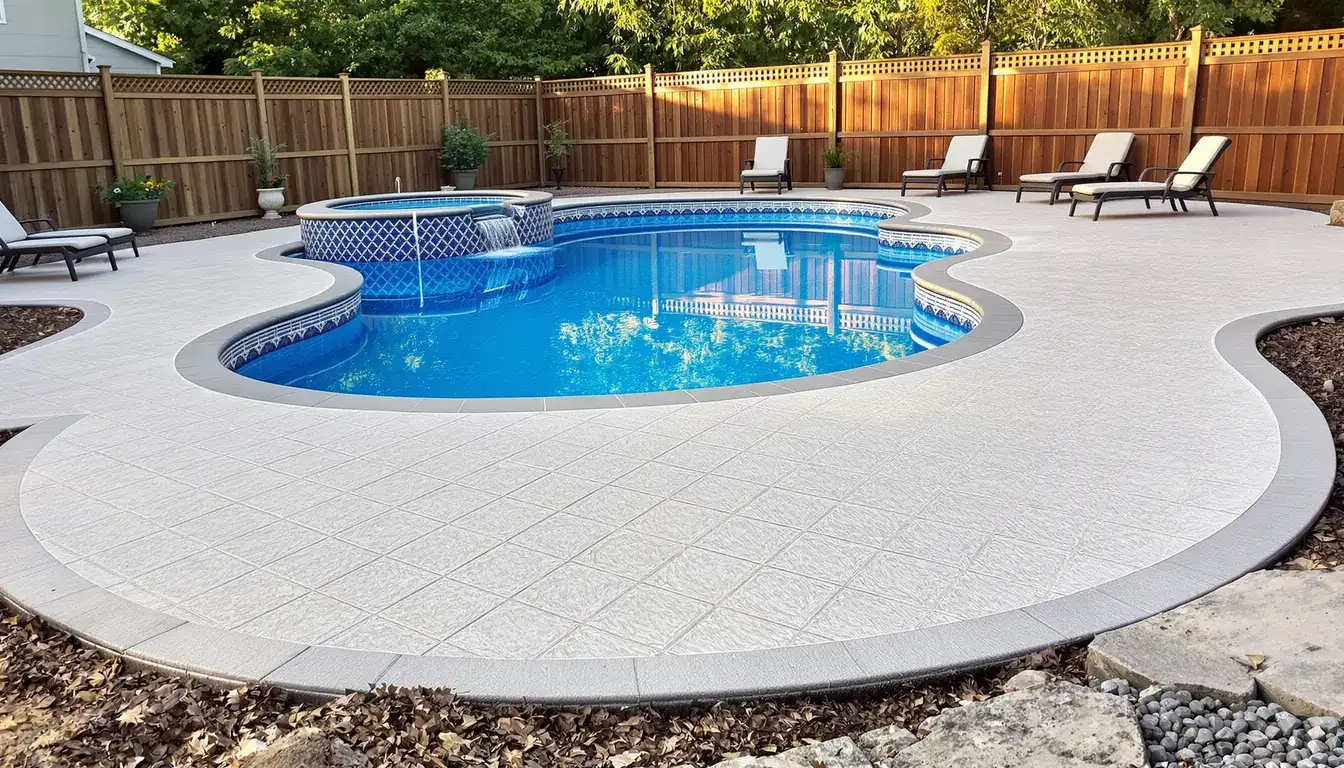
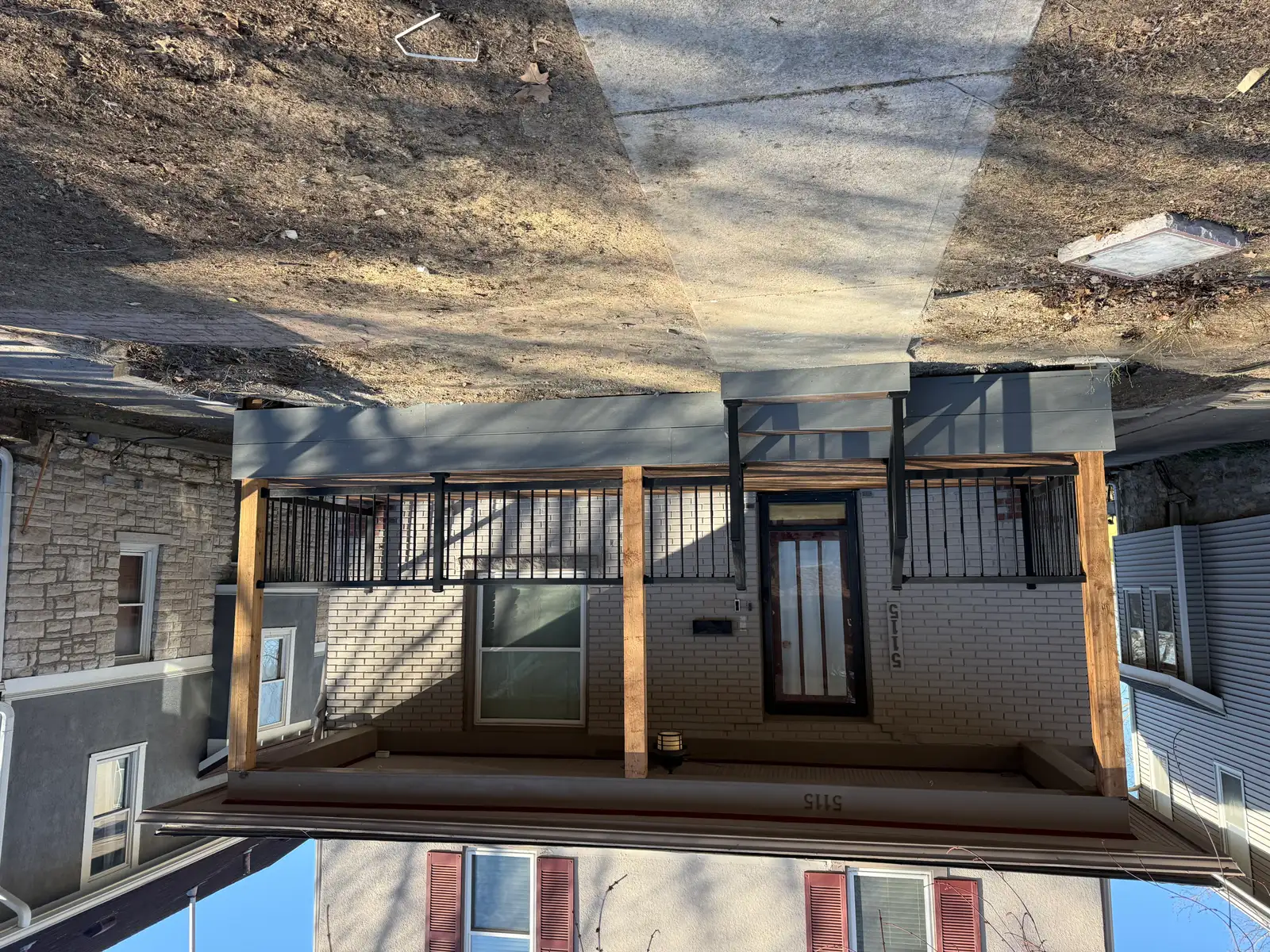
Nearby Belton-area projects
Let's build your Belton Concrete Patios & Outdoor Spaces
From call to concrete — the fastest in KC.
Get a free, no-obligation estimate for your concrete project. We serve the entire Kansas City metro — call (816) 721-1699 or request your estimate online.