Concrete Parking Lots in Blue Springs, MO
Commercial concrete lots for Blue Springs' MO-7 and Old 40 corridors — drainage built in first, then a durable air-entrained surface that resists the graying and scaling that shows on a deferred-maintenance lot.
Concrete Parking Lots in Blue Springs
Commercial parking lot construction, expansion, and replacement for businesses, restaurants, and retail centers. Ford Concrete serves Blue Springs, MO and the entire Kansas City metro with more than a decade of experience and a 5-star reputation.
Blue Springs at a Glance
- Population
- 62,429
- State
- Missouri
- County
- Jackson County
- Schools
- Blue Springs R-IV School District
What makes a concrete parking lot last in Blue Springs?
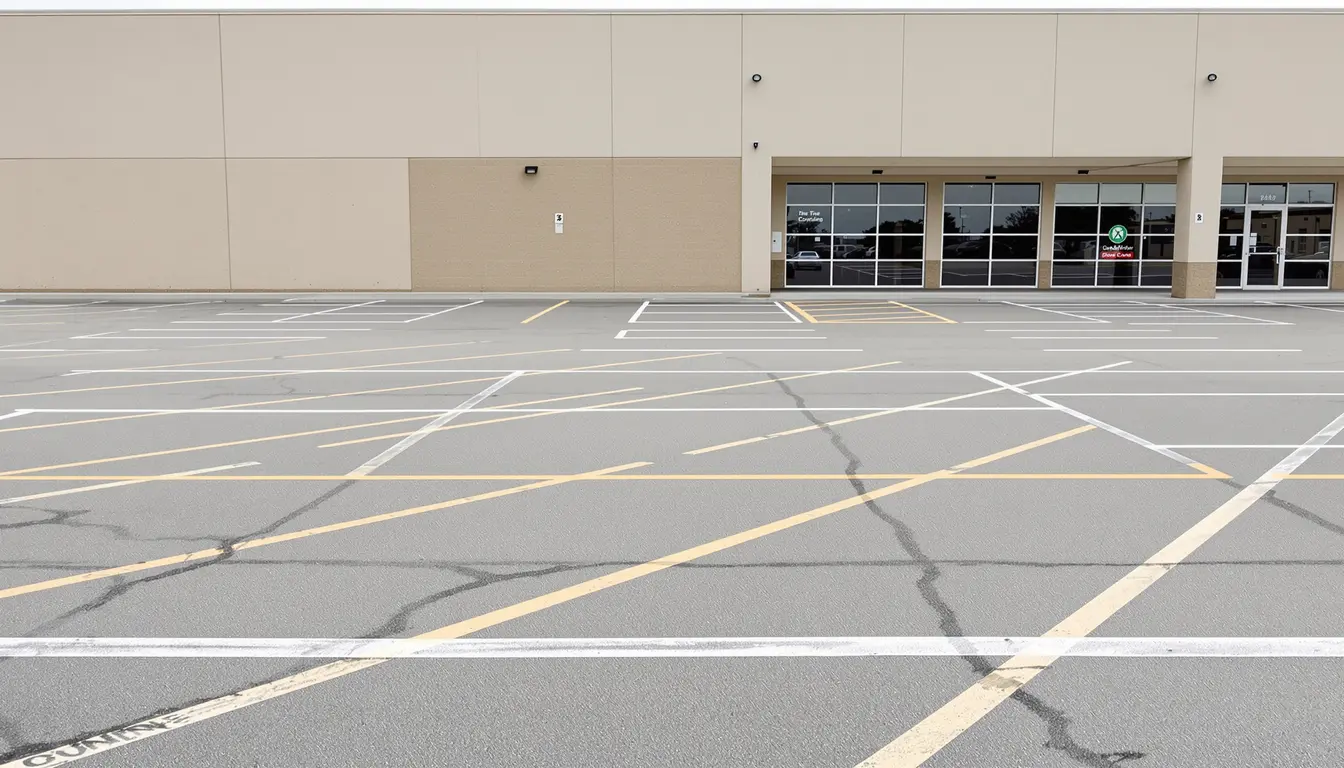
A concrete parking lot lasts in Blue Springs when the water leaves it first. The linear retail strips along MO-7 and Old 40 fail at drainage before they fail at anything else, so we build the fall into the pavement, then place a durable air-entrained surface that resists the oxidation and scaling a deferred-maintenance lot shows. Getting water off the concrete is the single biggest lever on how long it lasts.
Ford Concrete pours commercial flatwork across eastern Jackson County, and Blue Springs is a mature, linear market — most of its commercial ground runs along the I-70 and MO-7 corridors, and much of it dates to the 1970s and 80s boom. A lot here needs its drainage, its surface, and its truck-corridor design all handled, checked against MoDNR requirements.
Building the drainage in first
The older commercial strips near the Blue Springs downtown core show the same failure over and over: water that sits instead of leaving, because the grade was never built to move it. Standing water undermines the base, feeds freeze-thaw damage, and stains the surface. On a linear MO-7 lot with little natural fall, drainage is not something you borrow from the site — it has to be designed into the pavement.
We set the fall deliberately so water runs to the inlets instead of ponding against a storefront, and we tie the surface drainage into the curb and gutter so the whole edge works together. Getting the storm drainage right is the difference between a lot that dries after a rain and one that is slowly destroyed by its own runoff.
Designing for MO-7 arterial traffic
MO-7 is a heavy north-south arterial, and the Class 8 truck volume it carries — plus the braking and turning at the I-70 interchange — shoves and ruts pavement built too thin. The Fike industrial traffic and the delivery loads at Adams Dairy Landing add their own wear at the entrances and loading zones. Passenger stalls barely feel it, so we split the lot into light vs heavy-duty zones and design each to what it actually holds.
The heavy zones follow ACI 330, with the pavement thickness set from the ESAL the corridor will put through the lot over its life. Designing to the real load is what keeps the drive lanes and truck entries from rutting while it keeps money out of stalls that never need the depth.
The expansive clay under the corridor
Under the MO-7 corridor is Jackson County's Wymore clay — the same expansive ground that runs through Independence and Grain Valley. It swells when wet and shrinks as it dries, and that movement cracks a slab placed on raw or poorly compacted subgrade. Blue Springs' drainage problems make it worse, because water trapped in the base keeps the clay moving.
We build for it: dig out unsuitable material, add subgrade stabilization where the ground needs it, and compact in lifts to a uniform k-value so the pavement has even support. With the water managed on top and the base built right underneath, the clay stops being the thing that fails the lot. It is the same ground we build on in Independence and Grain Valley.
Joints, dowels, and load transfer
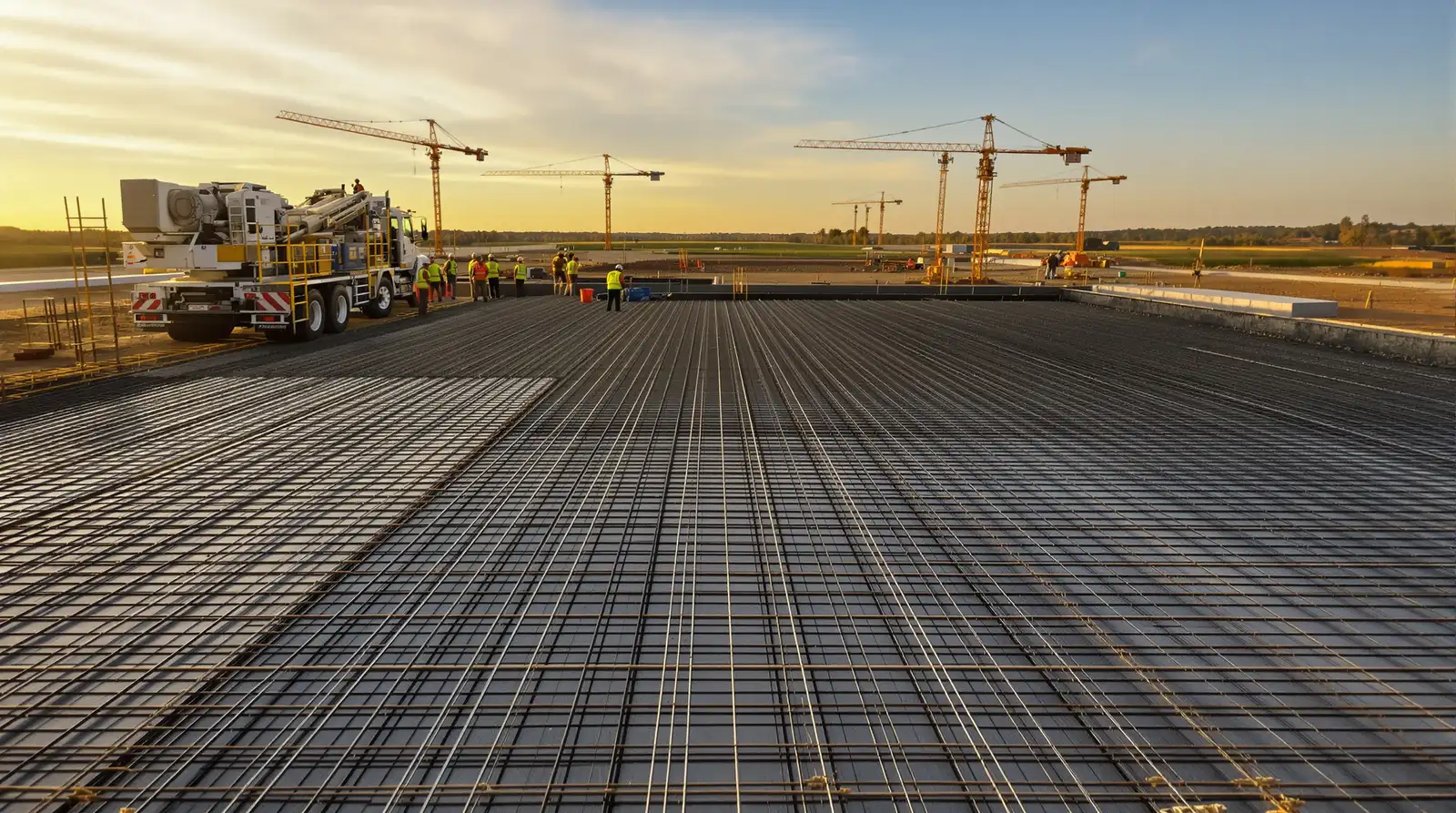
Concrete cracks; the job is controlling where. We saw-cut the jointed concrete pavement on a grid sized to the slab, and at the construction joints and loaded entrances we set dowel bars so adjacent panels share the load and stay level — the load transfer that keeps a truck entrance off MO-7 flat through years of traffic. Longitudinal joints get a tie bar to keep the lanes from separating.
Every cut then gets a joint sealant to keep water and de-icing salt out — doubly important on a lot where drainage is already the weak point. The concrete is placed at 4,000 PSI and air-entrained so the surface resists scaling through the freeze-thaw winters.
Deferred-maintenance lots on Woods Chapel and Old 40
Many of the big-box lots along Woods Chapel Road and Old 40 have been deferred for years, and it shows as oxidation and graying — the surface polishing and fading that comes before real structural failure. Some of those lots can still be resurfaced; others have reached the end of their life and need reconstruction. The decision comes down to whether the base and joints are sound or the clay and water have already worked them apart.
We read the lot before quoting so an owner is not paying to patch pavement that is due for a rebuild. Where the concrete is done, our concrete repair and reconstruction work covers the assessment, and the newer retail at Adams Dairy Landing shows what a lot built right from the base looks like a decade on.
Keeping a working lot open
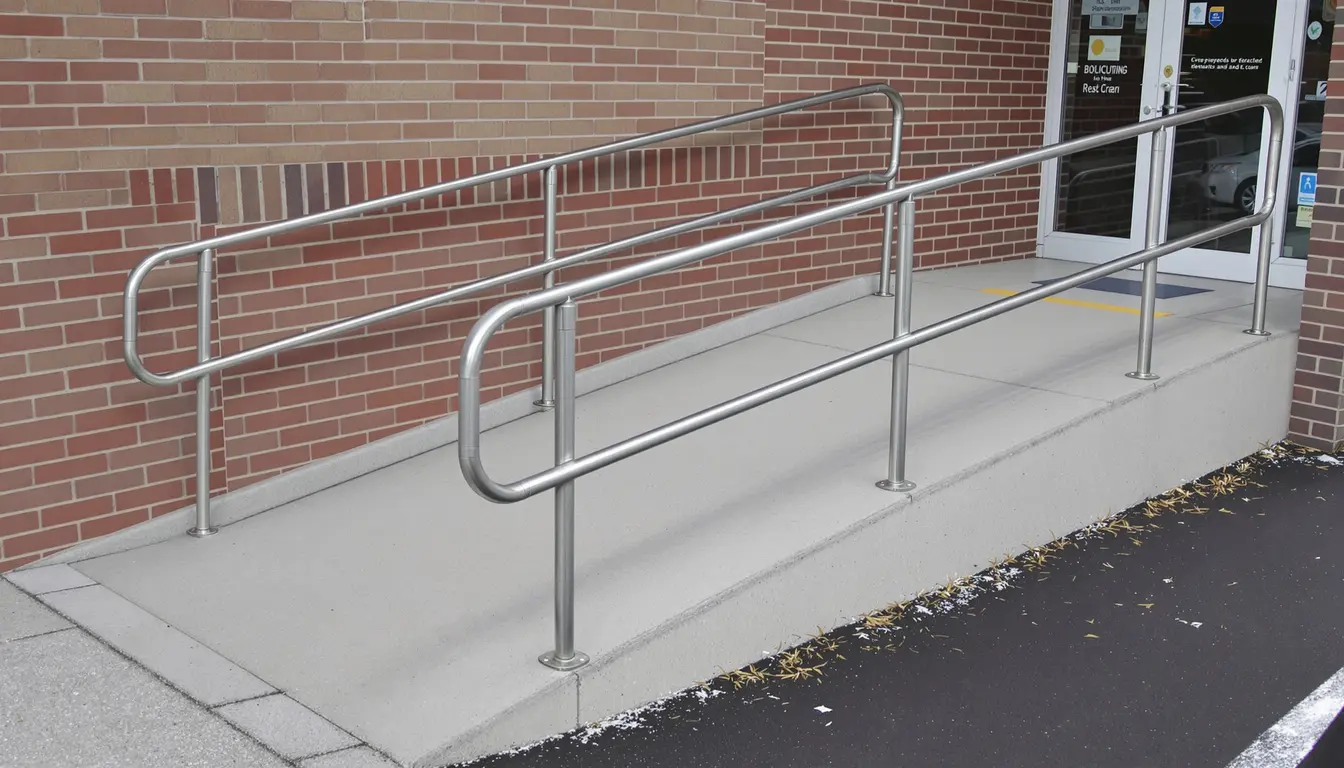
A live retail strip or a medical lot at St. Mary's cannot close, so we plan the phasing before the first saw cut — demolition, base, and pours staged so part of the lot keeps operating while another section cures, with the entrances sequenced so customers and deliveries still reach the building. On a medical site, the accessible stall count and building approach are brought into compliance as part of the rebuild.
That discipline is why property owners across Blue Springs and eastern Jackson County rate Ford 4.9 on Google across 29 reviews. Start from the parking lot service overview, see the commercial range in our gallery, or read how we handle retail and commercial sites.
Planning a commercial lot in Blue Springs?
From call to concrete — the fastest in KC.
We get the water off first, then pour a durable surface built for the corridor. Call (816) 721-1699 for a written estimate after a site visit, usually within 24 hours.
Building Concrete Parking Lots for Blue Springs conditions
Walk the site and check the fall
We map how water moves across the lot and where trucks load, then probe the Wymore clay subgrade before designing anything.
Design drainage, load, and code together
Grade, pavement sections, and accessible routes are designed to ACI 330 and Blue Springs standards before we submit for permit.
Build the base to a uniform k-value
Dig out unsuitable material, stabilize, and compact in lifts so the pavement has even support and the water drains through a sound base.
Pour 4,000-PSI air-entrained concrete
A durable mix built for freeze-thaw and oxidation, with thickness set by zone from the corridor's real axle loading.
Cut joints and set load transfer
Jointed pavement on a planned grid, with dowels and tie bars where the trucks run, then seal every cut.
Phase the work around the business
Stage the pours so the site keeps operating, bring accessible stalls into compliance, and stripe to close out.
Is your Blue Springs Concrete Parking Lots failing?
Water that sits after a rain
A gray, polished surface
Shoving and rutting off MO-7
Potholes on Old 40 big-box lots
Cracking over the clay
Faulted, stepped joints
The Ford difference on Blue Springs Concrete Parking Lots
Drainage built in first
Blue Springs lots fail at drainage before anything else. We design the fall into the pavement so water leaves instead of pooling.
A surface that resists graying
An air-entrained, sealed surface holds up to the oxidation and scaling that shows on a deferred-maintenance lot.
Designed for MO-7 trucks
MO-7 is a heavy arterial. We split light stalls from heavy zones and design the truck entries to the real load.
4.9 stars, 29 Google reviews
Blue Springs and eastern Jackson County property owners rate Ford 4.9 on Google across 29 reviews.
The projects behind our name
From your driveway to an Amazon warehouse — the same crew, the same standards, every project.
Taco Bell
New Construction
Overland Park, KS
Domino's Pizza
New Construction
Independence, MO
Freddy's
New Construction
Kansas City
Tidal Wave Car Wash
New Construction
Kansas City
Amazon
New Construction
Riverside, MO
Nortian Food Grade Protein Facility
New Construction
Springfield, MO
Start with a free Blue Springs estimate
Or call us directly: (816) 721-1699
Concrete Parking Lots in Blue Springs — FAQs
Why do Blue Springs lots fail at drainage so often?
What causes the graying on an older Blue Springs lot?
Why does MO-7 truck traffic matter for the design?
Should we repair or replace an aging Woods Chapel lot?
Can you build the lot in phases so we stay open?
Related concrete services in Blue Springs
Serving Blue Springs and the surrounding metro
Get your Blue Springs project moving
From call to concrete — the fastest in KC.
Get a free, no-obligation estimate for your concrete project. We serve the entire Kansas City metro — call (816) 721-1699 or request your estimate online.