
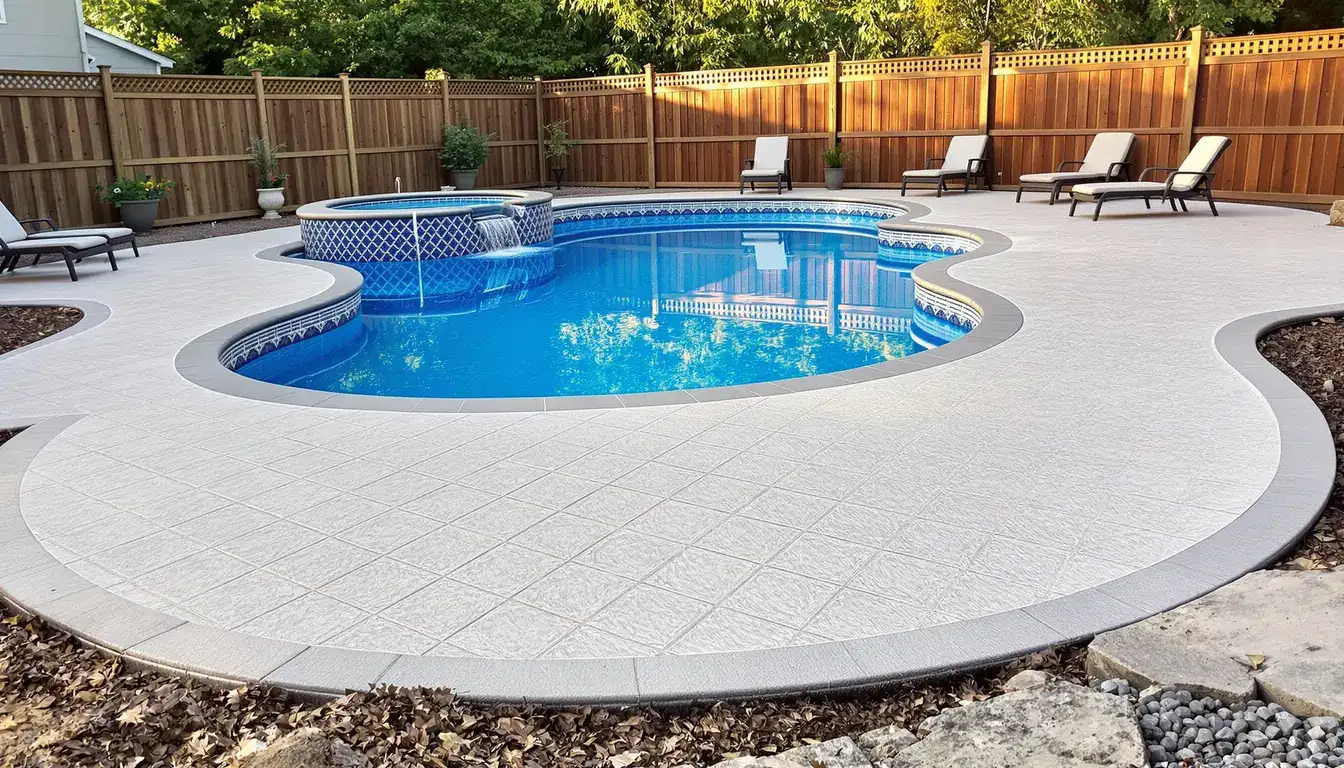
Concrete Pool Decks in Bonner Springs, KS
Pool decks built for Bonner Springs ground — the low Kansas River bottoms off K-32 where the water table sits close, and the higher ground rising toward K-7 above them. In this river town of amphitheaters and festival grounds, we relieve the water pushing up from below, pack a base that holds, and finish the deck to stay sure underfoot when it's wet.
Concrete Pool Decks in Bonner Springs
Slip-resistant concrete pool deck installation and resurfacing for residential and commercial swimming pools. Ford Concrete serves Bonner Springs, KS and the entire Kansas City metro with more than a decade of experience and a 5-star reputation.
Bonner Springs at a Glance
- Population
- 7,837
- State
- Kansas
- County
- Wyandotte County
- Schools
- Bonner Springs-Edwardsville (USD 204)
What makes a Bonner Springs pool deck last?
A Bonner Springs pool deck lasts when the water under it is relieved before it can lift the slab, the base is compacted to firm bearing, an isolation joint keeps the deck loose from the pool shell, and the surface is broomed for slip resistance. On the low ground near the Kansas River, the water table is the detail that decides the job.
Bonner Springs — the old river town of Tiblow, now a regional draw for the Azura Amphitheater and the Kansas Renaissance Festival grounds — spreads across the Kaw bottoms and the higher ground that rises toward K-7. A deck on the bottoms sits over shallow groundwater; a deck up the hill sits over firmer clay. We read which ground yours is on before we pour, because the two ask for different work below the slab.
Where the water table sits close
On the Kansas River bottoms, groundwater sits near the surface for much of the year, and after a wet stretch it rises further. Water in the ground under a slab pushes up — that is hydrostatic pressure — and left unaddressed it lifts a pool deck, cracks it along the panels, and floats the coping loose from the edge. The fix is not a heavier slab; it is giving that water somewhere to go before it ever reaches the underside of the deck. On a Wyandotte County bottom lot near Wyandotte County Park, we treat the water below the deck as the first design problem, not the last.
Relieving the pressure under the slab
We break the path water takes to the slab. Under a bottom-lot deck we lay a free-draining stone layer and run a perforated line out to daylight or a sump, so groundwater collects and leaves instead of building against the concrete. That relief keeps hydrostatic pressure off the underside of the deck and out from behind the pool shell. It is the principle a basement drain works on, put to work under a deck — move the water, and it stops moving the slab.
A base that stays firm on the bottoms
Bottom ground is soft ground, so the base has to make up the difference. We cut down to firm subgrade and rebuild the footing as compacted stone in stacked lifts, packing each layer so the deck rides on rock rather than river silt. Where a lot was filled to raise it out of the floodplain, that fill can keep settling for years, and we stage the base around any backfill consolidation so the deck only lands on ground that has stopped moving. Grading here answers to the Unified Government and KDHE, and Wyandotte County's freeze-thaw winters mean the finished slab gets sealed to keep water out of the surface.
Why the deck rides free of the pool
The pool shell is anchored in the ground while the deck above moves with heat and frost. Cast as one and the shell/deck interface tears on the first deep freeze, running a crack straight down the waterline. A full-perimeter isolation joint keeps deck and shell apart, each free to move — a small thing at pour time and the reason the edge holds for decades on bottom ground that never fully settles.
Sure footing when the deck is wet
A pool deck is walked on wet, with bare feet, by kids who run. We drag a broom finish across the slab so a wet deck keeps its grip and slip resistance instead of turning slick where the water sheets off. Where a homeowner wants the deck to read as stone or plank, a stamped concrete panel gets poured as a sample in the yard first, with enough texture left in the pattern that it stays safe underfoot. A stained finish can tune the color without giving up the tooth.
The edge, and sealing it for the winter
We form a cantilever coping over the bond beam at the pool's edge, set loose so it moves with the deck rather than fighting it, and rounded so it is easy on shins and knees. Then the whole deck gets sealed. An unsealed slab scales and flakes through Wyandotte County freeze-thaw, and a sealer put down in the wrong conditions can cloud — sealer blushing — so we apply it right and set a reseal schedule. If your existing deck is sound but tired, a bonded overlay can lay a fresh surface over it without a teardown.
Permits and the bonding grid
A new or rebuilt deck is permitted through the Unified Government of Wyandotte County, and the electrical sign-off has to confirm equipotential bonding — the grounding grid that ties the deck into one electrical potential around the water so the pool is safe to stand beside. We line that inspection up ahead of the pour so nothing gets covered before it clears. Bonner Springs decks share ground and drainage habits with our work in Kansas City, KS and Shawnee, and up the K-7 corridor in Leavenworth — and the standard our crew carries onto a commercial slab is the one it brings to a backyard.
Ready to build your Bonner Springs pool deck?
From call to concrete — the fastest in KC.
In Bonner Springs, the water table sets the plan — relieve what pushes up from below, pack the base to firm bearing, and seal it for the Wyandotte County winters. We read your lot, tell you straight what the ground needs, and put a real number on paper. Call (816) 721-1699 and we'll come look at the lot, usually within a day.
How Bonner Springs soil shapes your Concrete Pool Decks
Read the ground and the water
We check whether your Bonner Springs lot sits on the river bottoms or the uplands and find where the water table stands.
Plan the drainage below
On bottom ground we design a draining stone layer and a perforated line so groundwater leaves before it reaches the slab.
Cut and compact the base
We dig to firm subgrade and stack a compacted stone footing in lifts, staging around any fill still settling.
Break the deck from the shell
We run a full-perimeter isolation joint between deck and pool so the two move on their own lines.
Place, joint, and finish
We place 4,000-PSI concrete, saw the contraction joints on plan, and lay your chosen broom, stamped, or stained surface.
Form the coping and cure
We set the cantilever coping over the bond beam, kept loose to the deck, and cure the pour slow for strength.
Bond, seal, and walk it
We call in the equipotential bonding inspection, seal the slab against freeze-thaw, and walk the job with you.
What failing Concrete Pool Decks looks like in Bonner Springs
The deck lifting after a wet spell
A slab that rises or cracks along the panels after heavy rain is groundwater pushing up from below — hydrostatic pressure with nowhere to go.
Water standing under the coping
Damp or standing water at the pool edge means pressure is building behind the shell instead of being drained away from it.
Panels sitting at different heights
Deck sections out of level mean the base settled unevenly, common where a bottom lot was filled and the fill kept consolidating.
A crack tracing the waterline
A split running the coping line is a deck cast tight to the shell with no isolation joint — a freeze pried the two apart.
Surface flaking off the top
Peeling flakes off the top are freeze-thaw scaling, traced on the bottoms to a slab that was never sealed.
A slick surface when wet
A surface that slides under water was troweled too tight or worn smooth of its broom lines — bad footing at a pool edge.
How Ford earns Bonner Springs work
Water relieved from below
The Bonner Springs bottoms sit over shallow groundwater. We lay a draining stone layer and a perforated line so water leaves instead of lifting the slab.
A base packed on soft ground
Bottom ground is soft, so we rebuild the footing as compacted stone in lifts and stage around older fill, so the deck rides on firm bearing.
Sealed for a Wyandotte winter
Freeze-thaw scales an unsealed deck. We seal the slab, apply it in the right conditions to avoid blushing, and set a reseal schedule.
One read of your lot
We tell you whether your deck sits on the bottoms or the uplands and build the base the ground actually needs, with a written price up front.
Where our Concrete Pool Decks crews have delivered
From your driveway to an Amazon warehouse — the same crew, the same standards, every project.
Taco Bell
New Construction
Overland Park, KS
Domino's Pizza
New Construction
Independence, MO
Freddy's
New Construction
Kansas City
Tidal Wave Car Wash
New Construction
Kansas City
Amazon
New Construction
Riverside, MO
Nortian Food Grade Protein Facility
New Construction
Springfield, MO
Get your free Concrete Pool Decks estimate in Bonner Springs
Or call us directly: (816) 721-1699
Concrete Pool Decks in Bonner Springs — FAQs
Why does the water table matter for a Bonner Springs pool deck?
My yard is up the hill toward K-7 — do I still need under-slab drainage?
Why can't the deck be poured against the pool?
Is the deck safe to walk on wet?
Can you reseal or resurface my existing Bonner Springs deck?
Do I need a permit for a pool deck in Bonner Springs?
More Bonner Springs concrete services
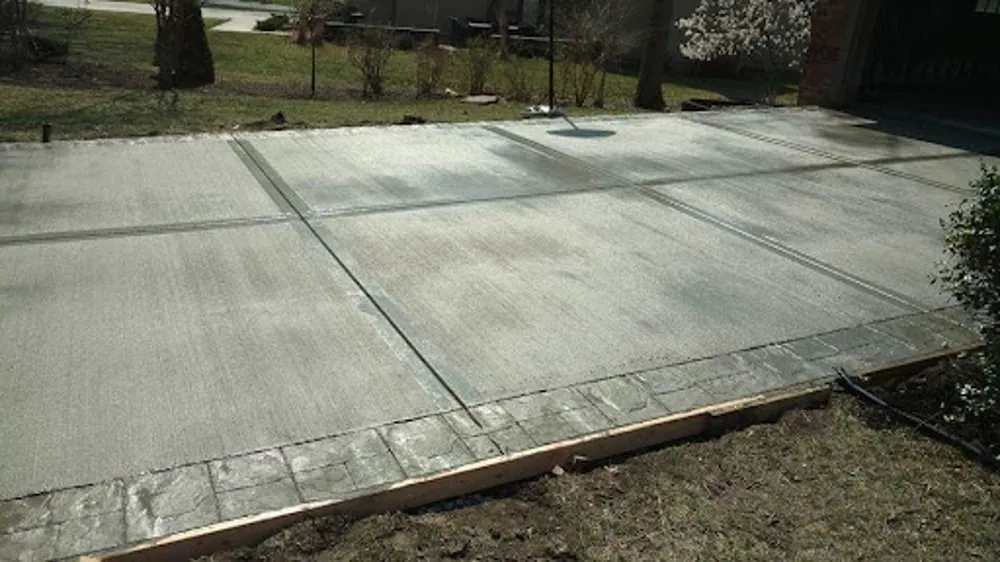
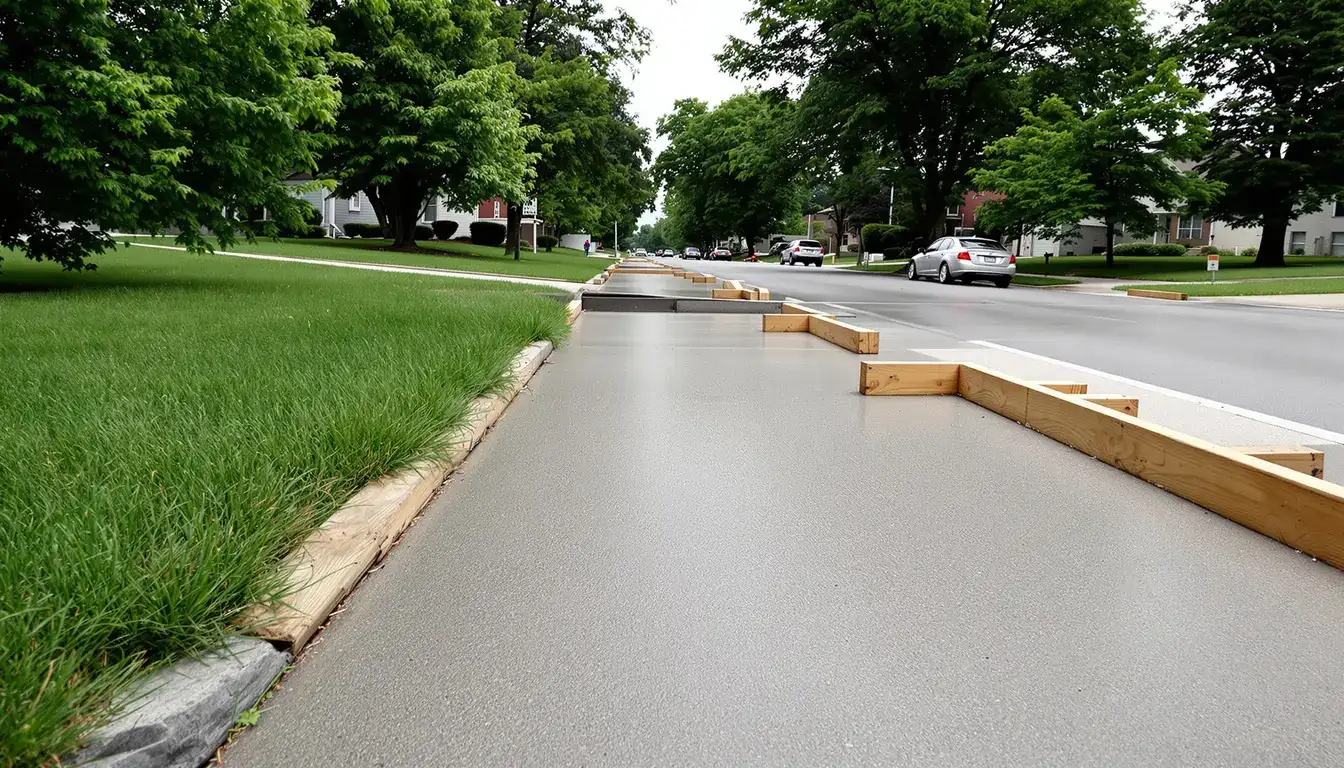
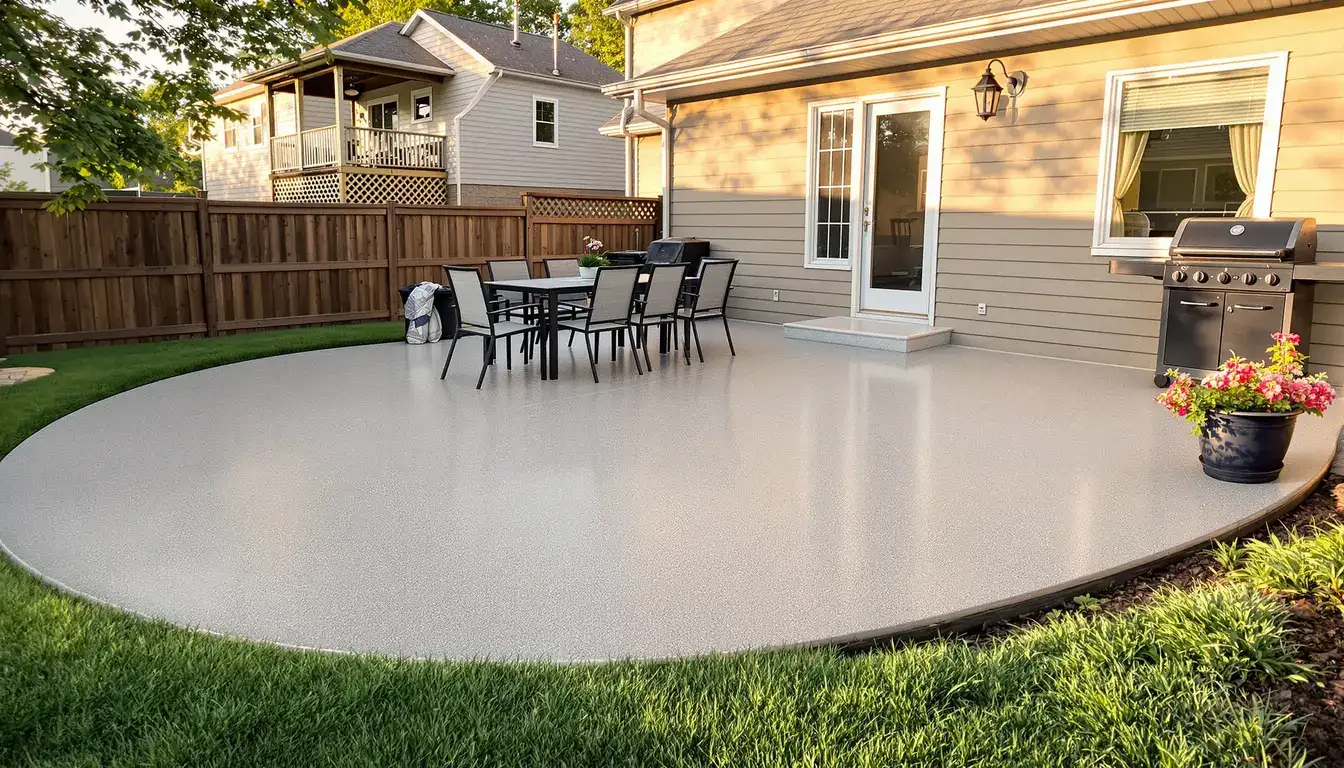
Concrete Pool Decks across the Wyandotte County area
Ready to pour in Bonner Springs?
From call to concrete — the fastest in KC.
Get a free, no-obligation estimate for your concrete project. We serve the entire Kansas City metro — call (816) 721-1699 or request your estimate online.