
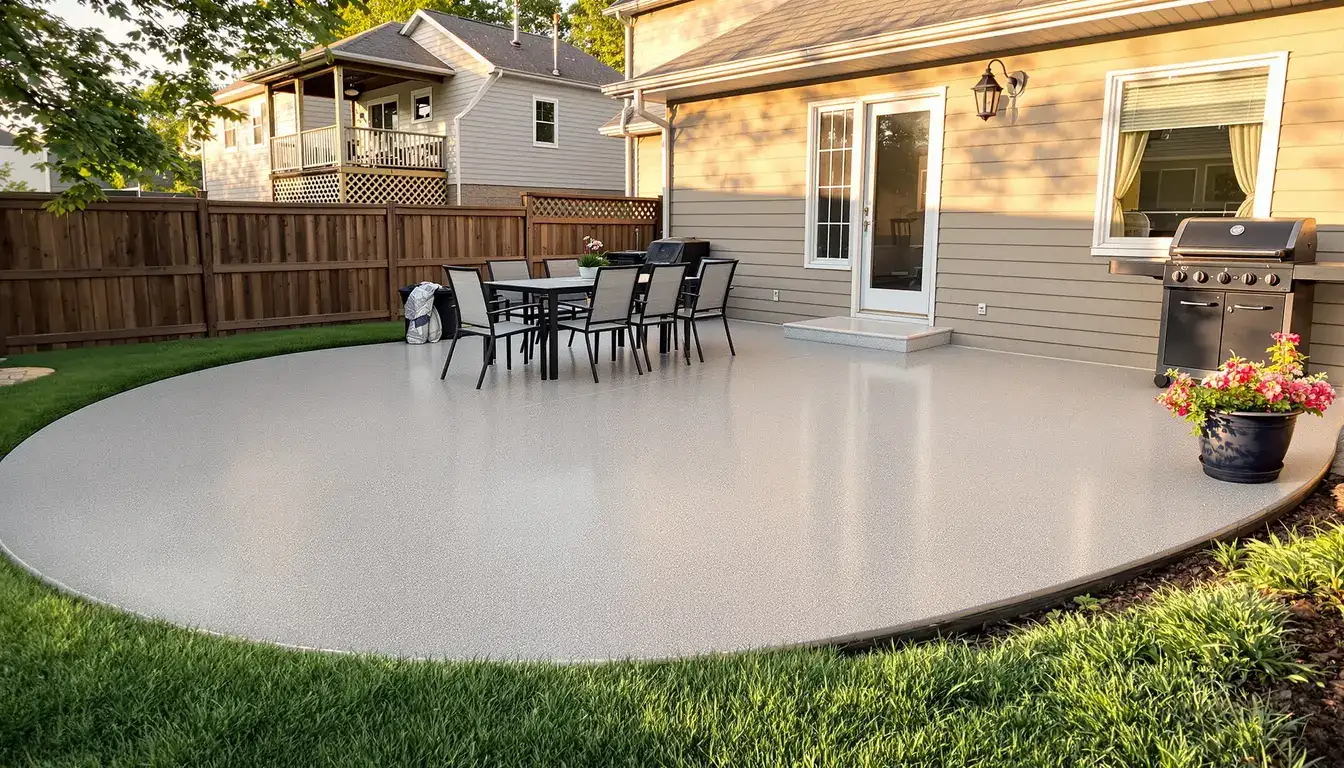
Concrete Patios & Outdoor Spaces in Grain Valley, MO
Concrete patios for Grain Valley — from a new pour behind a walkout in Rosewood or Sni-A-Bar Farms to a rebuilt slab off Main Street, built to sit still on Jackson County clay
Concrete Patios & Outdoor Spaces in Grain Valley
Custom concrete patio design and installation for backyards, outdoor living areas, and commercial courtyards. Ford Concrete serves Grain Valley, MO and the entire Kansas City metro with more than a decade of experience and a 5-star reputation.
Grain Valley at a Glance
- Population
- 16,450
- State
- Missouri
- County
- Jackson County
- Schools
- Grain Valley R-V School District
A new patio's two weak points in Grain Valley
Grain Valley grew fast, and most patios we pour here go in behind houses only a few years old — in Rosewood, Greystone, and Sni-A-Bar Farms. A slab poured against a brand-new home sits on the loosest ground on the lot: the fresh backfill tamped in around the foundation. Two spots give it trouble — where it meets the house, and its inside corners.
The durable build is a full-depth isolation joint where the slab meets the foundation, a compacted base carried down past the loose backfill to firm ground, and control joints run through every inside corner — so the patio moves on its own instead of dragging on a settling new house. Skip those and a fresh slab cracks at the door and splits from its corners inside a couple of winters. Get them right on a concrete patio and it stays flat while the yard around it settles in.
Building past the builder's backfill
Under Grain Valley, like most of eastern Jackson County, the ground is Wymore-series clay — it swells when it takes on water and shrinks back as it dries, and a slab riding straight on it moves with it. On a new lot there's a second problem stacked on the first: the backfill dropped around the foundation and over the utility trenches hasn't had time to settle, so it keeps compressing under any load for a year or more. The same Wymore clay runs under our patios west in Blue Springs and Independence, and out along I-70 in Oak Grove.
We build for both. On a new lot the loose fill is stripped down to ground that holds — which along the foundation often means digging out the backfill wedge a foot or two past where the slab will end — and a compacted base goes back in thin lifts, each one tamped before the next. A restraint point around the perimeter locks the edges so they can't curl or drift, and the slab is poured at 4,000 PSI with air entrainment to take Missouri freeze-thaw. That base is the difference between a patio that sits still and one that follows the clay down.
Where a Grain Valley patio wants to crack
Concrete moves, and on clay it moves more. The job is to decide where it cracks instead of letting the ground pick. Two details do most of that work on a new-build patio. First, the connection to the house: a slab cast tight against the foundation drags on the wall every time the clay lifts it, which opens a gap and pulls the corner apart. A clean isolation joint lets the two move independently. Second, the inside corners — a patio that wraps a walkout or an L-shaped back wall has a re-entrant corner, and stress concentrates there and runs a crack straight off the point unless a control joint is aimed through it.
Across the field we saw contraction joint lines, cut a quarter of the slab's depth deep on a tight window after the pour, so the concrete opens along a straight planned line instead of a ragged one. As a rule those joints land no more than about two to three times the slab thickness apart in feet — a four-inch patio gets one every eight to twelve feet — so no panel is big enough to crack itself. Fiber or rebar in the mix ties the panels together across the Wymore clay's seasonal swing.
Keeping water off clay that swells
Wymore clay does its worst when it stays wet, so the patio has to shed water fast and keep it away from the foundation it sits next to. Every slab we pour gets positive drainage built in — a fall of about a quarter-inch per foot away from the house — so rain runs to the yard instead of pooling on the pad or draining back toward the basement wall.
The other half is the door. On a walkout or a back slider the patio has to sit low enough that water can't reach the threshold, so we set the finished threshold elevation a safe step below the sill and grade away from it. On the flatter lots up near Armstrong Park we'll cut a shallow swale or tie a downspout into the grading to give the runoff somewhere to go. Standing water on a patio isn't only a nuisance here — it's the clay's fuel, and getting the fall right is what starves it.
Finishing a patio to match a newer neighborhood
Most of these are outdoor rooms — a place for a table and a grill behind a new house — so the finish matters as much as the slab. The everyday call is a broom vs stamped finish decision: a broom finish gives a clean, slip-steady surface that reads well against newer brick and siding, while stamped concrete can pattern the pad to look like stone or plank for a higher-end look. On a bigger or wraparound pour we lay the control lines out as a joint pattern continuity so the joints look designed rather than dropped in wherever.
Before any color or stamp goes down we pour a small mockup so you approve the exact texture and shade in your own light — no surprises on pour day. Newer Grain Valley subdivisions and the Main Street redevelopment carry appearance expectations, and a patio laid out and finished with that in mind holds its look and its value.
Older slabs near Main Street
Not every Grain Valley patio is new. The older stock around Main Street and the original town core includes plenty of thin, jointless slabs poured before drainage under a patio was standard, and those are scaling, cracking, or lifting now. The question on one of those is resurface or rebuild, and it comes down to what's under the wear. If the slab is solid underfoot and only the surface has dulled or flaked, a bonded overlay can give it a fresh face. If it rocks, pumps at the cracks, or has heaved a panel into a trip edge, the base is gone and the slab needs to come out and be rebuilt.
The city is putting money into its own downtown concrete under the Overlay District plan, and the call is the same on a public slab as a backyard one: rebuild the base rather than skin a failing one. When we replace an old patio we put back the compacted base, the drainage layer, and the joints the first pour skipped, so the replacement outlasts what it replaced.
Permits and the Downtown Overlay in Grain Valley
Most patios in Grain Valley need a permit, and the City of Grain Valley issues it; an attached or roofed patio draws a closer look than an open slab, and setbacks and lot coverage get checked against your plat. Work inside the Downtown Overlay District can carry extra appearance and material review under the city's standards, so it's worth having the paperwork handled up front. We work out what applies, file it, and carry the job through inspection.
Grain Valley sits in Jackson County, so the soil and frost rules are Missouri's — MoDNR guidance and a 36-inch frost depth we carry the compacted base and footings below. Sitting right on I-70 makes the town a short run for us to walk your lot, quote the work, and pour it. We hand you a written number before anything starts.
Building a new patio in Grain Valley?
From call to concrete — the fastest in KC.
From a fresh pour behind a walkout in Greystone or Sni-A-Bar Farms to a rebuilt slab off Main Street, a patio on Jackson County clay lasts only when it's isolated from the house and set on a base built past the backfill. Ford builds it that way, does the work, and hands you a written number. Call (816) 721-1699 to set up a site visit.
The Grain Valley Concrete Patios & Outdoor Spaces process, start to finish
Walk the lot and read the ground
We look at where the patio ties to the house and how the yard falls, and check how much of your Grain Valley lot is settled ground versus fresh foundation backfill.
Lay out the shape and the joints
We set the footprint, mark the door threshold, and plan the isolation break at the house and the control lines through every inside corner before a shovel moves.
Dig to firm ground
We strip the loose fill and topsoil down to ground that holds, going past the backfill around the foundation so the base doesn't sit on soil that's still settling.
Build the base in lifts
We put back a compacted base in thin layers, each one tamped, over a free-draining layer, so water moves and the pad has firm support across the clay.
Form, restrain, and place
We set the forms and the perimeter restraint, grade the pitch away from the house, and place a 4,000-PSI air-entrained slab in the broom or stamped finish you approved.
Cut the joints on time
We saw the contraction joints on a tight window after the pour, a quarter of the slab deep, so the concrete opens along planned lines instead of the clay choosing.
Seal, cure, and walk it
We finish the cure, seal the surface, and walk the patio with you, going over how the base and joints keep it flat as the lot settles.
Is your Grain Valley Concrete Patios & Outdoor Spaces failing?
A gap opening where the patio meets the house
A widening separation at the foundation means the slab was cast tight to the wall with no isolation break, so its own movement drags at the house every wet season.
A crack running off an inside corner
A crack that starts at an inside corner where the patio wraps a walkout is stress finding the weak point, a sign no control joint was aimed through it.
One corner of a newer slab dropped
A patio only a few years old that's tilted or settled at a corner is riding on foundation backfill that never got compacted, still consolidating under the load.
Water pooling against the foundation
Rain that sits on the pad or drains back toward the basement wall means the fall was never built in, and standing water is what feeds the Wymore clay underneath.
Panels lifting unevenly after winter
Sections sitting proud of their neighbors after a freeze are the clay swelling unevenly under a slab with too little base to spread the movement.
A flaking, scaling surface
Concrete shedding in thin sheets across the top is a slab poured without an air-entrained mix, losing its skin to freeze-thaw.
The Ford difference on Grain Valley Concrete Patios & Outdoor Spaces
Isolated from the house, built to stay
We pour your Grain Valley patio with a clean break from the foundation and a base carried past the loose backfill, so a new slab doesn't crack at the door or pull from its corners.
A short run off I-70
Grain Valley sits right on I-70 between Blue Springs and Oak Grove, an easy trip for us to walk your lot, pull the permit, and get the patio poured.
Commercial flatwork at home
The same crew that screeds flat, tight commercial floors pours your Grain Valley patio to the same standard, from the base up.
29 reviews, 4.9 stars
Homeowners across the Kansas City metro have kept Ford Concrete at a 4.9-star average over 29 Google reviews.
Where our Concrete Patios & Outdoor Spaces crews have delivered
From your driveway to an Amazon warehouse — the same crew, the same standards, every project.
Taco Bell
New Construction
Overland Park, KS
Domino's Pizza
New Construction
Independence, MO
Freddy's
New Construction
Kansas City
Tidal Wave Car Wash
New Construction
Kansas City
Amazon
New Construction
Riverside, MO
Nortian Food Grade Protein Facility
New Construction
Springfield, MO
Get your free Concrete Patios & Outdoor Spaces estimate in Grain Valley
Or call us directly: (816) 721-1699
Concrete Patios & Outdoor Spaces in Grain Valley — FAQs
My house is brand new — why does the patio need special care?
Why does concrete crack where the patio meets the house?
What soil is under Grain Valley, and why does it matter?
Do I need a permit for a patio in Grain Valley?
How long does a patio take to build here?
How do I keep a new patio from scaling in winter?
Other concrete work we do in Grain Valley
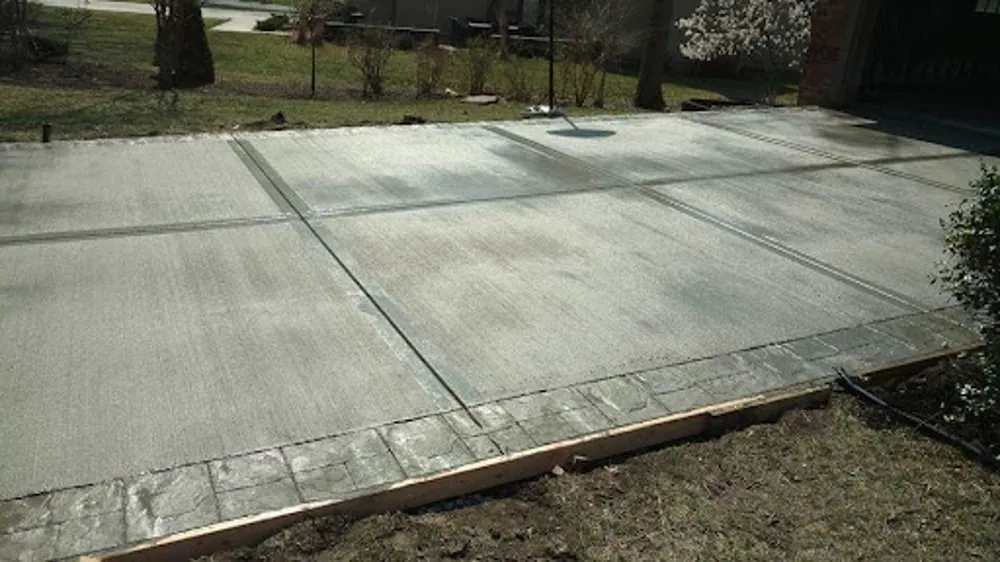
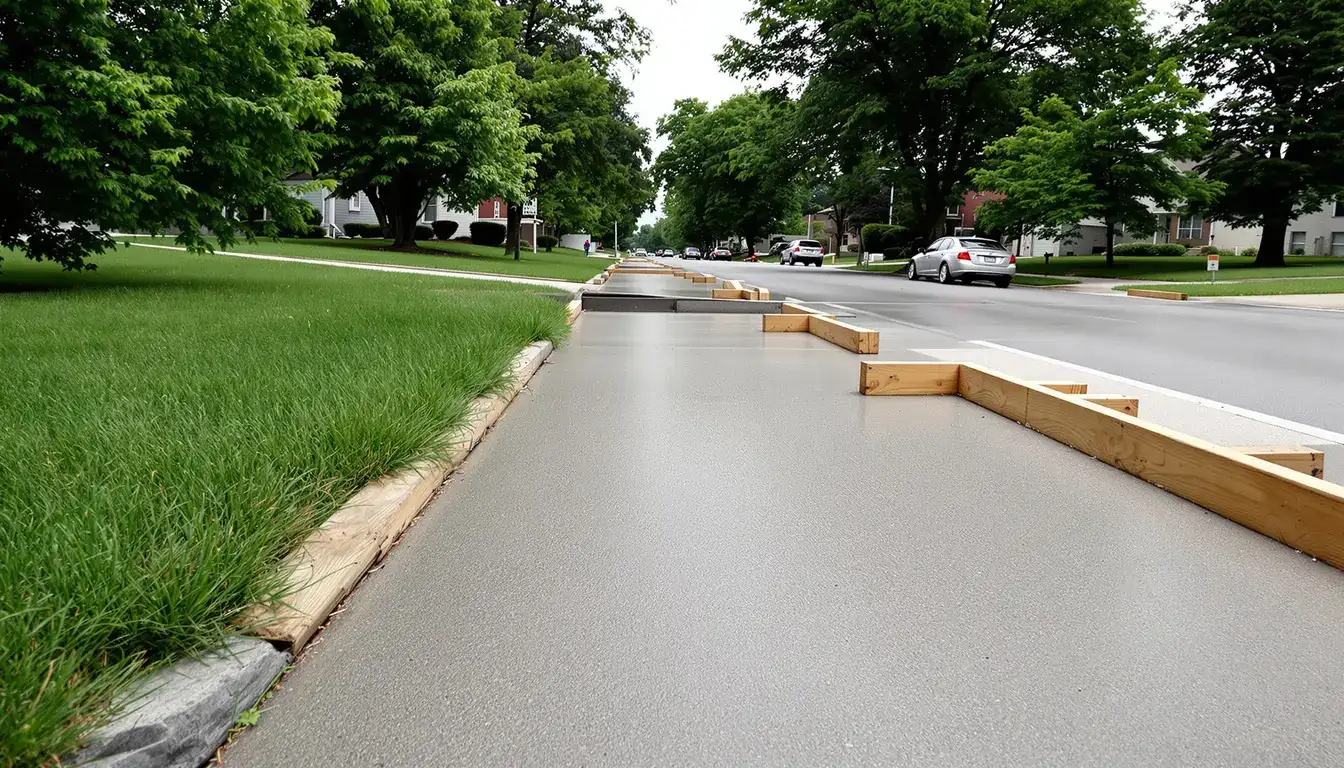
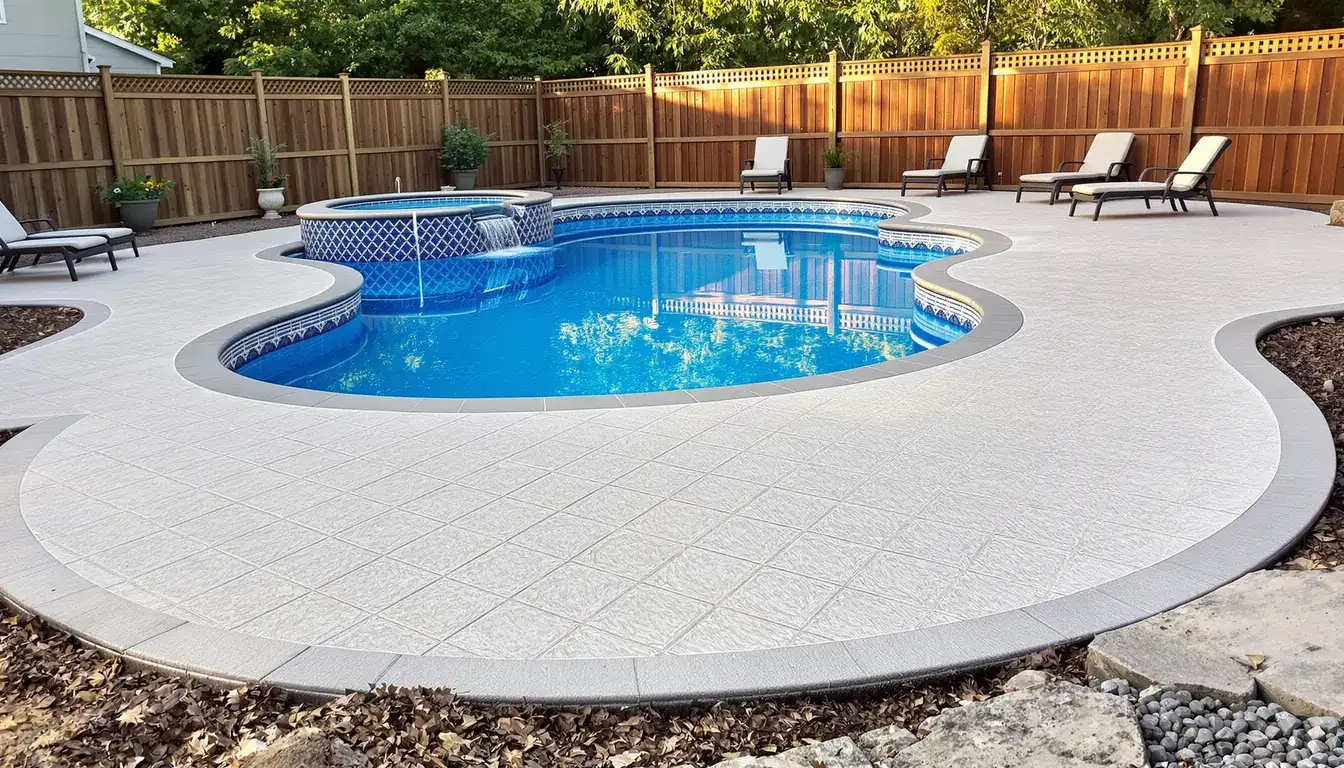
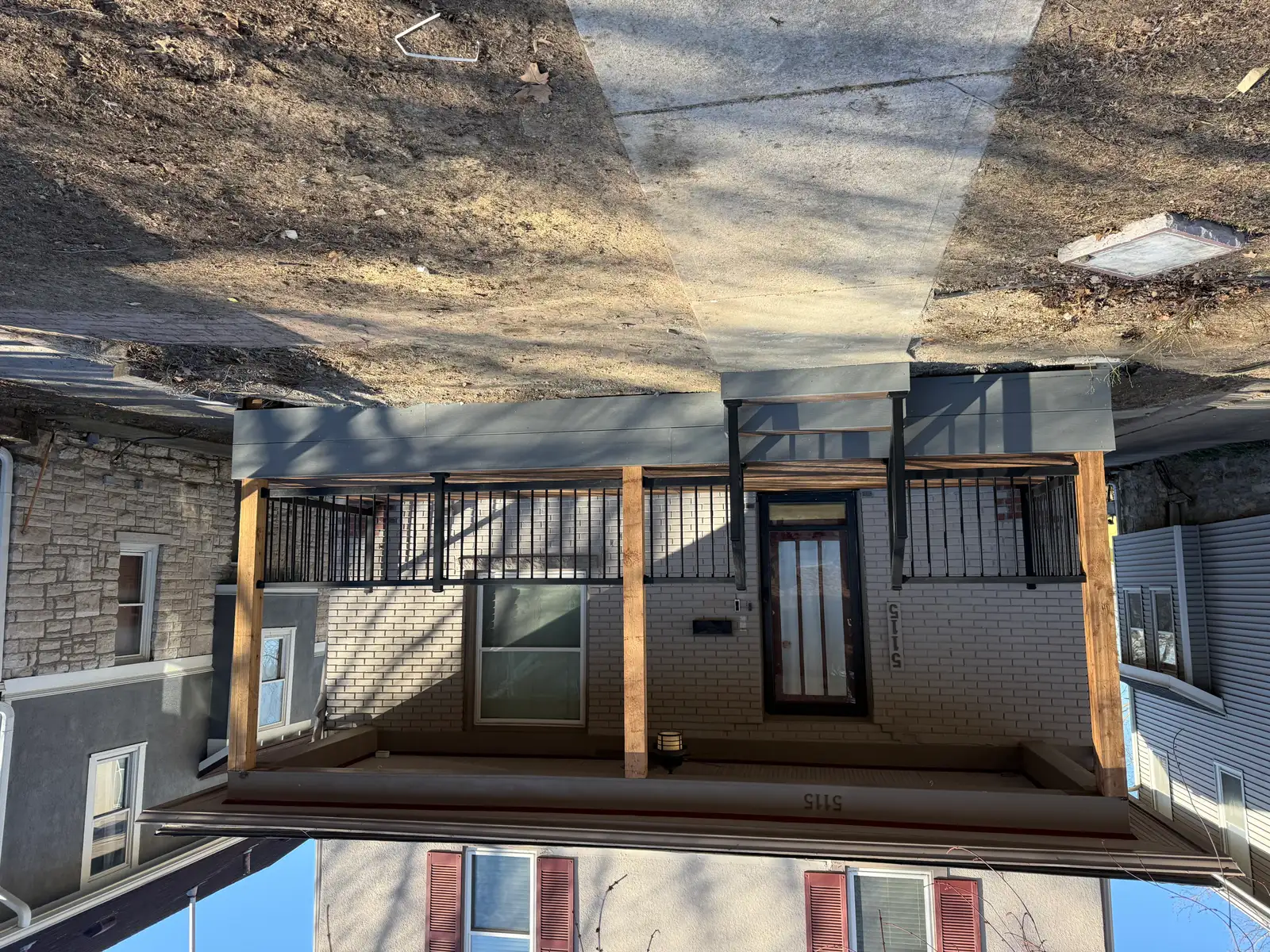
Concrete Patios & Outdoor Spaces across the Jackson County area
Ready to pour in Grain Valley?
From call to concrete — the fastest in KC.
Get a free, no-obligation estimate for your concrete project. We serve the entire Kansas City metro — call (816) 721-1699 or request your estimate online.