
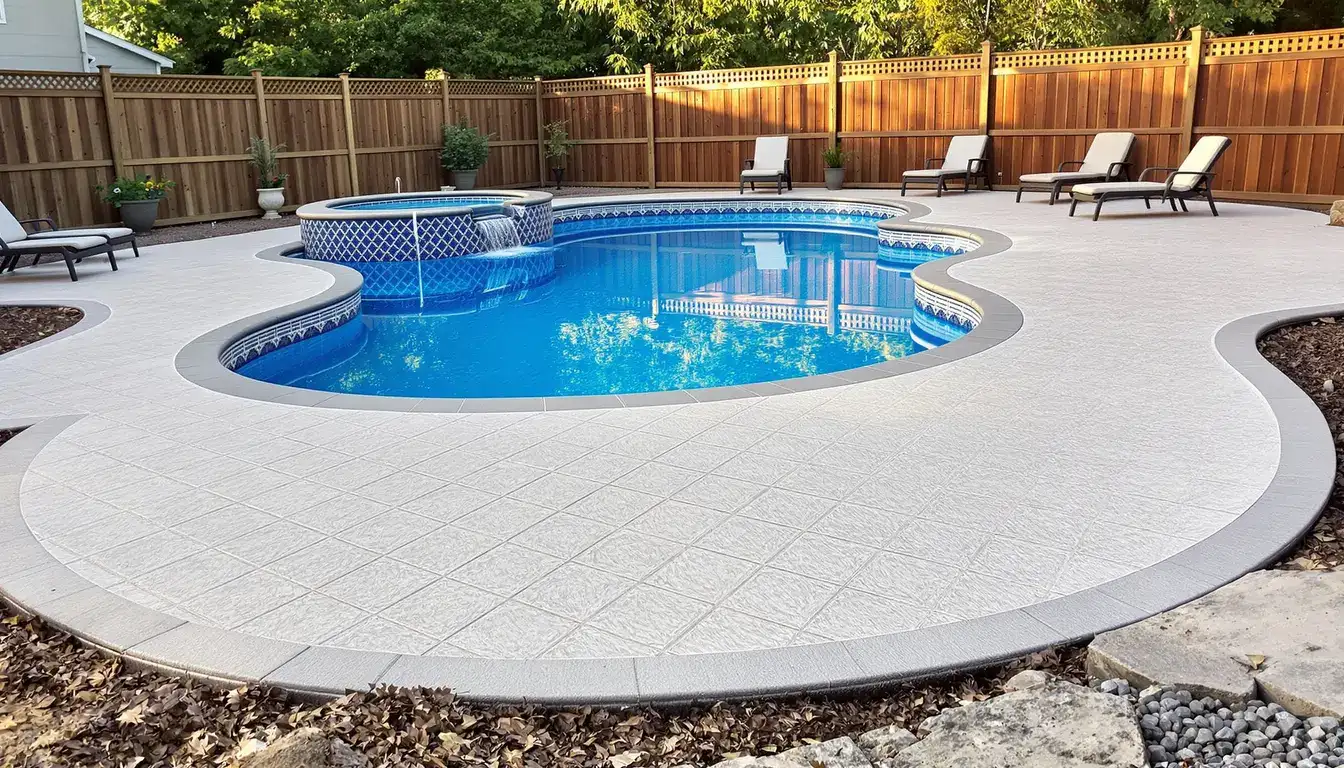
Concrete Pool Decks in Buckner, MO
Pool decks built for Buckner ground — the Wymore clay on the upland above the Missouri River bottoms, out where the Fort Osage country meets MO-24. On the tight-knit lots near Heisler Park, we isolate the deck from everything it touches — the pool, the house, the old patio — so the clay's movement never has a rigid place to crack.
Concrete Pool Decks in Buckner
Slip-resistant concrete pool deck installation and resurfacing for residential and commercial swimming pools. Ford Concrete serves Buckner, MO and the entire Kansas City metro with more than a decade of experience and a 5-star reputation.
Buckner at a Glance
- Population
- 3,014
- State
- Missouri
- County
- Jackson County
- Schools
- Fort Osage R-I School District
What makes a Buckner pool deck last?
A Buckner pool deck lasts when it is free to move — separated from the pool shell, the house foundation, and any existing flatwork by an isolation joint at every interface, poured on a compacted base over the Wymore clay and broomed to grip wet. In a small town where a pool often goes in beside an older house and an existing patio, the connections are where a deck fails, so we cut it loose from all of them.
Buckner sits on the Jackson County upland above the Missouri River bottoms near Sibley and Fort Osage. The clay here moves with the seasons like it does across the county — and a deck tied rigidly to a foundation or an old sidewalk has no give when it does.
A deck has to ride free of more than the pool
Most guidance talks about separating a deck from the pool shell, and that matters — but a Buckner backyard usually has more going on. The new deck often meets the house foundation on one side, a pre-existing patio or stoop on another, and an old sidewalk running to the gate. Each of those is held by its own footing and moves at its own rate. Tie the new deck rigidly to any of them and the Wymore clay's seasonal push has a hard corner to crack against.
So we walk the yard and find every place the new deck will touch something else. Each one becomes a planned, flexible break — a restraint point we deliberately relieve instead of leaving to fail. It is the difference between a deck that moves quietly with the ground and one that splits at the first cold snap.
The interface checklist for a Buckner lot
Before we pour, we build a short map of every interface and how it gets isolated. It is simple, and it is the part that saves the deck:
- Deck to pool shell — a flexible isolation joint at the shell/deck interface, so the deck and the water-supported shell move apart cleanly.
- Deck to house foundation — an isolation joint against the foundation wall, never a rigid bond, so the deck can rise and fall with the clay.
- Deck to old patio or stoop — a joint at the seam, so the two slabs are not fighting each other.
- Deck to sidewalk or driveway — a joint where they meet, keeping each slab independent.
On the tight lots near the Fort Osage schools, that four-point read is the plan.
A base packed over the Wymore clay
Isolation keeps the deck loose; the base keeps it flat. We strip topsoil and soft ground down to firm Jackson County clay, then rebuild a compacted crushed-stone layer in lifts, packed so it bears the slab evenly. On older Buckner lots near the MO-24 corridor, we watch for buried debris or soft fill and clean it out rather than pour over it.
The slab goes down at four inches on a 4,000 PSI mix with steel tied in, thickened at the edges. A firm base under a stiff, reinforced slab is what lets a deck ride the clay's swell-and-shrink without breaking.
Moving the water off the clay
The Wymore clay swells wet and shrinks dry, so keeping water moving is half the job. We slope the deck a quarter-inch per foot away from the pool and the house, and route roof and deck runoff to daylight past the slab. On a Buckner lot that sits toward the lower ground near the river bottoms, we pay extra attention to where water wants to collect and relieve it with a drain line in stone.
Steadier moisture under the deck means less movement in the clay, and a slab that holds its line through Missouri's wet springs and dry late summers.
Backfill, coping, and the pool edge
When a pool shell is set, the ground dug out around it gets replaced as backfill — and that band of disturbed ground is the softest on the lot. If it is not compacted, it settles and drags the coping down. We handle backfill consolidation in lifts around the shell so the pool edge stays put.
Then we detail the coping to shed water back toward the deck drains, and where the design calls for it we pour cantilever coping as a continuous edge over the shell's bond beam. A tight, well-drained edge is what keeps the winter out of the seam.
A finish that grips wet
A Buckner pool deck is walked barefoot and wet, so we broom it for slip resistance that holds on a wet deck. Families who want a decorative look can step up to a stamped or stained finish with the same grip once sealed.
We seal against Buckner's freeze-thaw winters, and for a saltwater pool we choose a sealer rated for the extra salt exposure, applied dry so there is no sealer blushing. See real metro decks in our project gallery.
Permits, bonding, and a straight answer
Pool and deck work in Buckner runs through the city permit process, and the deck ties into the pool's equipotential bonding grid for a safe wet surface. We build to that and coordinate the inspection.
Ford Concrete pours backyard decks and commercial slabs across the metro, so isolating a deck from everything it touches is standard work — the same care we bring to decks in Independence, Grain Valley, and Blue Springs. We rate 4.9 stars across 29 reviews around Kansas City.
Ready to build your Buckner pool deck?
From call to concrete — the fastest in KC.
In Buckner, the connections set the plan — isolate the deck from the pool, the house, and the old flatwork so the Wymore clay has nothing rigid to crack. We read your lot, tell you straight what the ground needs, and put a real number on paper. Call (816) 721-1699 to book a site visit, usually within a day.
What Buckner Concrete Pool Decks projects require
Walk the yard and map interfaces
We find every place the new deck will touch the pool, the house, and old flatwork on your Buckner lot.
Plan the isolation and drainage
We set an isolation joint at each interface and design the deck slope to carry water off the clay.
Strip and compact the base
We cut to firm Jackson County clay, clear soft fill, and pack a stone base in lifts across the footprint.
Form, isolate, and reinforce
We form the deck, set the flexible joints at every interface, and tie in steel and the bonding grid.
Pour and finish
We place the 4,000 PSI slab, broom it for wet grip, and detail the coping to shed water.
Cut joints and seal
We saw contraction joints on plan, then seal against freeze-thaw and a saltwater pool's salt.
Inspect and walk it with you
We coordinate the Buckner inspection and walk the finished deck with you before we leave.
Signs your Buckner Concrete Pool Decks needs attention
A crack at the house wall
A crack where the deck meets the foundation means the deck was tied rigidly to the house instead of isolated with a joint.
A split at the old patio
A break along the seam with an existing patio or stoop shows the two slabs were bonded and are now fighting each other.
A crack at the pool edge
A crack where the deck meets the shell is the classic missing isolation joint at the shell/deck interface.
Coping pulling loose
Coping that settles or gaps in the first season sits over backfill that was never consolidated in lifts around the shell.
A soft, dropping section
A deck area that sinks usually sits over uncompacted fill or buried debris that was poured over instead of cleaned out.
Standing water on the deck
Water that ponds after rain means the deck slopes toward the slab, soaking the clay and working the concrete.
What sets Ford apart in Buckner
Isolated from everything it touches
The deck, the pool, the house, and the old patio all move differently. We joint every interface so the clay can't crack the seams.
A base over firm clay
We strip to firm Jackson County clay and rebuild a compacted stone base, clearing the buried fill common on older Buckner lots.
Water kept moving
We slope and drain the deck away from the pool and house so the Wymore clay stays steady and the slab holds flat.
Sealed for the KC winter
A broom finish for grip, sealed against freeze-thaw and a saltwater pool's salt exposure, so the Buckner deck holds up.
Proof we pour at any scale
From your driveway to an Amazon warehouse — the same crew, the same standards, every project.
Taco Bell
New Construction
Overland Park, KS
Domino's Pizza
New Construction
Independence, MO
Freddy's
New Construction
Kansas City
Tidal Wave Car Wash
New Construction
Kansas City
Amazon
New Construction
Riverside, MO
Nortian Food Grade Protein Facility
New Construction
Springfield, MO
Price your Buckner Concrete Pool Decks project
Or call us directly: (816) 721-1699
Concrete Pool Decks in Buckner — FAQs
Why does the deck have to be separated from my house and old patio?
What is the interface checklist you use?
Does Buckner's ground move much?
Can you build a pool deck next to my existing patio?
Do I need a permit for a pool deck in Buckner?
How long does a Buckner pool deck take?
Other concrete work we do in Buckner
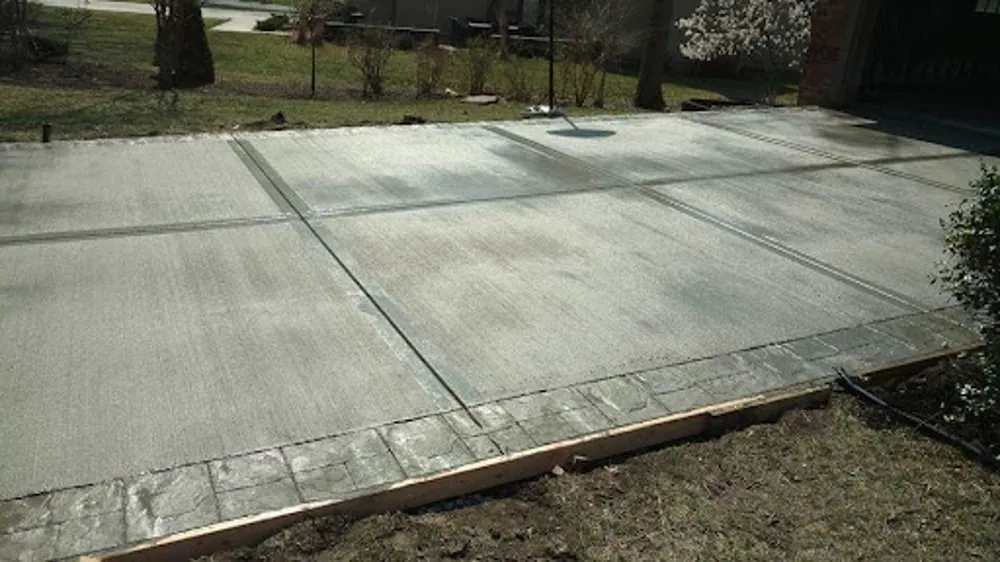
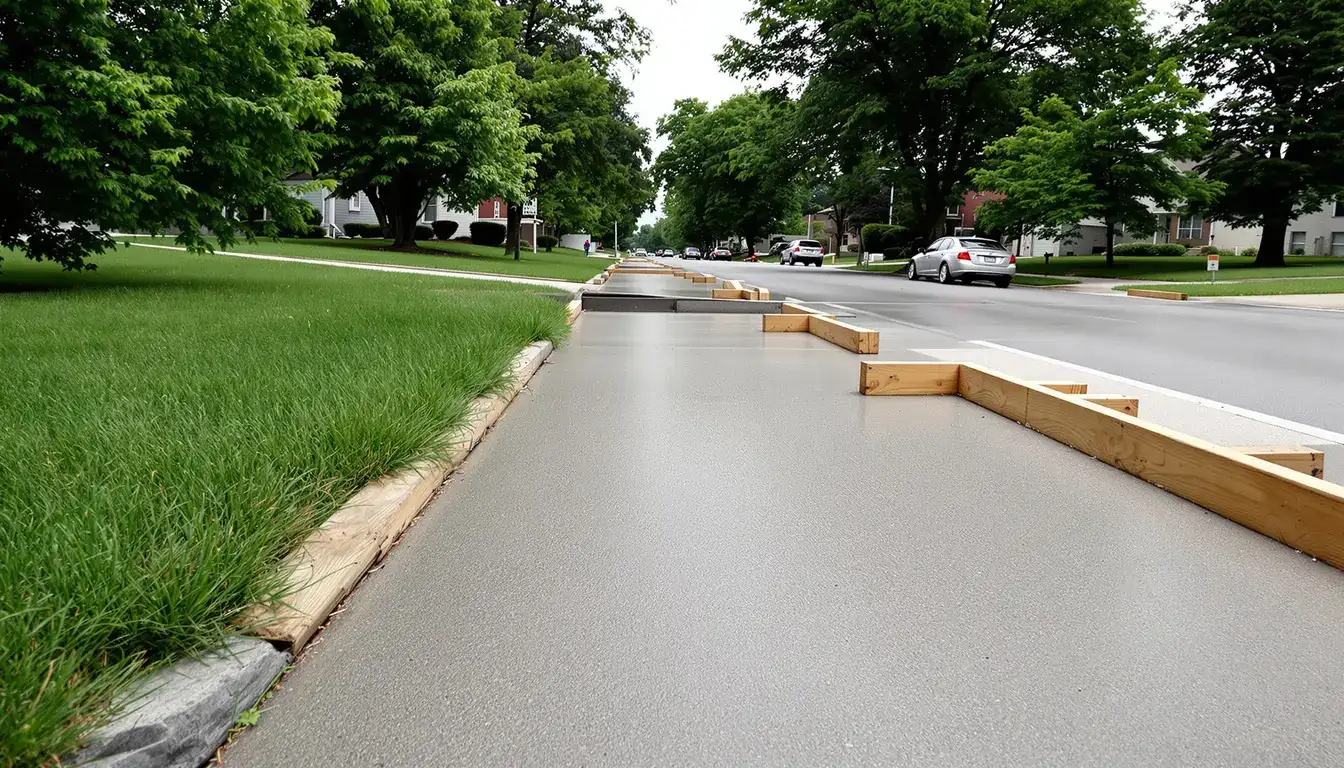
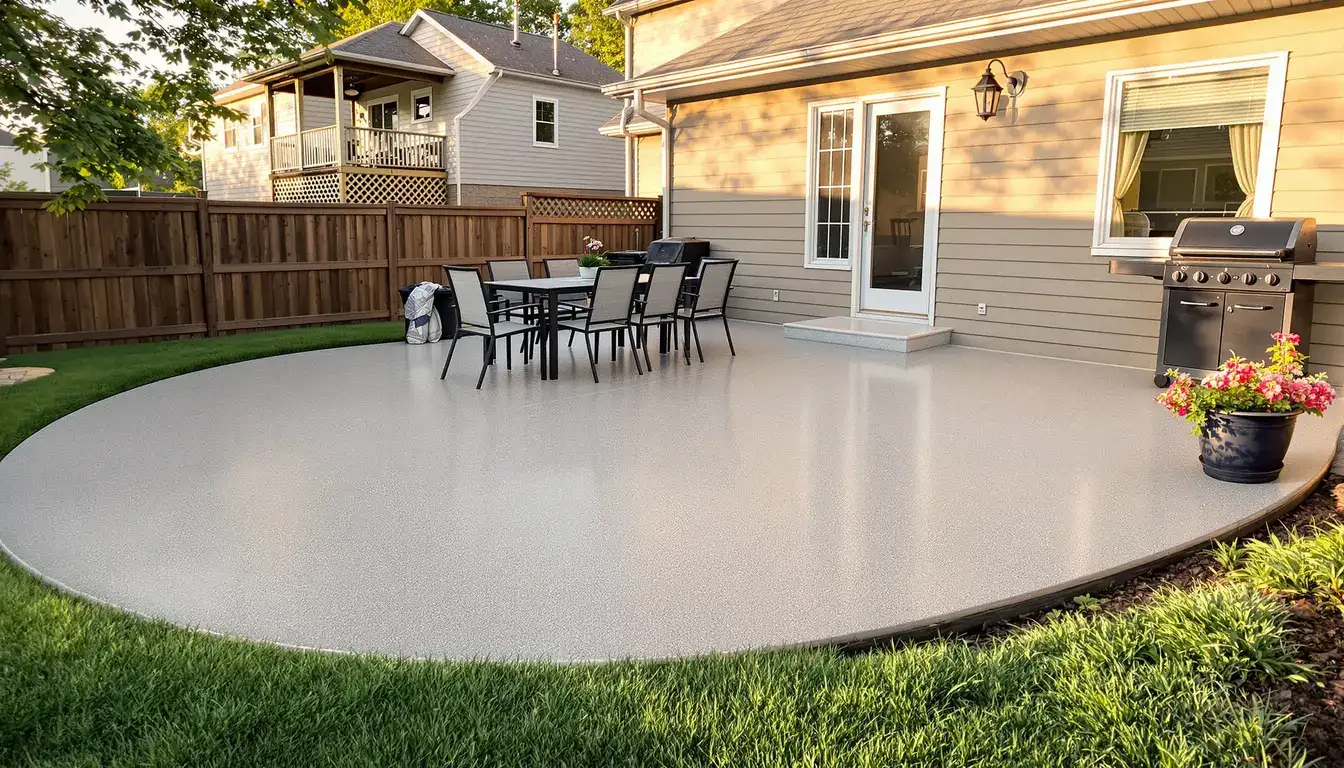
Where else we pour near Buckner
Start your Buckner concrete project
From call to concrete — the fastest in KC.
Get a free, no-obligation estimate for your concrete project. We serve the entire Kansas City metro — call (816) 721-1699 or request your estimate online.