
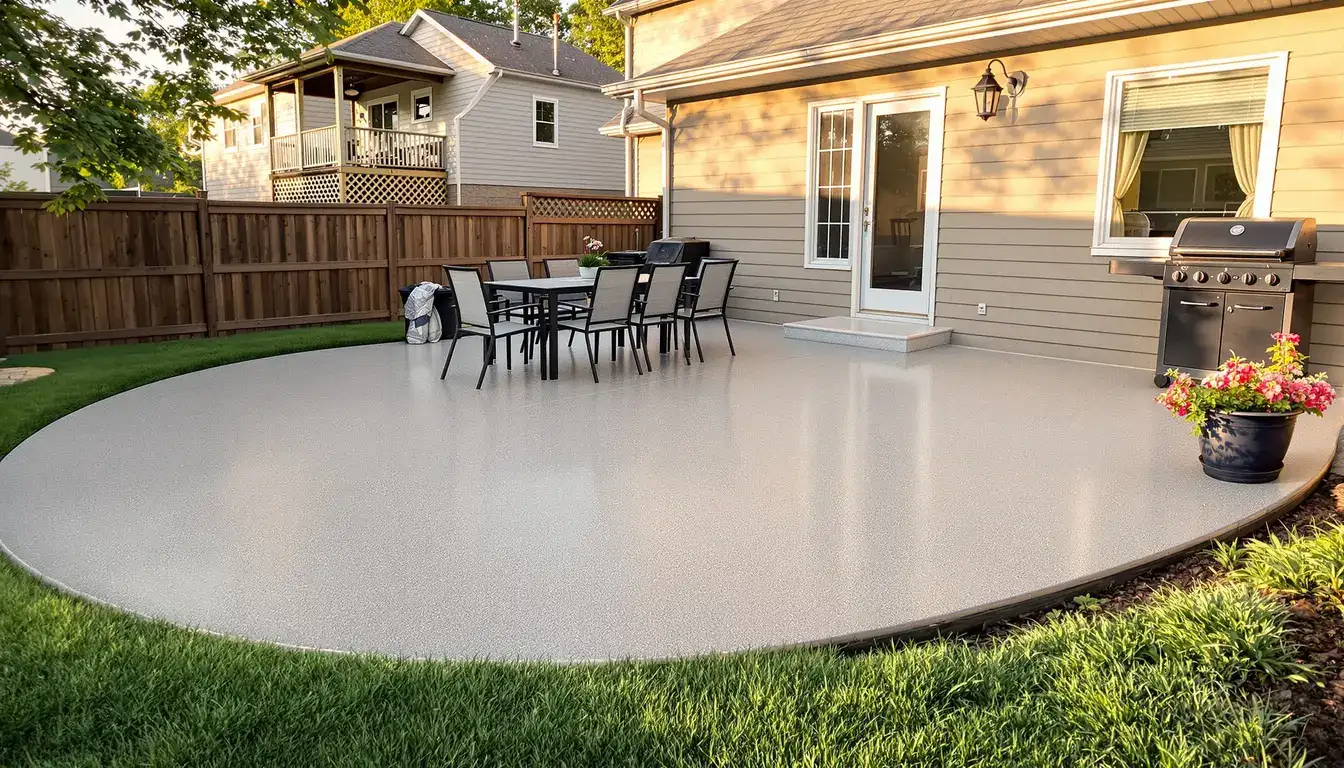
Concrete Patios & Outdoor Spaces in Louisburg, KS
Concrete patios for Louisburg's Miami County claypan — breaking the water that perches under the slab and cutting real fall off it, from Louisburg Estates to the acreage lots off Metcalf Road
Concrete Patios & Outdoor Spaces in Louisburg
Custom concrete patio design and installation for backyards, outdoor living areas, and commercial courtyards. Ford Concrete serves Louisburg, KS and the entire Kansas City metro with more than a decade of experience and a 5-star reputation.
Louisburg at a Glance
- Population
- 4,955
- State
- Kansas
- County
- Miami County
- Schools
- Louisburg USD 416
Building a patio on Louisburg's claypan ground
A concrete patio in Louisburg is built for claypan ground. A foot or two under most Miami County yards sits a dense shelf of clay — the claypan — that water can't soak through, so rain backs up into the softer soil above it and holds that layer wet and swelling. We break that trapped water under the slab and cut positive drainage into the surface to shed the rest.
That's a different problem from open-draining ground up the metro. The Cherokee-Parsons soils under Louisburg pair a loamy topsoil with that heavy, slow claypan beneath, and the town has grown fast as US-69 pulled subdivisions and acreage lots out of old Miami County farm ground. But a back yard in Louisburg Estates or off Metcalf Road still sits on the same claypan, and a concrete patio that ignores it rides the swell every wet spring. If a slab you already have is only worn on the surface, our resurfacing may be all it needs.
A base that breaks the perched water under a Louisburg patio
The claypan is the whole reason a patio here needs its base built with care. Water that can't drain down through the clay perches on top of it and keeps the soil right under a slab saturated, and saturated clay swells, softens, and moves. So the base is built to break that trapped water rather than sit in it. We dig out the topsoil, then build up a compacted base in thin lifts over an open, free-draining layer that carries perched water off to the side and keeps the clay beneath the slab from going soft.
The patio leaves the house on an isolation joint so the two move on their own terms, and around the rim we anchor a restraint point so a heavy pad on clay that breathes with the seasons can't work loose at an edge. On a wide pour we run doweled joints so load passes across the cut instead of one panel dropping below its neighbor.
The slab goes down at 4,000 PSI — the same mix our crew screeds on heavy commercial floors — sized here for a Louisburg back yard. Break the perched water with a base that drains and the ground under the concrete holds firm through a wet Kansas spring instead of turning to the soft clay that pulls a patio apart.
Getting water off a slab the claypan won't drain
Because the claypan won't take water down, every bit of rain that lands on or beside the patio has to leave across the top. That makes surface drainage the second half of the job. We set positive drainage into the pad — a deliberate fall, usually around a quarter inch to the foot — so water runs clear of the slab and away from the house rather than pooling against either one.
The threshold elevation at any door is set high enough that the finished surface still sheds away from the sill, which matters on the flatter Louisburg lots where there's little natural grade to borrow. We tie roof downspouts into the plan too, since a gutter dumping beside a patio is the fastest way to soak the clay the slab sits on and start it swelling. Keep the water moving off the top and out to daylight, and the claypan underneath stays as close to steady as this ground gets.
Where a patio cracks over swelling Miami County clay
Claypan clay breathes with its moisture — it takes on water and lifts through a wet spring, then gives it back and pulls down over a dry August. A slab that fights that motion cracks; one built to move with it doesn't. The first place trouble shows is a re-entrant corner, an inside angle like the notch around a step or a bay, where two directions of pull meet and the concrete tears if it isn't relieved.
So we cut contraction joints on a planned grid, about a quarter of the slab's depth, giving the concrete set lines to open along instead of wandering a crack across the middle. Fiber in the mix or a mat of steel carries the slab over the softer pockets the claypan leaves behind. The clay will still rise and settle a little with the weather; the joints and reinforcement decide that it reads as a tidy cut line rather than a break running the length of the patio.
Broom or stamped for a Louisburg Estates back yard
With the ground handled, the patio becomes an outdoor room, and the finish is where that gets decided. A broom vs stamped finish is the first fork: a broomed surface is quiet, sure-footed, and easy to keep, while stamped concrete presses a stone, plank, or slate pattern into the pour for a yard that wants more from the floor. We lay a mockup panel first so you approve the real color and texture in Louisburg daylight instead of picking off a phone screen.
Either way, the joints are drawn as part of the look. We hold joint pattern continuity so the control lines line up with the slab's edges and the door instead of landing at random, which keeps a stamped pattern reading clean and an open broomed pad looking deliberate. A breathable sealer goes on to guard the color and shed water without trapping moisture in the concrete. If you want to see textures we've poured, our gallery and our stamped concrete page show the finishes side by side.
Replacing an old patio in downtown Louisburg
Plenty of the patios we replace around Louisburg are thin, jointless slabs poured decades back on little more than the native clay — no drainage layer, no reinforcement, nothing to break the perched water — and the claypan has since heaved and cracked them into a trip hazard. The question is whether the slab needs resurfacing or a full rebuild, and that comes down to what's under the wear.
If the concrete is sound underfoot and only the top has scaled or dulled, a bonded overlay can give it a fresh face for years. If it's pumping at the joints, rocking, or split clean through, the honest fix is to take it out, rebuild the base to break the water the old pour ignored, and pour new with proper contraction joints. Pulling an old pad is also the easy moment to size the patio up, since the base has to be rebuilt for the claypan either way. We'll tell you straight which one your slab is — nearby homeowners in Paola and Spring Hill face the same call on the same ground.
Do you need a permit for a patio in Louisburg?
Usually, yes. Inside the city the City of Louisburg issues the permit; on a parcel out in the county Miami County handles it, and an attached or roofed patio gets a harder look than an open ground slab. We sort out which office applies to your lot, file the paperwork, and carry it through inspection so the pour is scheduled clean.
Louisburg's own code is stricter than most about hard surfaces — the city requires off-street parking areas to be surfaced with concrete or pavement when a property expands — so it pays to have the work permitted and done right the first time. We build to Kansas practice and to KDHE stormwater rules, keeping the positive drainage you shed off the patio from becoming a complaint next door. Homeowners up the US-69 corridor in Olathe and Gardner deal with the same permitting, and we handle it the same way in each.
Ready to build your Louisburg patio?
From call to concrete — the fastest in KC.
From a fresh back yard in Louisburg Estates to a cracked old slab downtown, a patio on Miami County claypan lasts only when its base breaks the water that perches under it. Ford reads the ground, does the work, and hands you a written number instead of a ballpark. Call (816) 721-1699 to set up a site visit.
What goes into a Louisburg Concrete Patios & Outdoor Spaces job
Read the ground and the claypan
We check how deep the topsoil runs and how shallow the claypan sits under your Louisburg lot, then match the base plan to it before we put a number on the job.
Mark the shape and the fall
We lay out the footprint and the joint lines and set the door threshold high enough that, flat as many lots are, the finished pad still has a deliberate route for water to leave.
Dig out and break the water
We strip the topsoil, then build a compacted base in thin lifts over a free-draining layer that carries the water perched on the claypan off to the side of the slab.
Form, pitch, and lock the edge
We set the forms, grade the drainage pitch into the subbase, and anchor the perimeter restraint so the slab can't creep on clay that swells and shrinks with the seasons.
Place the 4,000-PSI slab
We place a 4,000-PSI mix, screed and float it flat, then work in whichever broom or stamped texture came off the sample panel you approved.
Saw the joints on time
We cut the control joints on a tight window after the pour, giving the slab planned lines to open along instead of leaving the claypan to choose where it cracks.
Seal, cure, and walk it
We finish the cure, seal the surface, and walk the pad with you, going over how we broke the perched water underneath so it keeps sitting level.
When Concrete Patios & Outdoor Spaces in Louisburg is ready to replace
A pad that lifts wet and drops dry
A patio that rides up through a wet spring and settles back over a dry summer is the claypan breathing beneath it — the trapped clay swelling with water and shrinking as it leaves.
A crack out of an inside corner
A crack running out of an inside angle shows the slab tearing where two directions of pull meet, the first place to fail once the clay underneath moves unequally.
Water standing on the slab
Rain that sits on the surface instead of running off means the pad was poured without enough fall — a common miss on flatter Louisburg lots, where the pitch has to be built in.
A damp, chalky face
Efflorescence or a surface that stays damp points to moisture held against the concrete by the claypan below, unable to drain down and pushing up through the slab instead.
A gap opening at the house
A widening separation where the patio meets the foundation tells you the slab was cast tight to the house with no break between them, so every bit of clay movement drags at the wall.
A hollow knock underfoot
A dull, hollow sound or a little give near the edge means the soil beneath has washed or shrunk away, leaving the concrete spanning a void the claypan helped open.
Why Ford for your Louisburg Concrete Patios & Outdoor Spaces
Built for the claypan
Louisburg sits on Miami County claypan that traps water above it, so we break that perched water under the slab on a base that drains instead of pouring straight onto clay that swells.
A short run down US-69
Louisburg is a straight shot down the US-69 corridor from our Kansas City side, an easy trip for us to walk your lot, handle the permit, and get the patio poured.
Commercial flatwork at home
The same crew that screeds flat, tight commercial floors pours your Louisburg patio to the same standard, from the base up.
29 reviews, 4.9 stars
Homeowners across the Kansas City metro have kept Ford Concrete at a 4.9-star average over 29 Google reviews.
Proof we pour at any scale
From your driveway to an Amazon warehouse — the same crew, the same standards, every project.
Taco Bell
New Construction
Overland Park, KS
Domino's Pizza
New Construction
Independence, MO
Freddy's
New Construction
Kansas City
Tidal Wave Car Wash
New Construction
Kansas City
Amazon
New Construction
Riverside, MO
Nortian Food Grade Protein Facility
New Construction
Springfield, MO
Price your Louisburg Concrete Patios & Outdoor Spaces project
Or call us directly: (816) 721-1699
Concrete Patios & Outdoor Spaces in Louisburg — FAQs
What is a claypan, and why does it matter for my patio?
Does Louisburg's clay mean my patio needs a special base?
Do I need a permit for a patio in Louisburg?
How long does it take to build a patio in Louisburg?
Will the patio crack as the clay swells and shrinks?
How do I keep a Louisburg patio looking good over the years?
More Louisburg concrete services
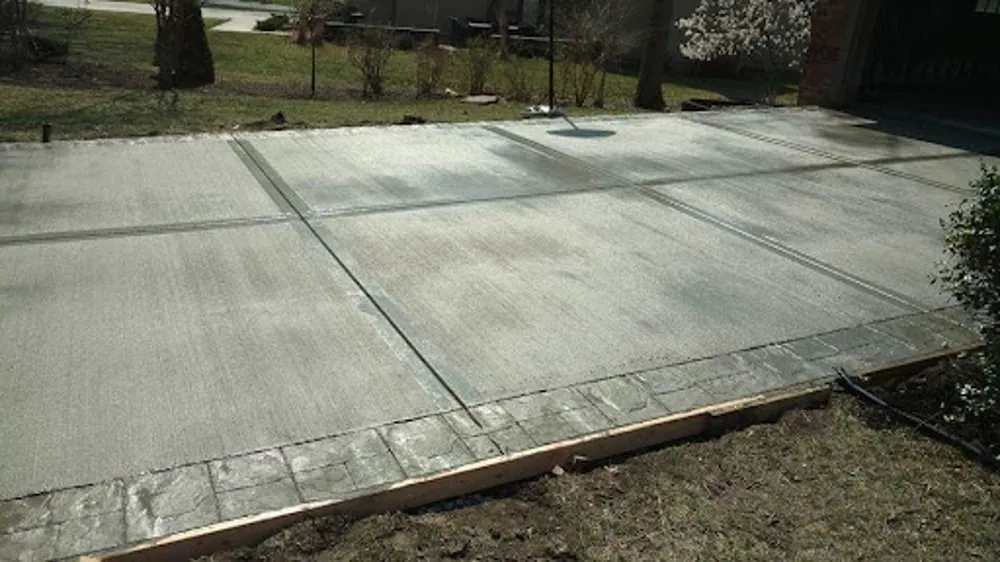
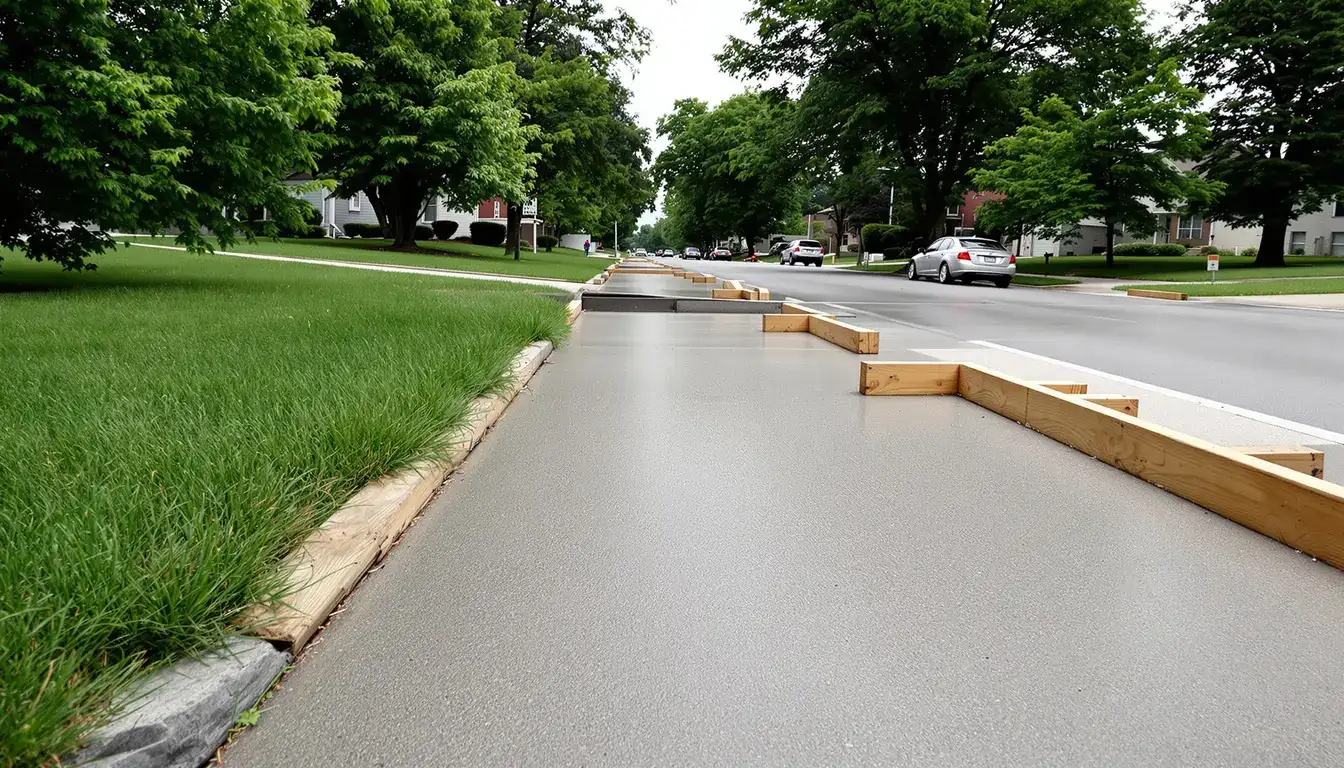
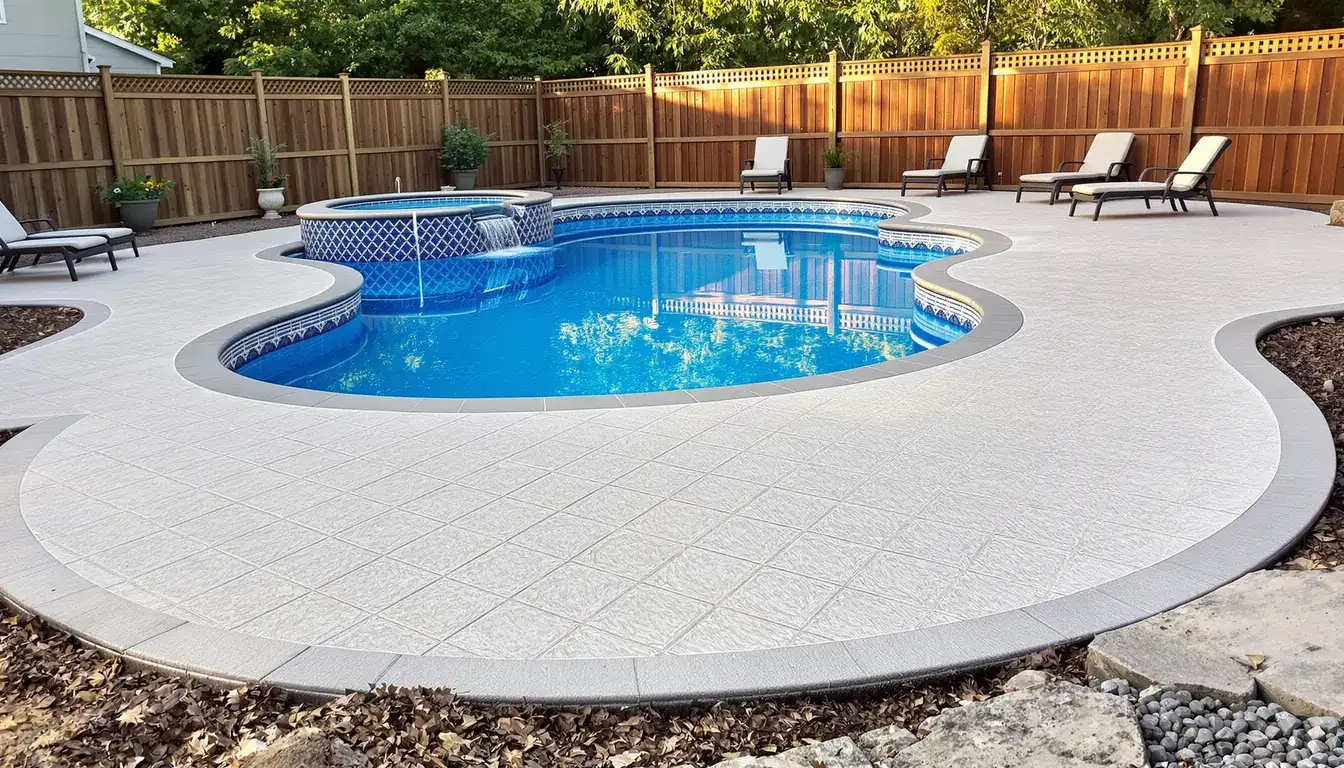
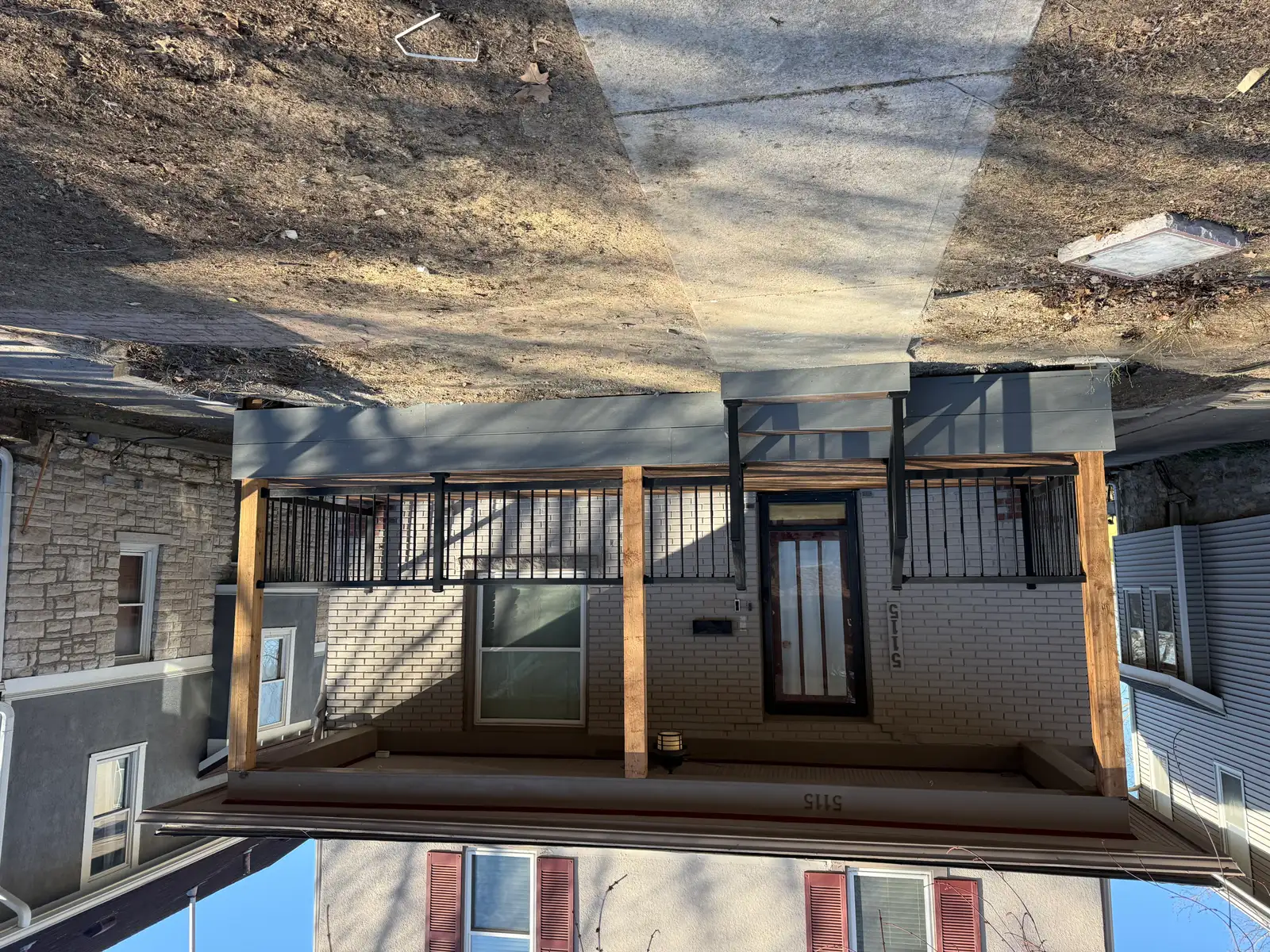
Nearby Louisburg-area projects
Start your Louisburg concrete project
From call to concrete — the fastest in KC.
Get a free, no-obligation estimate for your concrete project. We serve the entire Kansas City metro — call (816) 721-1699 or request your estimate online.