
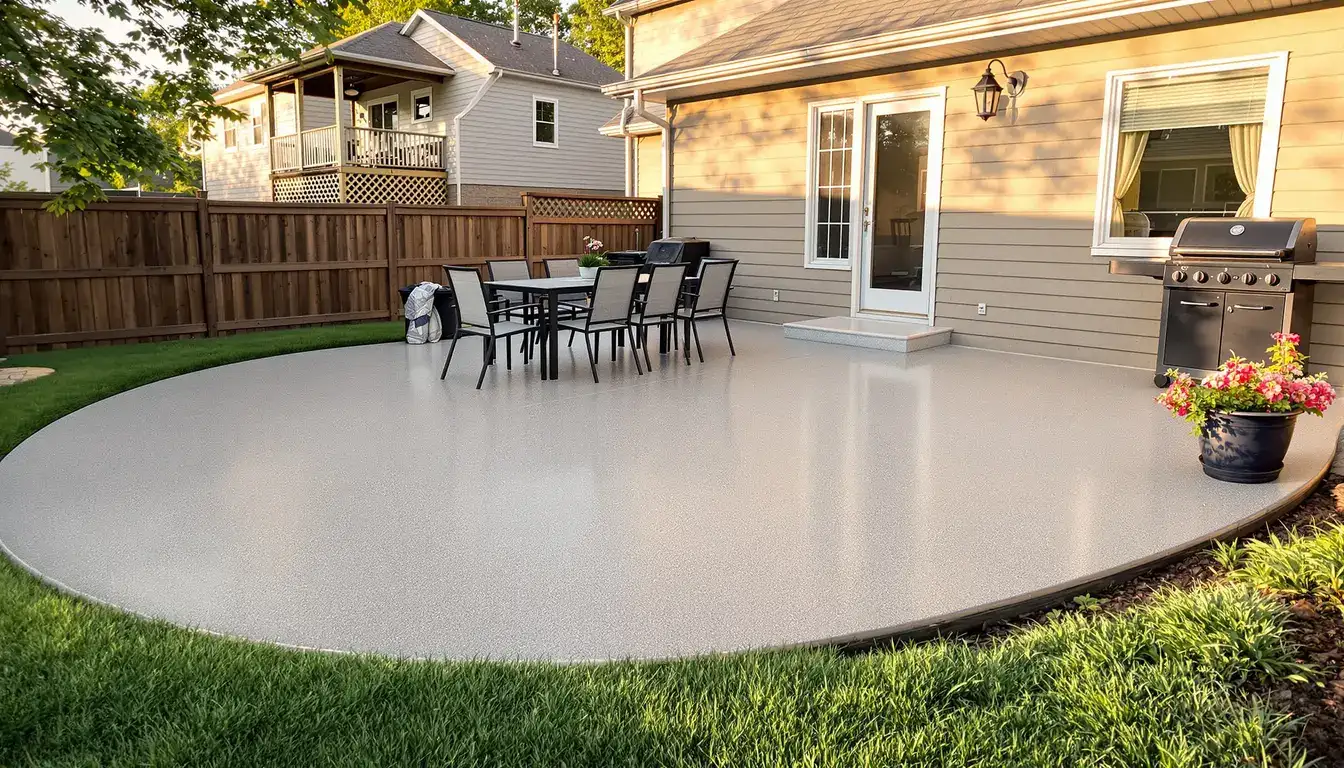
Concrete Patios & Outdoor Spaces in Basehor, KS
Concrete patios built for Basehor's young ground — where new subdivision fill sits over Leavenworth County loess in the golf-course neighborhoods off US-24/40
Concrete Patios & Outdoor Spaces in Basehor
Custom concrete patio design and installation for backyards, outdoor living areas, and commercial courtyards. Ford Concrete serves Basehor, KS and the entire Kansas City metro with more than a decade of experience and a 5-star reputation.
Basehor at a Glance
- Population
- 7,564
- State
- Kansas
- County
- Leavenworth County
- Schools
- Basehor-Linwood USD 458
New neighborhood, older ground underneath in Basehor
A concrete patio in Basehor holds up when the base is built for two layers at once: a season of graded subdivision fill over Leavenworth County loess, a wind-laid silt that's firm when dry and slumps when wet. We rebuild the fill as a compacted base and keep water off the loess so neither shifts under the slab.
That combination is what makes Basehor its own job. Known as the "Gateway to Leavenworth County," the town has grown fast since 2015, dropping neighborhoods like Falcon Lakes, Cedar Lake, and Wolf Creek onto graded pads where the loess is never far below the fill. A patio that treats the ground as one solid layer cracks within a few seasons, because the fill consolidates and the loess loses strength at different rates. We read the whole lot before we quote — and if a slab is only worn on top, our resurfacing may be enough.
Building a base for fill and loess both
The base has to answer both layers on the same slab. Where the pad is builder's fill, we dig to see how deep it runs and rebuild it as a compacted base in lifts so it won't settle under load; below that, the loess only stays firm while it stays dry, so we build the base to drain and hold a restraint point around the edge that keeps the slab from creeping outward as the ground gives. On a lot where the fill is deep, that held edge is what stops a heavy pad from spreading and opening its own cracks while the ground below it is still finding its level.
We separate the patio from the house with an isolation joint so it can move without dragging on the foundation, and on wider pours we set doweled joints so load carries across the joint instead of one panel dropping below the next. The slab goes down at 4,000 PSI — the same mix and crew behind heavy commercial flatwork, sized for a backyard that sits on young ground.
What loess adds is a trigger: water. Dry, it carries the slab fine; once it saturates, it loses strength and can wash out from under an edge. We build the base to move water away from that silt and stop the fill from wicking it down, so the ground under a Falcon Lakes patio stays as firm in a wet March as it is in a dry August.
Getting water off young Basehor ground
On loess, standing water is the thing that undoes a patio, so the whole slab is shaped to carry rain off it and away. We drop the threshold elevation a full step under the door and fall the surface toward the yard, so a hard rain runs off the pad instead of ponding at the wall or wicking down into the fill.
The fall we build is a steady quarter inch to the foot of positive drainage, cut into the subgrade from the doorway outward before any concrete is placed — never faked in afterward with a trench drain. Because loess gives up its strength the moment it soaks, moving that water off fast is half of what makes a patio here outlast the neighborhood around it.
Roof water counts as much as grade. On the tightly spaced new lots in Falcon Lakes, downspouts that let out beside a slab put a steady soak right where the loess can least take it, so we lay out the pitch around where your gutters actually discharge and carry that water clear of the pad rather than into the base.
Where a Basehor patio cracks, and why
Fresh fill over loess moves more than settled ground, so joints do the real work. We cut contraction joints on a roughly ten-foot grid so each part of the slab can move on its own instead of the field tearing across the middle.
We pay extra attention to the re-entrant corner — the inside angle at a step or an L-shaped edge — where a slab pulled two ways is most likely to crack. Joints get cut about a quarter of the slab's depth, so when the ground moves a crack forms clean at the base of the groove instead of wandering across the top.
On young ground the first year or two is when most of the settlement happens, so we reinforce the slab with fiber or rebar to span a soft spot in one piece while the fill finishes consolidating. Placed right, that movement reads as tooled lines you'll barely notice rather than damage.
Broom or stamped for a Basehor backyard
A new home in Falcon Lakes or off the US-24/40 corridor calls for a patio that reads as part of the design rather than a slab dropped behind it. Most owners weigh a broom vs stamped finish — a broomed surface gives a quiet, sure-footed texture for a family yard, while stamped concrete presses a stone or plank relief into the pour for an outdoor room. Before we commit, we pour a mockup panel so you judge the color and texture in your own yard, under the light it will sit in.
This ground wants a lot of joints, so we design with them instead of around them. Joint pattern continuity means lining the control cuts up with the house wall, the deck posts, and the stamp seams, so a slab full of joints still reads as one deliberate surface. Browse finished color and texture options in our gallery.
Every finish gets sealed with attention to sealer vapor transmission, so the loess moisture that rises under a slab can breathe out instead of pushing the coating loose; a light reseal every couple of seasons keeps a stamped relief crisp through the freeze-thaw swings of a Kansas winter.
Replacing an older patio near downtown Basehor
Not every Basehor patio is new. Off 155th Street and Leavenworth Road, in the older heart of town, slabs poured decades back went in thin and without a single contraction joint, and a lifetime of loess movement has left them split and out of level.
What decides resurfacing against a full replacement is the condition below the wear. A tired surface over sound concrete can take a resurfacing and gain years; a corner that's dropped where the silt washed out has a base problem, and only a fresh slab on a rebuilt base fixes that for good. We'll read yours on site and tell you straight — and when the concrete has to come out regardless, it's the opening to widen the patio or straighten a clumsy shape.
A patio that's sunk on one side turns the joint into a toe-catch, and that trip risk is usually what tips an owner from patching toward replacing. We quote both paths so you can weigh them with real numbers.
Do you need a permit for a patio in Basehor?
Basehor's building rules run through the City of Basehor, and a covered or attached patio draws more review than a ground-level slab. We pull the City of Basehor permit, keep the pour clear of setbacks and utility easements, build to Leavenworth County and KDHE expectations, and confirm the threshold elevation keeps runoff on your side of the line. In a town adding lots this fast, the setback and easement lines on a new plat are easy to misjudge from the yard, so we check the recorded plan before we form rather than after the pour.
We work across the northwest edge of the metro, so whether you're out toward Lansing, up in Leavenworth, or over in Bonner Springs, we match the base to the ground — and Basehor's fill over loess is its own job. Start on the main concrete patio page to see how we build.
Ready to build your Basehor patio?
From call to concrete — the fastest in KC.
On Basehor's fresh fill over loess, a patio holds only when the base answers both layers. Ford checks the ground, rebuilds the base, and hands you a written number instead of a guess. Call (816) 721-1699 to set up a site visit.
What goes into a Basehor Concrete Patios & Outdoor Spaces job
Read the ground before we price
We gauge how deep the builder's fill runs and how the silt below behaves, then match the base plan to what your Basehor lot actually is.
Lay out shape and threshold
We mark the footprint, the joint grid, and the threshold elevation below the door so water always leaves the house.
Rebuild and drain the base
We replace loose fill in thin compacted lifts and open the base so it drains, keeping both the fill and the silt from shifting once the slab is on them.
Form, pitch, and lock the perimeter
We set the forms, cut in the drainage fall, and anchor the restraint point around the edge so nothing spreads once concrete goes down.
Place the 4,000-PSI slab
We pour and screed a 4,000-PSI mix, then float it and lay in the broom or stamp texture you signed off on.
Saw the joints on schedule
We time the contraction-joint cuts to the pour so the slab relieves its stress along our lines rather than wherever the silt decides.
Seal, cure, and walk it
We cure and seal the patio, then walk it with you so you know how the young ground was handled.
Is your Basehor Concrete Patios & Outdoor Spaces failing?
A corner that's dropped
A patio settling at one corner is sitting on fill that's still consolidating or loess that washed out from under the edge.
Cracks out of an inside corner
Cracks running out of an inside corner mean the slab is tearing at its weakest angle while fill and loess move at their own pace beneath it.
Puddles that linger after rain
Water that sits for hours after a storm says the pad was poured too flat, and on silt that trapped water is what quietly weakens the soil holding it up.
A surface flaking off grit
A top face shedding sand and grit points to a finish that was overworked or a slab kept damp from below — a familiar problem on Basehor's older jointless pours.
A gap opening at the house
A widening gap where the slab meets the foundation tells you the patio was tied to the house with no isolation joint, so its own movement is prying the two apart.
The slab sounds hollow underfoot
A patio that gives or sounds hollow near an edge has lost the ground beneath it, usually where water carried the loess away.
Why Ford for your Basehor Concrete Patios & Outdoor Spaces
We build for two layers, not one
Before we quote a Basehor job we gauge the fill and the silt under it, then size the base to both — the move that keeps a slab on green ground from dropping a corner.
A short run to Leavenworth County
Basehor sits along US-24/40 at the gateway to Leavenworth County, an easy trip for us to walk your lot, confirm the permit, and get it poured.
Commercial flatness on a backyard slab
The same crew that screeds big commercial pours brings that level, tight-jointed finish down to a Basehor patio sitting on green fill.
29 reviews, 4.9 stars
Ford Concrete keeps a 4.9-star average across 29 Google reviews from homeowners around the metro.
Proof we pour at any scale
From your driveway to an Amazon warehouse — the same crew, the same standards, every project.
Taco Bell
New Construction
Overland Park, KS
Domino's Pizza
New Construction
Independence, MO
Freddy's
New Construction
Kansas City
Tidal Wave Car Wash
New Construction
Kansas City
Amazon
New Construction
Riverside, MO
Nortian Food Grade Protein Facility
New Construction
Springfield, MO
Price your Basehor Concrete Patios & Outdoor Spaces project
Or call us directly: (816) 721-1699
Concrete Patios & Outdoor Spaces in Basehor — FAQs
Why is Basehor's ground harder to build on?
Do I need a permit for a patio in Basehor?
Why do patios crack at the corners?
What keeps a new patio flat while the ground is still settling?
How long does a patio take to build in Basehor?
Can you make my patio bigger when you replace it?
Related concrete services in Basehor
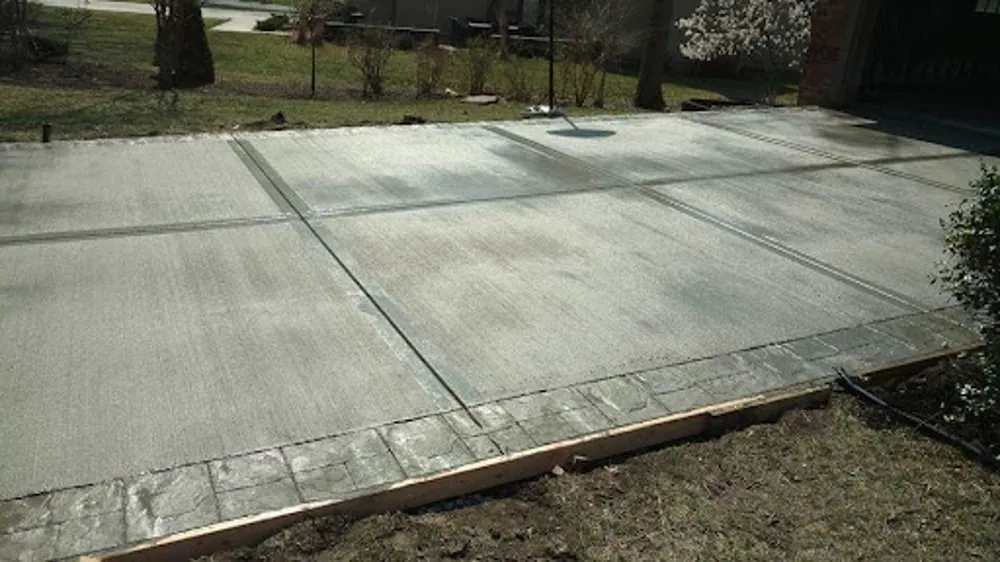
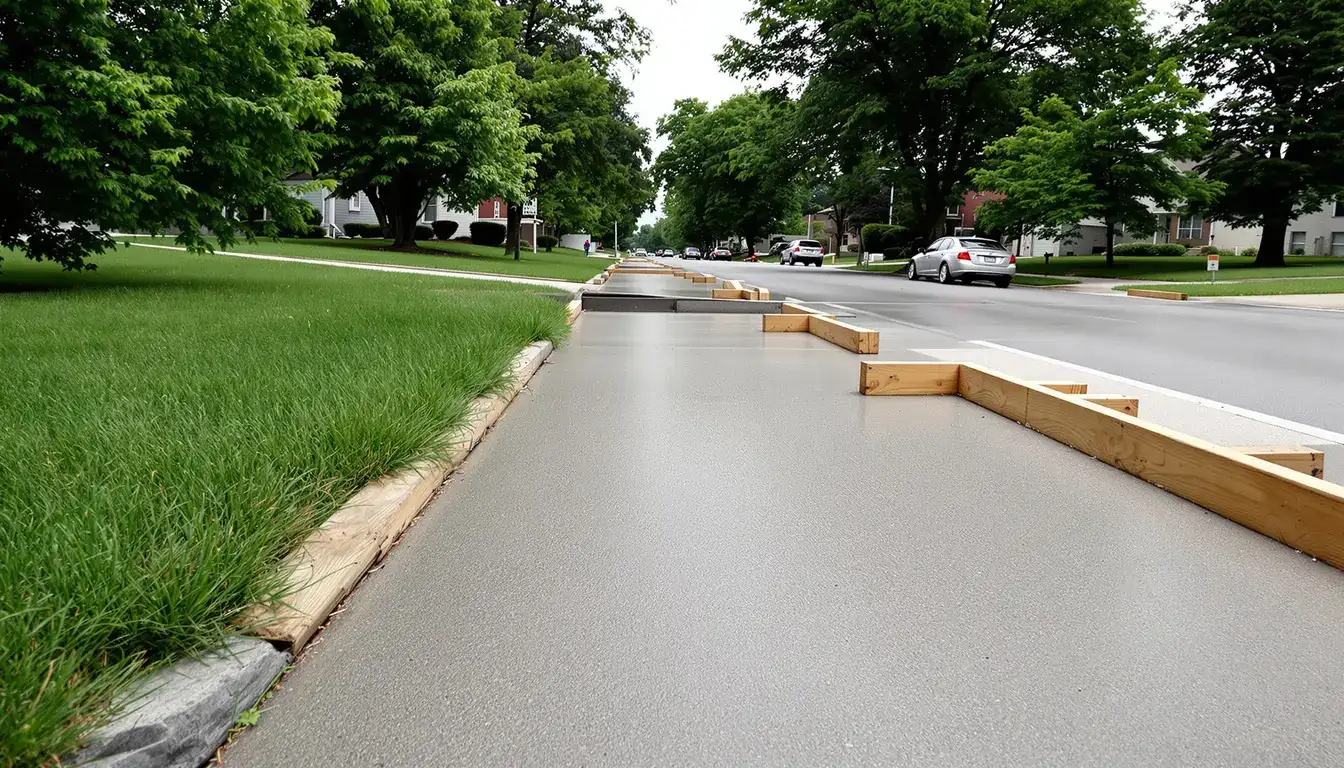
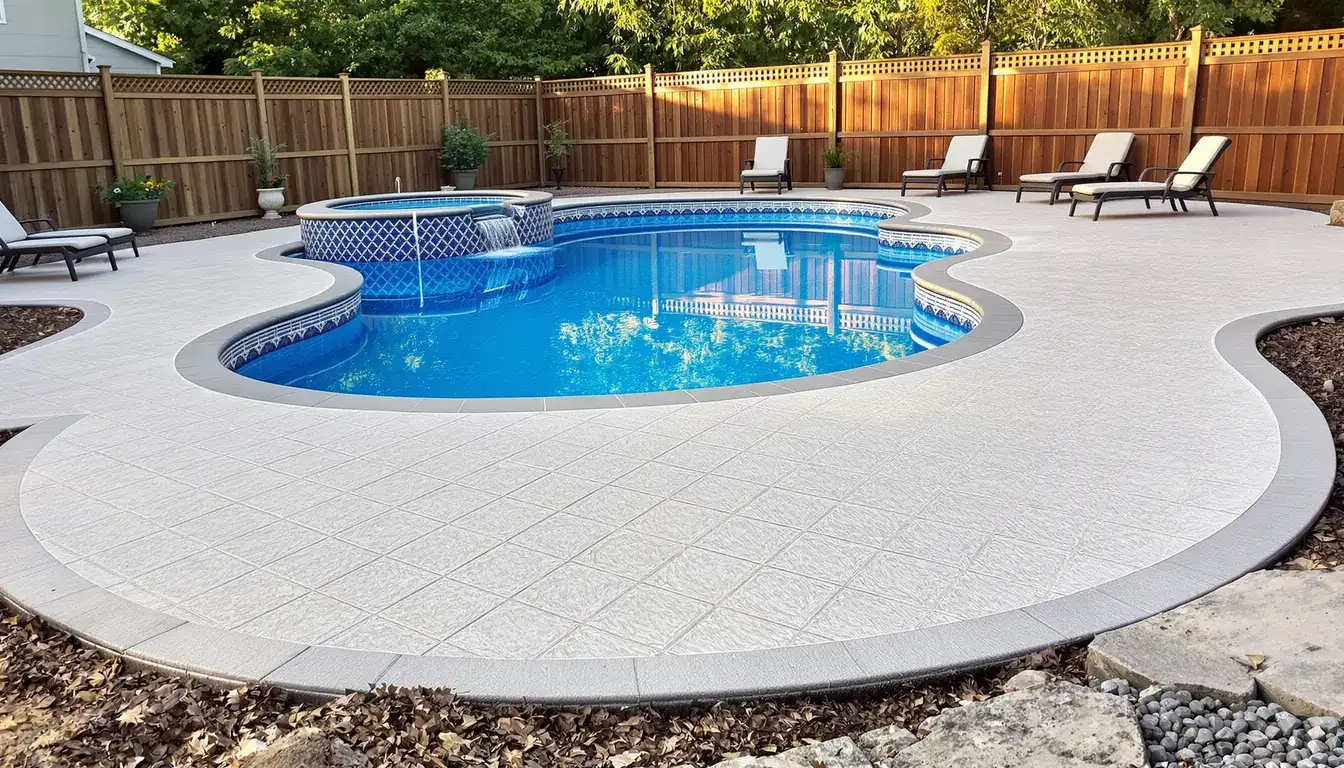
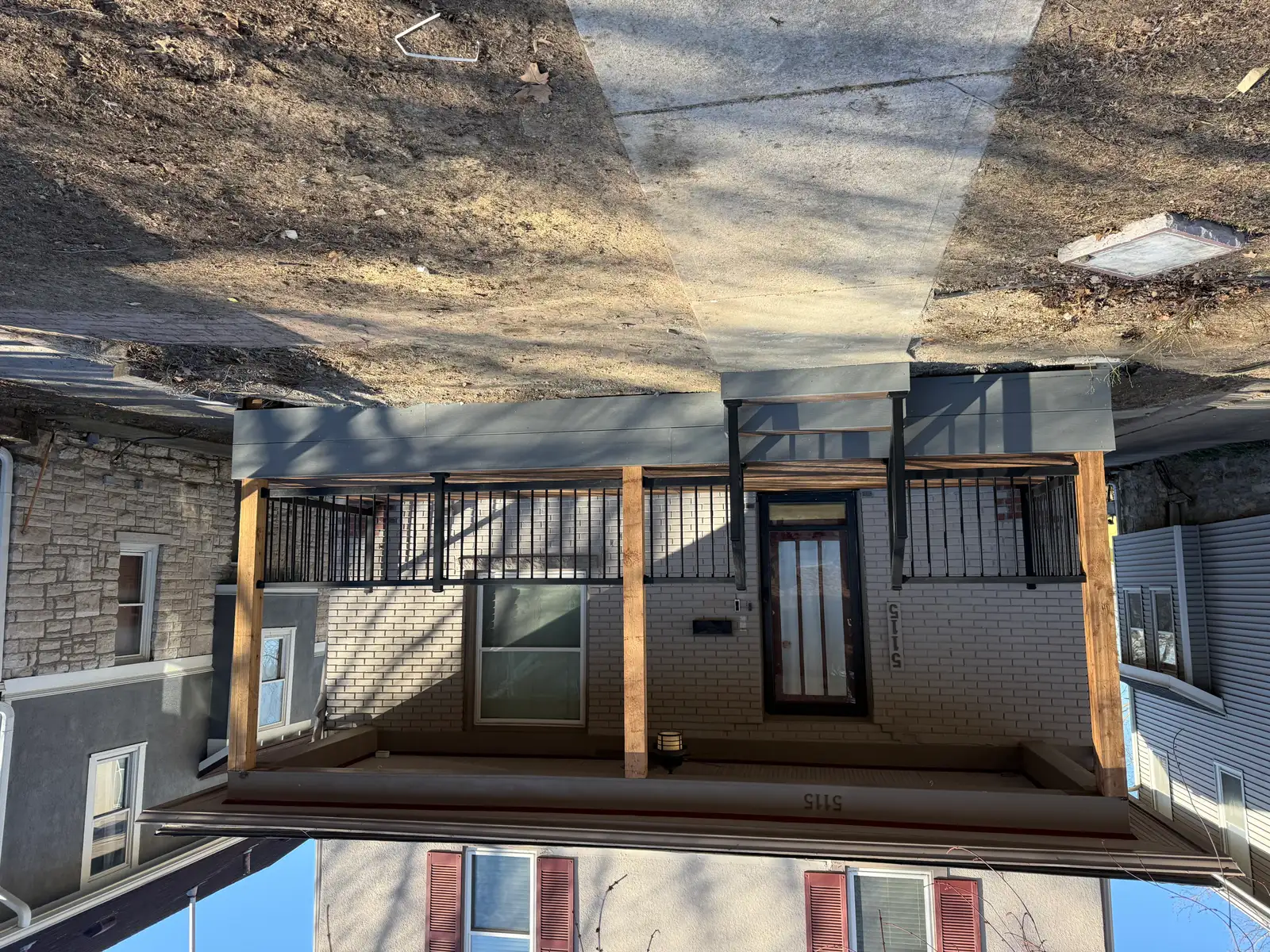
Nearby Basehor-area projects
Start your Basehor concrete project
From call to concrete — the fastest in KC.
Get a free, no-obligation estimate for your concrete project. We serve the entire Kansas City metro — call (816) 721-1699 or request your estimate online.