
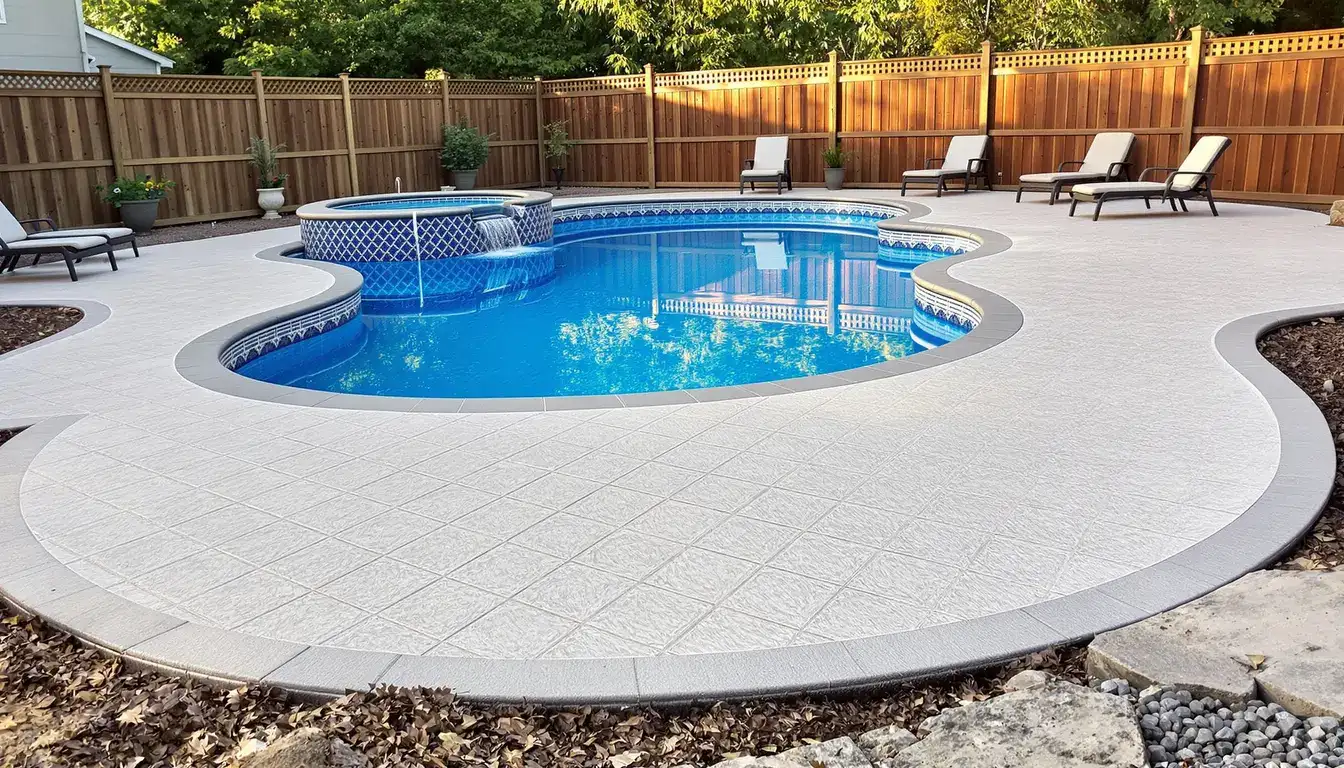
Concrete Pool Decks in Lexington, MO
Pool decks built for Lexington's two grounds, from the loess bluffs above the Battle of Lexington site down toward the river bottoms. Whether your lot sits high on the ridge or low near the Missouri, the deck plan changes with the ground — so we read which Lexington you're on before we pour.
Concrete Pool Decks in Lexington
Slip-resistant concrete pool deck installation and resurfacing for residential and commercial swimming pools. Ford Concrete serves Lexington, MO and the entire Kansas City metro with more than a decade of experience and a 5-star reputation.
Lexington at a Glance
- Population
- 4,652
- State
- Missouri
- County
- Lafayette County
- Schools
- Lexington R-V School District
What makes a Lexington pool deck last?
A Lexington pool deck lasts when the base is matched to the ground it sits on, water is kept off that ground, the slab is reinforced, and an isolation joint keeps the deck free of the pool shell. In a river-bluff town like Lexington, "the ground" isn't one thing — a bluff-top lot and a lot down toward the river need different plans.
Homes up on College Hill and along the ridge near the Lafayette County Courthouse sit on loess. Lots down toward the Missouri bottoms sit on alluvium with a higher water table. A deck built for the ground it's actually on is the one that holds.
Which Lexington are you on?
Lexington sits where the land drops from a high bluff down to the Missouri River — it's why the Civil War battle was fought up top and why the old town looks out over the water. That drop means two very different grounds within one small town, and the pool-deck plan follows the elevation.
Up on the ridge, the ground is loess — wind-laid silt that's strong when dry and weak when saturated. Down toward the bottoms, the ground is river alluvium with a water table that sits closer to the surface. Before we design a Lexington deck, we place your lot on that slope, because the base, the drainage, and the reinforcement all change with it.
A bluff-top deck: keep the loess dry
On a College Hill or ridge lot, the ground is loess, and loess has one rule: keep it dry and it holds; saturate it and it slumps. You can see it standing in the near-vertical bluff faces above the river — strong until water gets into it.
So on a bluff-top Lexington deck, the base is straightforward but the water plan is everything. We compact a stone base, reinforce the slab, and then grade to shed rain, carry downspouts and pool discharge well past the pad, and never let water pool where it would soak the loess under or beside the deck. Controlled water is what lets the ridge ground carry the deck for decades.
A river-bottom deck: manage the high table
On a lot down toward the Missouri bottoms, the problem flips. The ground is alluvium and the water table sits closer to the surface, especially through a wet spring. Soft, saturated ground gives under load, so a bottom-lot deck needs a base that spreads weight wide rather than concentrating it.
We build a thicker, well-compacted stone base that acts like a raft, add a drainage layer so water moves out from under the slab instead of building hydrostatic pressure against it, and thicken the edge under the coping where the load concentrates. That keeps a bottom-lot deck level even as the seasonal table rises and falls.
Why the deck rides free of the pool
On either ground, the pool shell rides its own backfill and the deck rides the surrounding soil, and the two move at different rates. Poured tight, the shell/deck interface is where the first crack shows.
We set an isolation joint — a flexible full-depth break — between the deck and the shell so each moves on its own, and consolidate the backfill in lifts so the coping doesn't settle after the first season. On a bottom lot where the ground is softer, that joint and that backfill work matter even more, because there's less firm ground holding the coping true.
A finish that grips, sealed for a river winter
A pool deck is walked barefoot and wet, so it needs real slip resistance. We finish most Lexington decks with a broom texture that grips a wet deck, or a stamp or stain for a homeowner who wants the deck to sit right beside a historic-district home — with a texture that still holds underfoot.
Then we seal on dry concrete to protect the finish through the freeze-thaw a Missouri River winter brings and, on a saltwater pool, its salt exposure. Sealing damp concrete causes sealer blushing, a cloudy haze that has to be stripped and redone, so we time it to dry weather.
Permits, bonding, and the crew
Pool and deck work in Lexington runs through the city and Lafayette County, and a residential deck has to tie into the pool's equipotential bonding grid that keeps the wet surface electrically safe. We build to code, handle the bonding, and coordinate the inspection so it passes clean.
The same crew that pours flatwork for KC-metro businesses builds these backyard decks, so reading a two-ground river-bluff lot and matching the base to it is well inside what we do. We check your Lexington lot, tell you straight what your ground needs, and put a real number on paper. Related nearby work runs through Odessa, Independence, and Grain Valley. Call (816) 721-1699.
Ready to build your Lexington pool deck?
From call to concrete — the fastest in KC.
In Lexington, the ground changes with the elevation — loess up on the ridge, alluvium down toward the river — and the deck plan changes with it. We read which Lexington your lot is on, tell you straight what the ground needs, and put a real number on paper. Call (816) 721-1699 to book a site visit, usually within a day.
Why Lexington Concrete Pool Decks is built this way
Place your lot on the slope
We read where your Lexington lot sits between the bluff and the river to know which ground the deck is on.
Match the base to the ground
We build a keep-it-dry base on loess up top or a load-spreading, drained base on alluvium down below.
Set the water plan
We grade to shed rain and, on a bottom lot, add a drainage layer so hydrostatic pressure can't build under the slab.
Form, isolate, and reinforce
We form the deck, set the isolation joint at the shell, tie in the steel mat, and tie in the bonding grid.
Pour and finish
We place the 4,000 PSI slab and lay in a broom or decorative finish that grips when wet.
Cut joints and seal
We saw contraction joints on plan, then seal on dry concrete to beat freeze-thaw and salt exposure.
Inspect and walk it
We coordinate the city inspection and walk the finished deck with you before we call it done.
Warning signs on Lexington Concrete Pool Decks
Slumping ground on a ridge lot
A deck heaving or dropping on a bottom lot
A crack at the pool edge
A settling coping stone
A slick surface when wet
A hazed, cloudy sealer
What sets Ford apart in Lexington
Matched to your ground
We place your lot on Lexington's bluff-to-river slope and build the base for the ground it's actually on — loess up top, alluvium below.
Water kept off the soil
On loess we grade and carry water past the pad; on the bottoms we drain the base so hydrostatic pressure can't build under the slab.
Separated from the shell
An isolation joint keeps the deck free of the pool shell, and consolidated backfill keeps the coping from settling.
Sealed for a river winter
We seal on dry concrete to protect the finish through freeze-thaw and a saltwater pool's salt exposure, avoiding sealer blushing.
Proof we pour at any scale
From your driveway to an Amazon warehouse — the same crew, the same standards, every project.
Taco Bell
New Construction
Overland Park, KS
Domino's Pizza
New Construction
Independence, MO
Freddy's
New Construction
Kansas City
Tidal Wave Car Wash
New Construction
Kansas City
Amazon
New Construction
Riverside, MO
Nortian Food Grade Protein Facility
New Construction
Springfield, MO
Price your Lexington Concrete Pool Decks project
Or call us directly: (816) 721-1699
Concrete Pool Decks in Lexington — FAQs
Why does the plan change depending on where my Lexington lot is?
Is the loess on the Lexington bluffs a problem for a deck?
My lot is down near the river bottoms — will a deck stay level?
Why does the deck need to be separated from the pool?
Can you build a deck that fits a historic-district home?
Beyond Concrete Pool Decks: our Lexington work
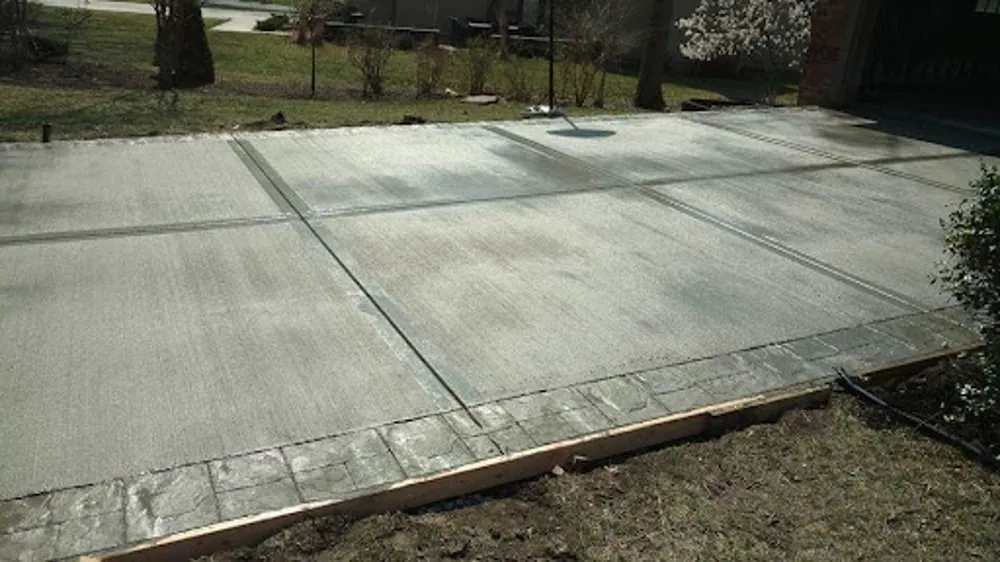
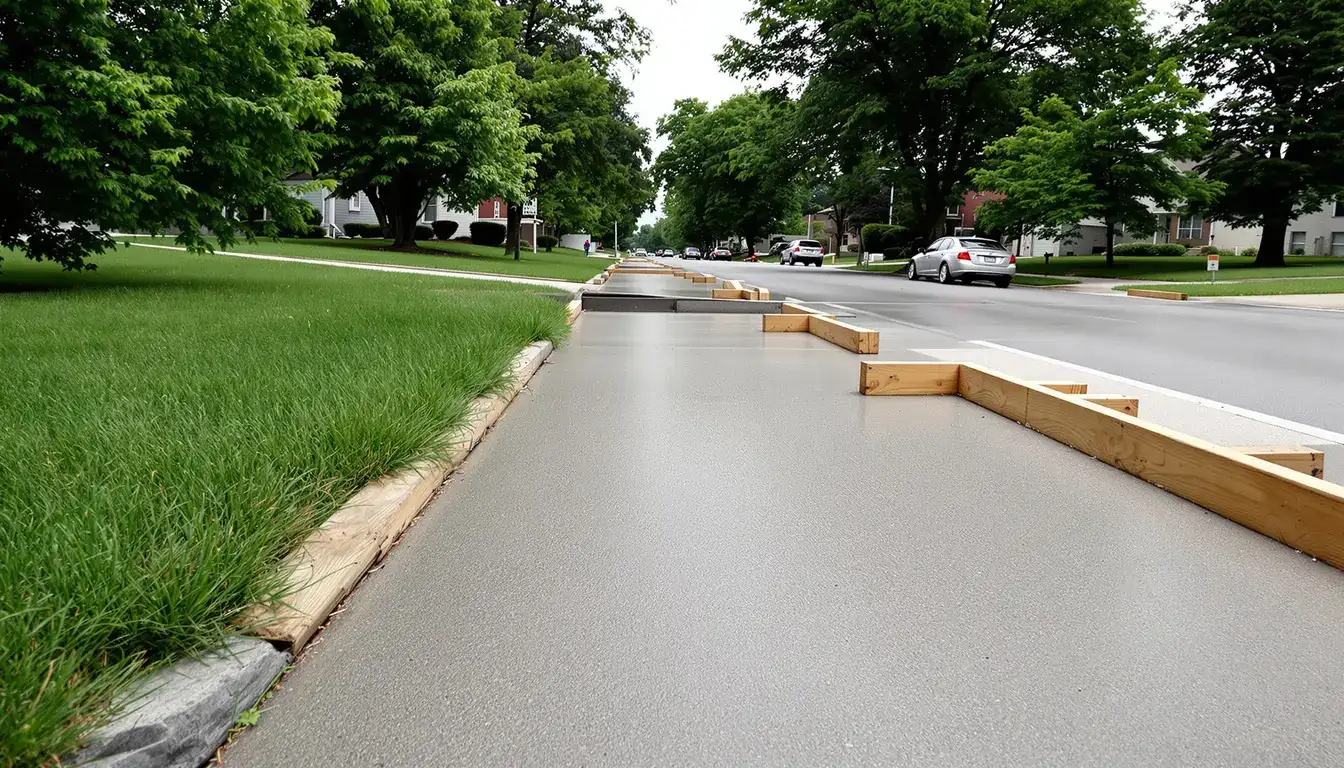
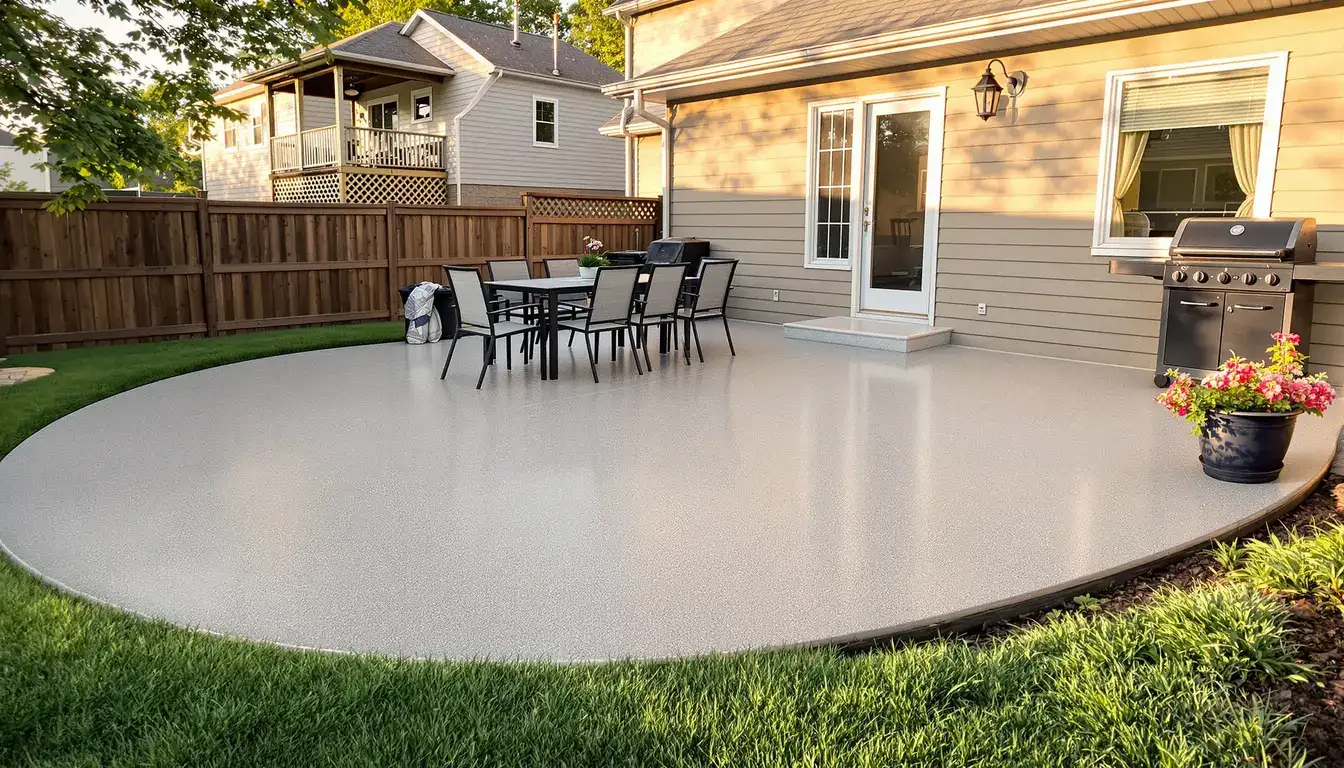
Nearby Lexington-area projects
Start your Lexington concrete project
From call to concrete — the fastest in KC.
Get a free, no-obligation estimate for your concrete project. We serve the entire Kansas City metro — call (816) 721-1699 or request your estimate online.