
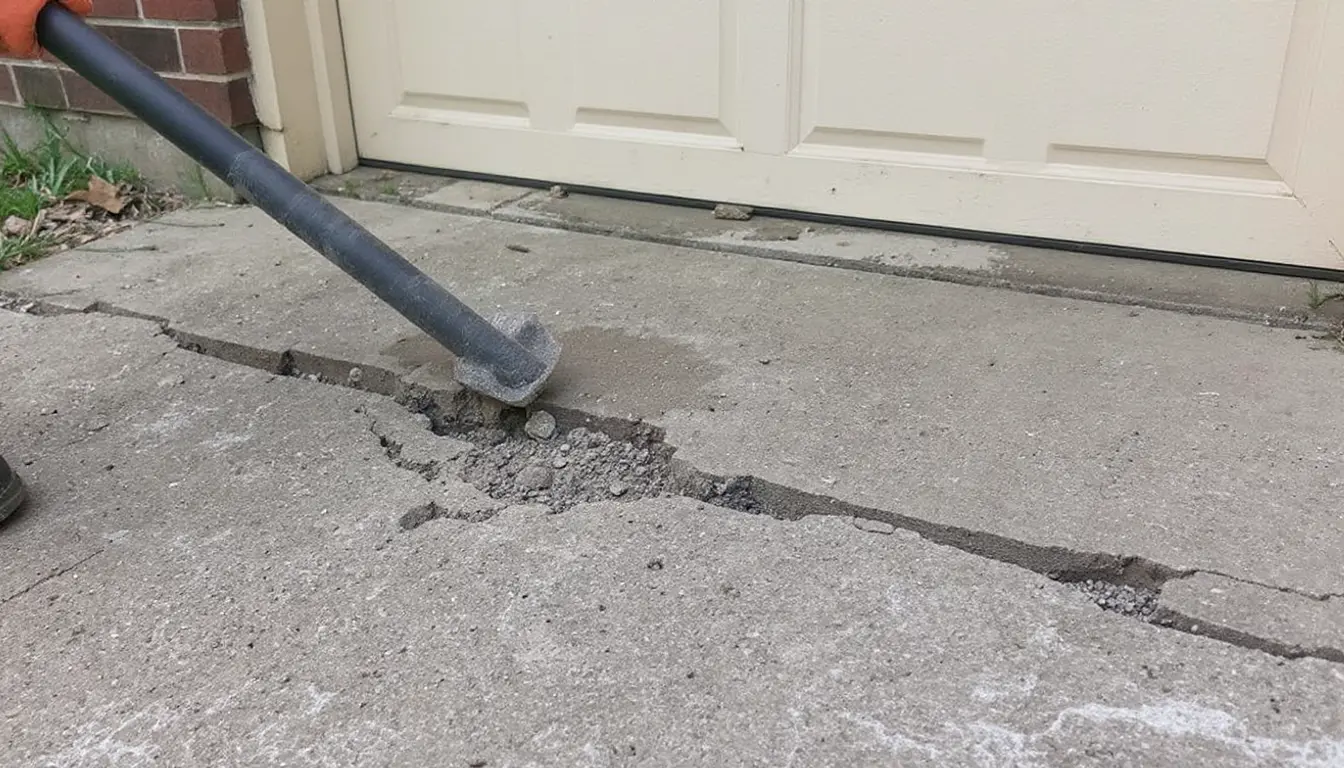
Concrete Repair in Lathrop, MO
Concrete repair for Lathrop — from farm and shop pads cracking under equipment loads to aging downtown walks and driveways settling on Clinton County's Grundy-Lagonda clay. We repair what's under the slab and match the fix to the load, not just skim the surface.
Concrete Repair in Lathrop
Concrete crack repair, spalling repair, joint sealing, and structural restoration for all concrete surfaces. Ford Concrete serves Lathrop, MO and the entire Kansas City metro with more than a decade of experience and a 5-star reputation.
Lathrop at a Glance
- Population
- 2,088
- State
- Missouri
- County
- Clinton County
- Schools
- Lathrop R-II School District
In Lathrop, the repair that lasts starts under the slab
Most concrete that fails in Lathrop didn't fail at the surface — it failed underneath. Clinton County's Grundy-Lagonda clay swells and shrinks below the slab, and where an old pour was set thin on unprepared ground, the base moves and the concrete follows. A lasting repair fixes the substrate, then the spall or crack above it.
Lathrop is a farm town on the I-35 commuter corridor, and a lot of its concrete — long driveways, shop pads, downtown walks — was placed decades ago straight on native clay with little base under it. When that clay works with the seasons, a slab set on it cracks and settles no matter how good the surface once was. MoDNR maps these Clinton County soils, and they move about as much as the record shows. Across the KC metro, property owners rate Ford Concrete 4.9 stars over 29 reviews for repairs that fix the cause under the slab, not just the symptom on top — you can read them in our reviews.
How Clinton County's clay works a slab loose
Grundy and Lagonda clay both hold water and change volume with it — wet and swelling in spring, shrinking and pulling away in a dry August. A slab riding on that clay gets lifted and dropped through the year, and the concrete cracks where the movement concentrates. The question we answer first is whether a crack is active — still opening and closing — or dormant and done moving.
A dormant crack on settled ground is a clean, durable repair. An active crack over moving clay will keep working, so we address what's driving it — usually the base and the water reaching it — before we fill anything. Sealing an active crack without fixing the cause just moves the next crack a few inches over.
Rebuilding the base and matching the pour to the job
Once we know the base is the problem, the repair addresses it directly. Where a slab has cracked but the concrete is otherwise sound, we can lift and re-support it or replace the affected section over a properly compacted base. Where the surface has broken down over good ground, a partial-depth repair — saw square, remove to sound concrete, prepare the substrate, and bond new material — restores it without tearing out the whole slab.
Where a slab has failed through, it gets a full-depth repair with the base rebuilt underneath. And on a farm town's concrete, thickness matters: a pad poured for a car but now parking equipment needs to be rebuilt to carry the load it actually sees. We never feather-edge a repair — tapered edges break off — and we spec the replacement to the real use, not the old one.
Why farm and shop pads crack when driveways don't
A residential driveway and a shop pad can sit on the same Lathrop clay and age completely differently, because the pad carries loads the driveway never sees. Equipment, grain trucks, and trailers put point loads on concrete often poured at residential thickness, and the slab cracks and spalls at the load points long before a driveway would. The Watkins Motor Lines yard and the I-35 freight traffic put the same kind of stress on commercial approaches.
Repairing a working pad means matching the fix to the load: a rebuilt base, adequate thickness, and joints placed where the stress actually concentrates. A thin patch on a pad that carries a loader is a short-term fix. We size the repair to keep the pad in service, not to make the estimate smaller. For heavier commercial work, see our commercial concrete page.
Repairing Lathrop's aging downtown walks and curbs
The sidewalks and curbs through Lathrop's downtown and around the historic school have decades on them, and much of the damage there is surface-level — scaling, raveled curb faces, and lifted panels — sitting on ground that's still holding. That's ideal partial-depth repair territory: remove the failed surface, prepare the concrete beneath, and rebuild to match, without replacing a whole run of walk that's structurally fine.
Where panels have heaved or a trip lip has opened at a joint, we correct the elevation and tie the repair into the neighboring slabs so the walk reads flat and safe. On older public concrete, matching the finish and the grade matters as much as the patch itself. Work in the right-of-way may need review — our permits guide covers it.
Surface spalling and edge damage along the I-35 frontage
Lathrop's exposed concrete — the I-35 and MO-116 frontage lots, driveways, and newer public walks — takes freeze-thaw and deicer damage every winter. Water works into the surface, freezes, and flakes it off as scaling, and narrow lots with poor drainage lose their unconfined edges first, where there's no curb to hold the slab. NOAA's freeze-thaw record and a roughly 36-inch frost depth here mean the surface and edges take a real seasonal hit.
Surface-only damage we repair to sound concrete and reseal. Where salt has reached shallow steel and corrosion is pushing the concrete off, we remove behind the exposed reinforcement and treat it rather than patch over rust. Fixing the drainage that's undercutting an edge is part of the repair, not an afterthought.
What a Lathrop repair costs — and when to replace
We won't put a per-foot price on a repair before we've seen what's under the slab, because on Clinton County clay the cost lives in the base. A crack over sound ground is a modest fix; a slab that's settled because the base washed out is more involved. What you'll always get is a straight read on which is which and a number you can plan around.
Repair makes sense when the concrete is sound and the base can be corrected. When a slab has broken into a connected web of cracks, the base is gone, or corrosion runs through the reinforcement, replacement is the better value and we'll say so in writing. We'd rather lose a small patch job than sell a repair that won't hold on ground this active. Call (816) 721-1699 for a free estimate.
Concrete settling or cracking in Lathrop?
From call to concrete — the fastest in KC.
We'll find out whether it's the base, the load, or the surface — and tell you what's worth repairing and what isn't, with a number on it. Straight answer, usually within 24 hours. Call (816) 721-1699.
What Lathrop Concrete Repair projects require
Find out what's under the slab
Read the cracks and the load
Rebuild the base and match the pour
Repair, seal, and be straight on replacement
When Concrete Repair in Lathrop is ready to replace
A driveway settling toward one side
A shop pad cracking at the load points
A crack that reopens every season
Scaling or raveled curbs downtown
An edge crumbling with no curb to hold it
Why Ford for your Lathrop Concrete Repair
We repair the base, not just the top
On Clinton County's Grundy-Lagonda clay, most failures start underneath. We fix the substrate and drainage so the repair holds.
We match the pour to the load
A shop pad that parks equipment needs more than a driveway pour. We rebuild repairs to the load the slab actually carries.
We read active versus dormant first
An active crack over moving clay keeps working. We diagnose the movement before committing to a fix.
Rated 4.9 across the metro
KC-metro property owners rate Ford Concrete 4.9 stars over 29 reviews for repairs that fix the cause, not the symptom.
Proof we pour at any scale
From your driveway to an Amazon warehouse — the same crew, the same standards, every project.
Taco Bell
New Construction
Overland Park, KS
Domino's Pizza
New Construction
Independence, MO
Freddy's
New Construction
Kansas City
Tidal Wave Car Wash
New Construction
Kansas City
Amazon
New Construction
Riverside, MO
Nortian Food Grade Protein Facility
New Construction
Springfield, MO
Price your Lathrop Concrete Repair project
Or call us directly: (816) 721-1699
Concrete Repair in Lathrop — FAQs
My driveway keeps cracking no matter how many times I patch it — what's wrong?
Can you repair a shop or farm pad that's cracking under equipment?
Is my crack active or dormant, and why does it matter?
Do I need a permit to repair concrete in Lathrop?
Is it cheaper to repair or replace old concrete here?
Related concrete services in Lathrop
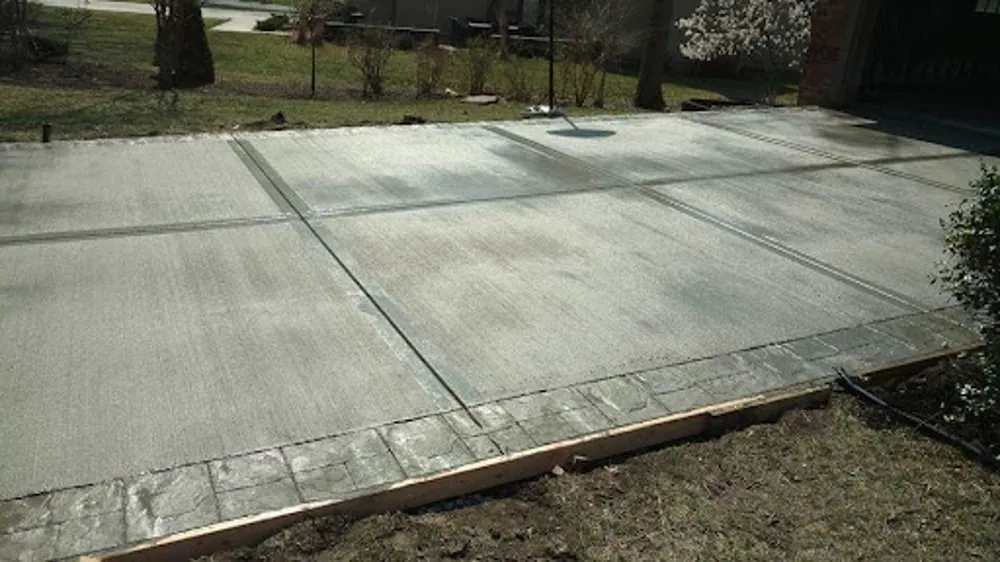
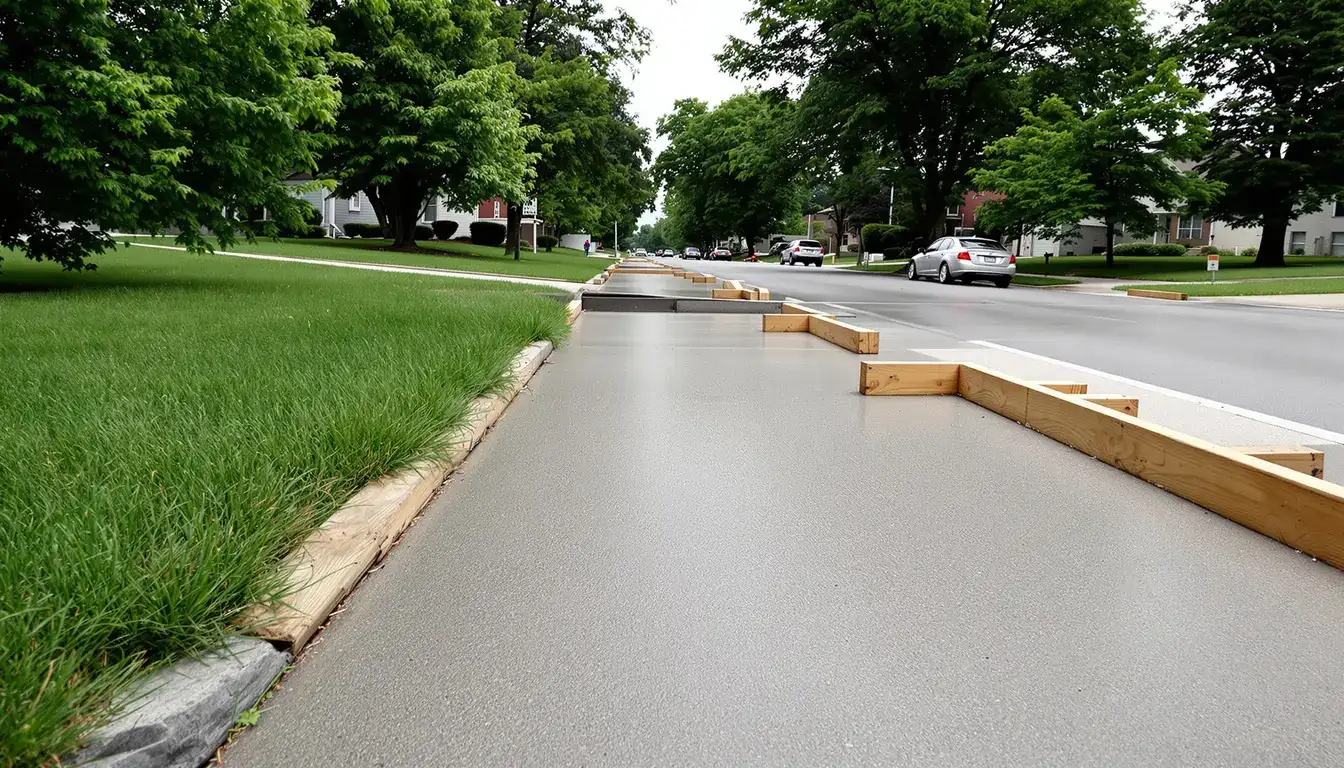
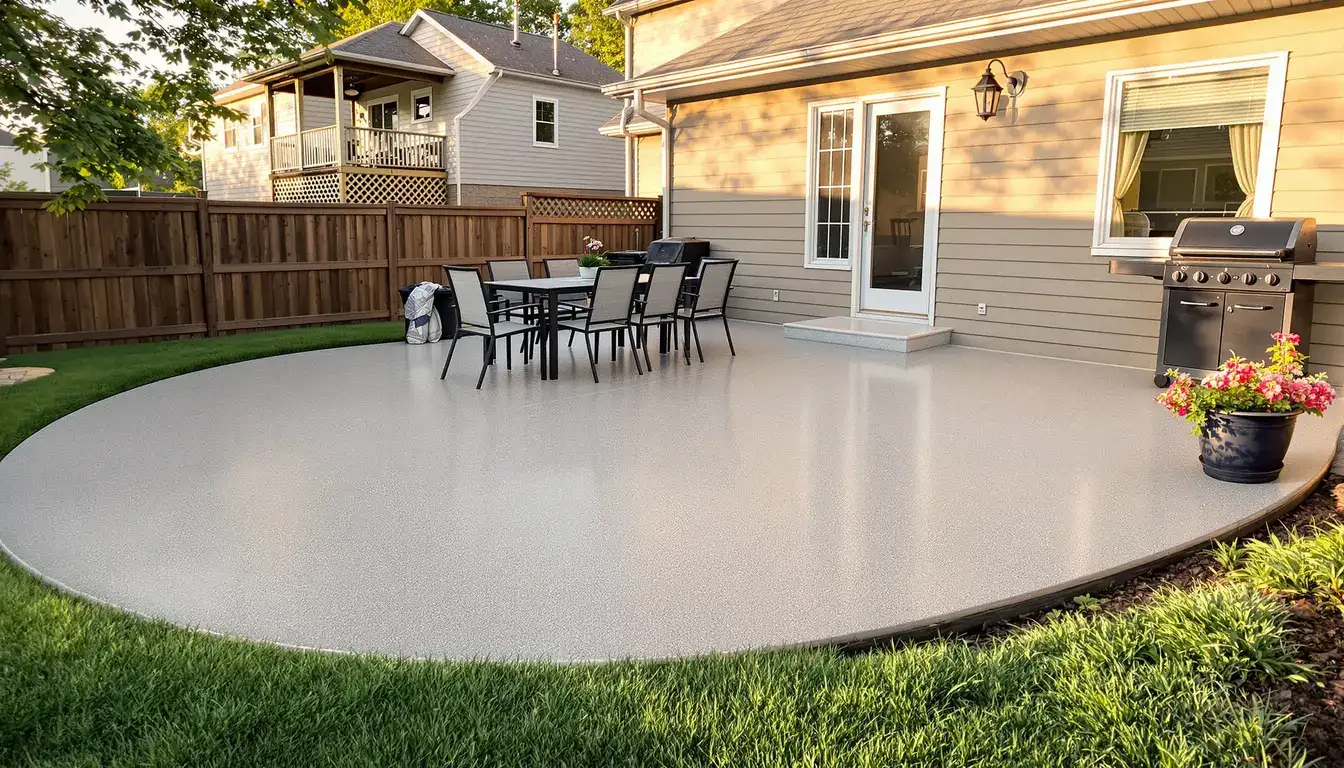
Nearby Lathrop-area projects
Start your Lathrop concrete project
From call to concrete — the fastest in KC.
Get a free, no-obligation estimate for your concrete project. We serve the entire Kansas City metro — call (816) 721-1699 or request your estimate online.