
Warehouse & Industrial Floors in Liberty, MO
Industrial concrete floors for Liberty's I-35 and MO-152 commerce corridors — sealed against Clay County ground moisture, tested before coating, and poured to a flatness spec you can measure.
Warehouse & Industrial Floors in Liberty
High-performance industrial concrete floor installation for warehouses, distribution centers, and manufacturing facilities. Ford Concrete serves Liberty, MO and the entire Kansas City metro with more than a decade of experience and a 5-star reputation.
Liberty at a Glance
- Population
- 31,755
- State
- Missouri
- County
- Clay County
- Schools
- Liberty Public Schools
What decides when a Liberty warehouse floor is ready
A warehouse floor in Liberty is usually held up by water, not by strength. The slab reaches its design strength in weeks, but the moisture inside it takes far longer to leave, and no coating, no adhesive, and no rack anchor should go down until it does. A floor built to hit a schedule starts with a vapor retarder directly under the slab and ends with a number on a test report.
That matters more here than in most of the metro. Liberty's warehouse ground sits along I-35 and MO-152, where the Liberty Commerce Center and the distribution buildings around it went up fast between 2018 and 2024. Clay County's upland silty clay holds water against the underside of a slab and gives it back slowly, so a floor poured on wet ground without a sealed barrier can still be reading too wet to coat months after the crew has left.
Clay County ground and the water it holds
The subgrade under Liberty's industrial buildings is a silty clay that drains poorly and moves with the seasons — not the rock shelf Johnson County builders get, and not clean river sand. It stays damp under a building long after the surface around it has dried, because a slab and a roof stop it from ever drying from the top.
So the base under a Liberty floor does two jobs. It gives the slab uniform bearing, built up in compacted lifts and proof-rolled before anything is poured, and it breaks capillary rise with clean, open-graded stone rather than fines that wick water upward. We build that base to the load, not to a default thickness, then check it with a proof roll while it can still be fixed.
The vapor retarder goes under the slab, not under the base
The single most expensive mistake we see on Northland industrial floors is a vapor retarder buried under the stone base with a blotter layer of sand on top of it. The idea was to help the slab cure evenly. What it actually does is trap a wet sponge directly beneath the concrete, where it feeds moisture into the slab for years.
We place the barrier in direct contact with the underside of the slab, lap and tape the seams, seal it around every column and pipe penetration, and protect it while the reinforcement goes in. That single detail is usually the difference between a floor that takes a coating on schedule and a floor that fails an F2170 RH test twice and pushes a tenant's move-in date.
Testing the slab before the coating goes down
Guessing at slab moisture is how coating failures happen. F2170 RH testing puts probes into holes drilled to 40 percent of the slab depth, lets them come to equilibrium, and reports the relative humidity inside the concrete — the actual condition a coating will sit on, not the surface condition on a dry afternoon.
We test rather than promise. If a slab reads above what the coating manufacturer allows, the honest answer is that it needs more time or a different primer, and we say so before anyone rolls product onto it. Tenants moving into the Commerce Center corridor schedule around those numbers, so we get them early.
How flat a Liberty distribution floor has to run
Flatness stops being an opinion the moment a spec is written. FF/FL numbers — flatness and levelness — are measured under ASTM E1155, normally within 72 hours of the pour, and they are what a landlord or a general contractor holds you to on a distribution building off I-35.
The number you need depends on how the trucks drive. Random traffic floors, where lifts wander anywhere across an open field, take a straightforward overall flatness spec. Narrow-aisle buildings running fixed paths need defined-traffic tolerances measured along the wheel tracks, and a true VNA operation with a high-reach turret truck is stricter again, because at 30 feet up a small dip at the wheel becomes a large sway at the fork.
Sizing the slab to the racks off I-35
A floor is designed to what stands on it. The load that governs is not the pallet weight spread over the building; it is the rack load concentrated under each upright baseplate, a few square inches carrying tens of thousands of pounds down into the slab.
We ask for the rack layout and post loads before setting thickness, joint spacing, and reinforcement. Where there is no layout yet — common on a speculative Liberty Commerce Center building with no tenant — we design to a defensible range and put in writing what it will and will not carry, so nobody finds the limit after the uprights are anchored.
Joints, curl, and the wheels that find them
Concrete shrinks as it dries, and it dries from the top. That is what causes curling: slab edges lift slightly at the joints, and a hard forklift wheel dropping across a lifted edge hammers it until it spalls. Every hard-wheeled floor in Liberty fails at its joints first, not in the middle of a panel.
We control it with early saw cut timing and sensible panel spacing, load transfer across the joints with a dowel basket so panels move together instead of independently, and a semi-rigid joint filler that supports the joint edge against wheel impact. At dock openings and other high-impact lines, an armored joint puts steel where the abuse actually lands.
Liberty permits and the floors behind our name
Liberty's building department reviews industrial work seriously, and MoDNR rules govern site discharge on the Missouri side. We pull the permits, coordinate our pours with the general contractor's schedule, and keep our testing documentation where the inspector and the owner can both see it.
For proof, look at the work rather than the adjectives. Ford Concrete has poured new-construction warehouse and industrial floors for Amazon in Riverside and for the Nortian food-grade protein facility in Springfield — real buildings with real flatness and moisture requirements, though neither is in Liberty. Across the KC metro we hold a 4.9-star average across 29 reviews. See the gallery, our commercial concrete work, and how we work with general contractors. Nearby, we build the same floors in Kearney, Smithville, Excelsior Springs, and Riverside, and the full service page is here. If the ground itself is the question, our Kansas City soil conditions guide covers what sits under the Northland.
Building or coating a floor in Liberty?
From call to concrete — the fastest in KC.
If a coating is going down or racks are going up, the slab's moisture and flatness numbers decide the date. Ford builds the floor around both. Call (816) 721-1699 for a site visit.
The Liberty Warehouse & Industrial Floors process, start to finish
Read the site and the spec
We review the Clay County subgrade, the drawings, and the flatness and moisture requirements you are held to.
Build and proof the base
Compacted lifts of clean stone, proof-rolled and corrected before any concrete is scheduled.
Seal the underside
The vapor retarder goes on tight to the slab, lapped, taped, and sealed around every column and pipe.
Place and finish flat
We pour to the mix and thickness the rack load calls for and finish to the FF/FL target.
Cut, cure, and fill
Early saw cuts, controlled cure, then joint filler once the slab has done most of its shrinking.
Test and hand off
E1155 flatness and F2170 RH results go to you and the general contractor before the racks arrive.
Is your Liberty Warehouse & Industrial Floors failing?
A coating that blistered or peeled
Moisture driving up through the slab lifted the coating — usually a missing or badly placed vapor retarder.
RH tests reading too wet to coat
The slab is feeding on damp Clay County ground beneath it and cannot dry to the coating's limit.
Spalled, broken joint edges
Curled slab edges and hard wheels are chipping the joints where load transfer or filler is missing.
Racks that will not shim level
Slab levelness misses the FF/FL the racking assumed, so uprights need packing at every bay.
Dust and wear under the traffic lanes
A weak or unhardened surface is abrading where the lift wheels travel most.
Standing water inside the building
Low spots and a flat-out-of-tolerance floor are pooling wash-down water instead of draining it.
The Ford difference on Liberty Warehouse & Industrial Floors
The barrier under the slab
We set the vapor retarder in direct contact with the concrete and seal every seam and penetration — no sand blotter.
Numbers, not promises
We run F2170 RH probes and hand you the readings before any coating or adhesive is scheduled.
Flatness you can measure
We pour to the FF/FL spec on the drawings and support E1155 testing inside the 72-hour window.
Built for the racks
Slab thickness and joint layout come from your post loads and aisle plan, not a default detail.
Where our Warehouse & Industrial Floors crews have delivered
From your driveway to an Amazon warehouse — the same crew, the same standards, every project.
Taco Bell
New Construction
Overland Park, KS
Domino's Pizza
New Construction
Independence, MO
Freddy's
New Construction
Kansas City
Tidal Wave Car Wash
New Construction
Kansas City
Amazon
New Construction
Riverside, MO
Nortian Food Grade Protein Facility
New Construction
Springfield, MO
Get your free Warehouse & Industrial Floors estimate in Liberty
Or call us directly: (816) 721-1699
Warehouse & Industrial Floors in Liberty — FAQs
Why does a new Liberty warehouse floor fail a moisture test?
How long before we can coat the floor?
What FF/FL numbers does our building need?
Do you need our rack layout before pouring?
Why do the joints break down before anything else?
Have you built floors like this before?
Other concrete work we do in Liberty
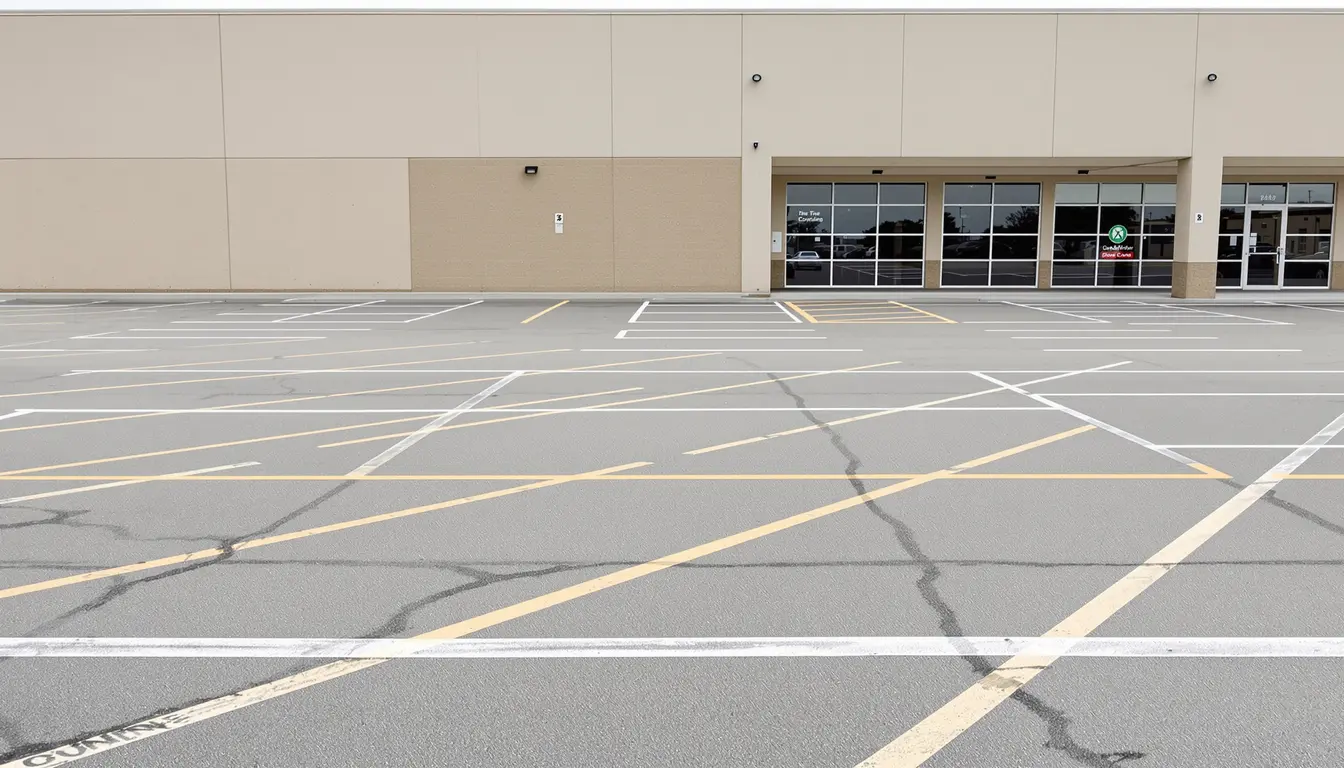
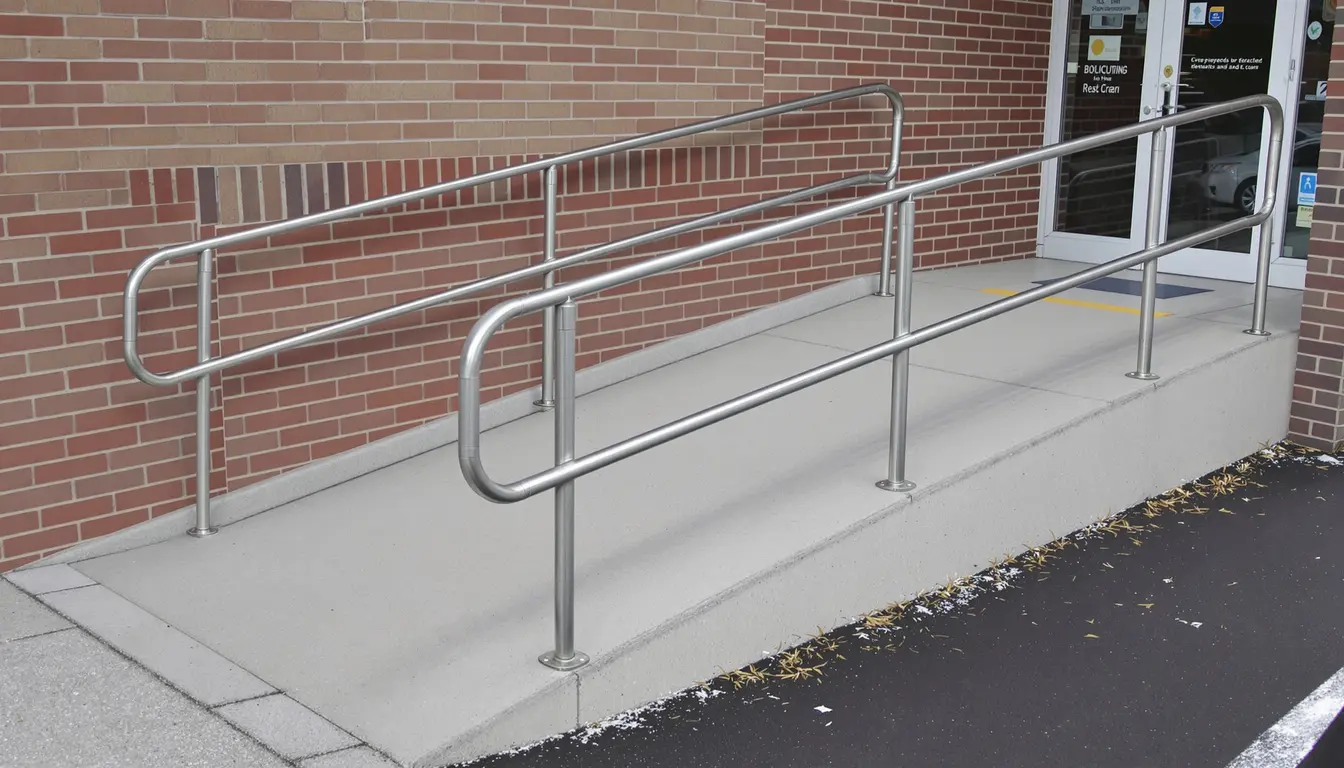
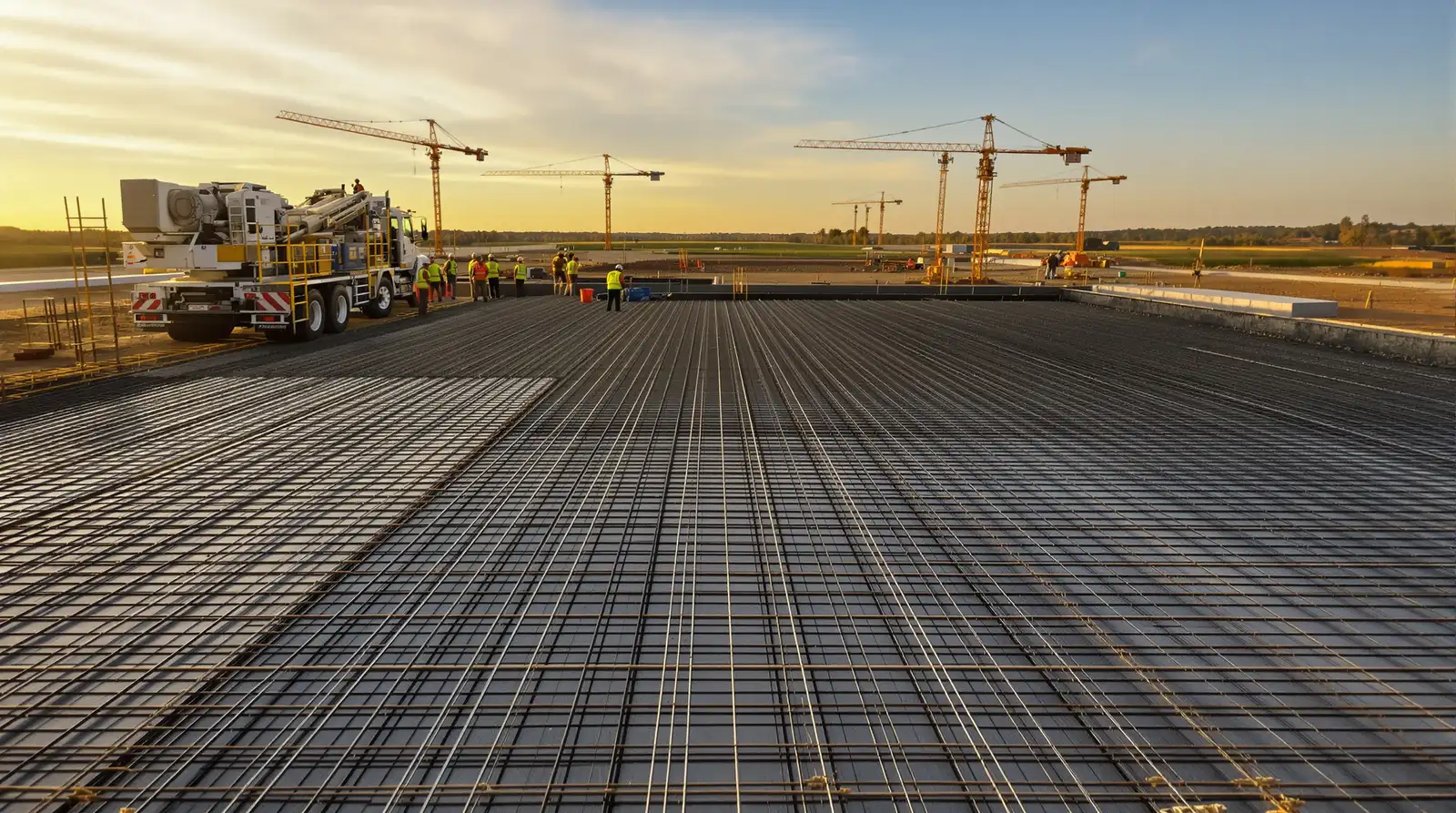
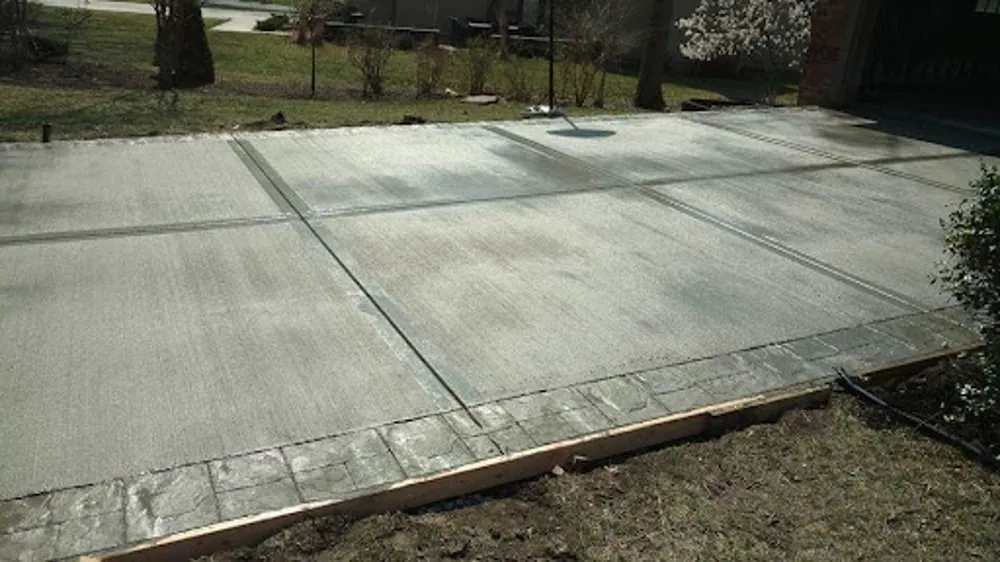
Warehouse & Industrial Floors across the Clay County area
Ready to pour in Liberty?
From call to concrete — the fastest in KC.
Get a free, no-obligation estimate for your concrete project. We serve the entire Kansas City metro — call (816) 721-1699 or request your estimate online.