
Warehouse & Industrial Floors in Saint Joseph, MO
Warehouse and industrial floors for Saint Joseph's Stockyards district and Belt Highway corridor — built for buildings that get washed down, run cold, and never stop.
Warehouse & Industrial Floors in Saint Joseph
High-performance industrial concrete floor installation for warehouses, distribution centers, and manufacturing facilities. Ford Concrete serves Saint Joseph, MO and the entire Kansas City metro with more than a decade of experience and a 5-star reputation.
Saint Joseph at a Glance
- Population
- 71,811
- State
- Missouri
- County
- Buchanan County
- Schools
- St. Joseph School District
What a Saint Joseph floor has to survive after the shift ends
In a food or agribusiness building, the floor's hardest hours are the ones after production stops. Hot water, caustic cleaners, and pressure hit the slab every night, so the floor gets designed around water leaving fast, chemistry it can take, and joints that stay closed — not around square footage.
That is a different animal from a dry distribution floor, and Saint Joseph is full of it. The Stockyards industrial district and the plants along the I-29 and US-169 corridors run protein, agribusiness, and bioscience work, and a sanitation crew puts more water through those floors in a year than the weather does. A slab that would last thirty years in a dry warehouse can be visibly failing in five here.
What kills it is rarely the load. It is water finding a way under the slab through failed joint filler or a failed coating, then working on the base from below while everything still looks fine from above.
Slope to drain and flatness pull in opposite directions
Here is the tension nobody mentions until it is poured: a wash-down floor has to fall to its drains, and a flat floor does not fall anywhere. You cannot have both in one room, so somebody has to decide which the building needs, where.
Our read is that it is a room-by-room answer, not a building-wide one. In wet process areas, drainage wins — water standing on a floor is a sanitation finding, and a floor that holds puddles will fail its own audit long before it fails structurally. So those bays get real pitch to the drain lines, and the flatness specification gets written to suit a sloped floor rather than pretending the room is level.
In the dry storage and staging bays, flatness wins, and it gets measured as FF/FL to ASTM E1155 like any other warehouse floor. The mistake we see is a single flatness spec stamped across a whole plant, which leaves the wet rooms holding water and the dry rooms paying for tolerances they use for nothing.
Freezer and cooler slabs: the ground under them gets cold too
A freezer floor is the one slab in an industrial building that can destroy itself with no traffic on it at all. Run a room below freezing long enough and the cold works down through the slab into the ground beneath — and wet ground that goes below freezing expands. The floor lifts, doors stop closing, and in a bad case the slab breaks its own panels from underneath.
The fix is not more concrete — it is insulation under the slab, and where the room runs cold enough and the ground is wet enough, a heating loop or ventilation path below it to keep the ground beneath from ever freezing. That is a design decision made before anything is poured. It cannot be added afterward without removing the room.
The vapor retarder matters more in these rooms than anywhere else in the building, too. Cold slab, warm wet ground below, and the vapor drive runs upward relentlessly. A cooler or freezer slab without a sealed retarder underneath is a slab that will never be dry enough for the floor system going on top of it.
The slab decides whether the coating lasts
Almost every wet-process floor in a food building has something on top of the concrete — a urethane mortar, an epoxy, a topping — and almost every one of those systems that fails, fails at the bond line rather than in itself. Moisture is why: ground water still driving up through the slab collects under the coating and pushes until the bond gives. So we test rather than guess.
F2170 RH probes go into the slab and tell us the internal humidity at depth, which is what the coating manufacturer's warranty is written against. A slab that is strong is not the same as a slab that is ready, and the difference between those two words is most of the coating failures in this industry.
Under the coating, the concrete still has to be worth bonding to. Where a room is not getting a topping, abrasion resistance comes from the surface itself — a dry-shake hardener worked in at the right moment gives the wheels and the pallet corners something hard to fight.
Stockyards ground and the axle loads off I-29
Saint Joseph's older industrial ground sits low, near the river, and river-laid ground is variable by nature — soft pockets next to firm ones with no pattern you can see from the surface. Buchanan County's drainage problems in the older industrial sectors are exactly what that ground does when it is asked to hold up loaded trailers.
So the base work is not a formality. We proof-roll the exposed subgrade under load and watch what pumps or deflects, correct the soft ground rather than bridging over it with more rock, and build the base back in compacted lifts. In a plant running extreme axle loads — meat, grain, and bulk freight moving continuously to I-29 and US-169 — a soft pocket under a dock approach does not stay small for long. The dock approach gets the same base work as the field, because an armored joint over soft ground is just a well-detailed failure.
Joints in a floor that gets washed every night
The joint is where a sanitation floor lives or dies, because a joint is a path to the base and water is looking for one. So the joint detailing here is stricter than a dry warehouse would need.
We cut early with a saw cut so the slab relieves where we planned, set a dowel basket at construction joints so a loaded axle transfers across instead of hammering an unsupported edge, and put an armored joint on the dock impact lines. Then the joints get filled — with a filler chosen for the chemistry the room actually sees, and installed after the slab has done most of its shrinking rather than on the schedule's preferred date. Filler forced into a joint that is still opening tears out, and in a wet room a torn joint is an open pipe to the base.
Saint Joseph permits and the floors behind our name
We pull City of Saint Joseph permits, work to MoDNR site rules, and schedule around production windows and sanitation shifts instead of around ourselves. For proof: Ford Concrete poured the new-construction floors for the Nortian food-grade protein facility in Springfield — the same category of building, the same wash-down and coating demands — and new-construction industrial floors for Amazon in Riverside. Neither is a Saint Joseph job, and we will say so plainly, but both are the real thing. KC-metro property owners rate us 4.9 stars across 29 reviews. See the gallery, our commercial concrete work, and how we work with general contractors. We pour the same floors in Platte City, Kearney, and Smithville. The service page is here, and the Kansas City soil conditions guide covers the river ground under this part of Missouri.
Coating failing in a wash-down bay?
From call to concrete — the fastest in KC.
It is usually the slab underneath, and we can tell you for certain rather than guessing. Call (816) 721-1699 for a Saint Joseph plant walk-through.
Our Warehouse & Industrial Floors method for Saint Joseph sites
Map the rooms by duty
Wet process, cooler, freezer, dry storage, dock — each gets its own slope, surface, and flatness answer.
Prove the subgrade
We load the exposed river-laid ground and correct the soft pockets instead of bridging over them with rock.
Insulate and seal what runs cold
Under-slab insulation for the cold rooms, and a vapor retarder tight to the slab underside throughout.
Pour, pitch, and detail
Real fall to the drain lines in wet bays, a stated FF/FL where it earns its cost, early saw cuts on plan.
Dowel and armor the joints
Load transfer at construction joints, armored joints where dock impact lands, nothing left to hammer an edge.
Test, then coat
F2170 RH probes read the slab at depth. The coating goes down when the number says so.
Is your Saint Joseph Warehouse & Industrial Floors failing?
Water standing after the wash-down
The floor does not fall to its drains. That is a sanitation problem long before it is a concrete problem.
A urethane or epoxy letting go in sheets
Moisture is collecting under the coating and breaking the bond. The failure is the slab's, not the coating's.
A freezer floor that has lifted
The ground under the cold room froze and expanded. Insulation below the slab is what prevents it.
Joint filler torn out in a wet bay
Now every wash-down puts water straight into the base under your floor, on a schedule.
Why Ford for your Saint Joseph Warehouse & Industrial Floors
We have poured food-grade
The Nortian food-grade protein facility in Springfield was ours — wash-down, coatings, and the tolerances that come with them.
Drainage before flatness
In a wet room, water leaving the floor beats a flat number. We spec the two room by room, not building-wide.
We test before we coat
F2170 RH probes go in the slab. The slab tells us it is ready — not the calendar and not the schedule.
Joints built to stay closed
Filler goes in after the shrinking, with chemistry chosen for the room. A torn joint in a wet plant is a hole to the base.
The projects behind our name
From your driveway to an Amazon warehouse — the same crew, the same standards, every project.
Taco Bell
New Construction
Overland Park, KS
Domino's Pizza
New Construction
Independence, MO
Freddy's
New Construction
Kansas City
Tidal Wave Car Wash
New Construction
Kansas City
Amazon
New Construction
Riverside, MO
Nortian Food Grade Protein Facility
New Construction
Springfield, MO
Start with a free Saint Joseph estimate
Or call us directly: (816) 721-1699
Warehouse & Industrial Floors in Saint Joseph — FAQs
Why do coatings keep failing in our Saint Joseph plant?
Can a warehouse floor be flat and drain properly at the same time?
Why would a freezer floor heave when nothing drives on it?
What makes an industrial floor food-grade rather than just industrial?
Our older Stockyards-area building has drainage problems. Is that fixable?
More Saint Joseph concrete services
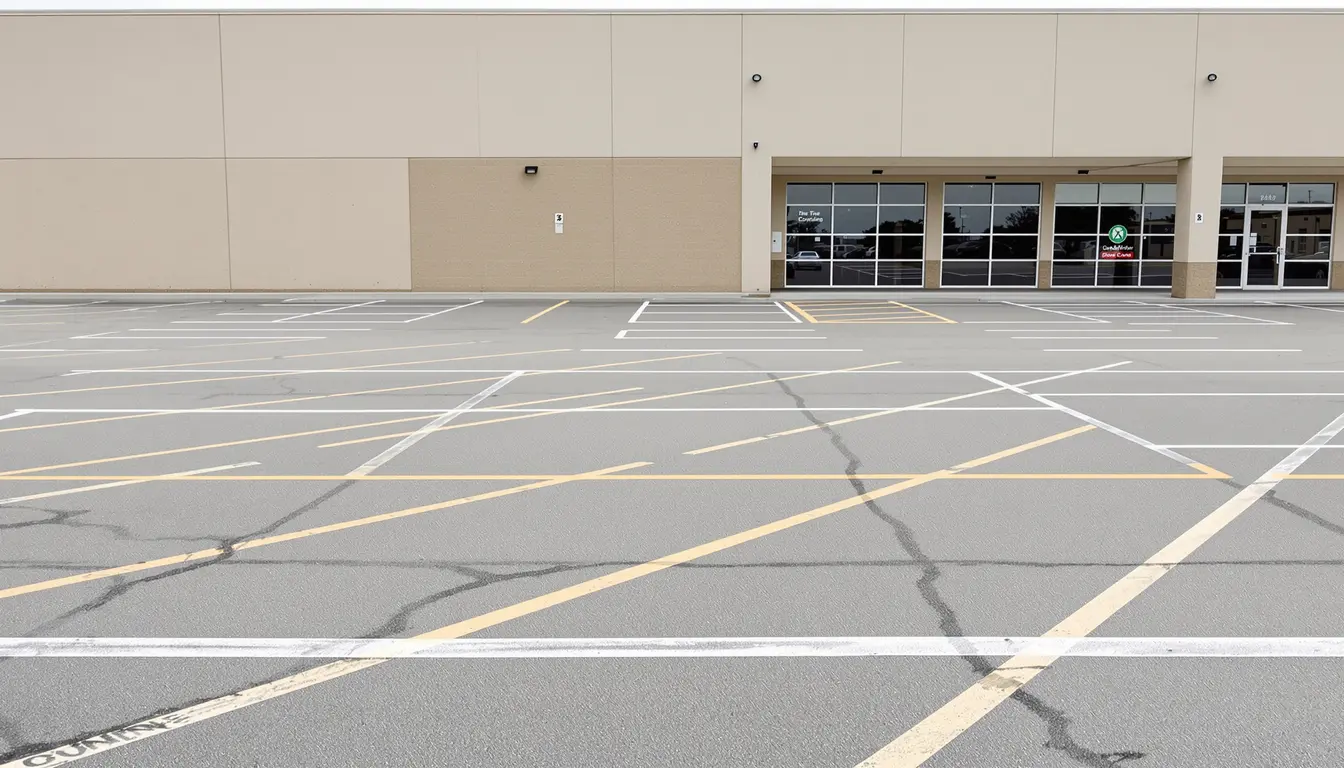
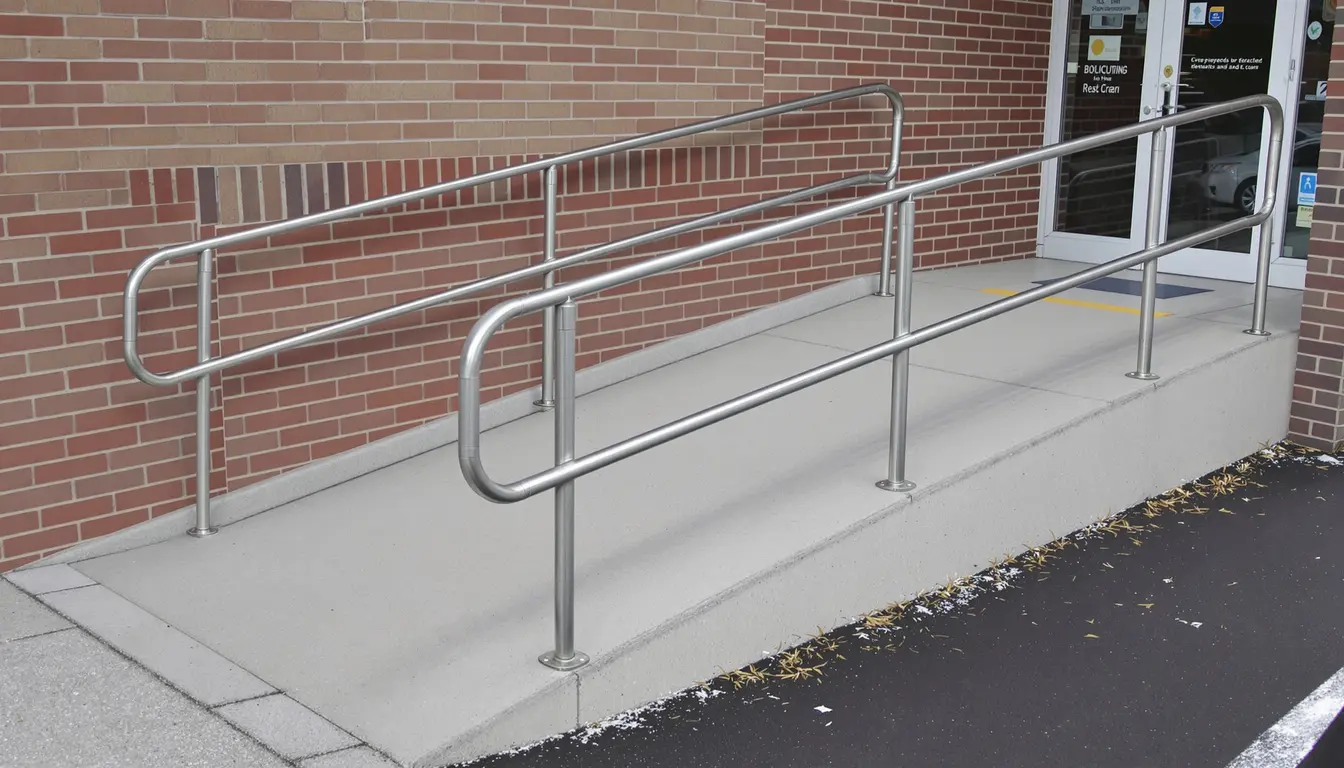
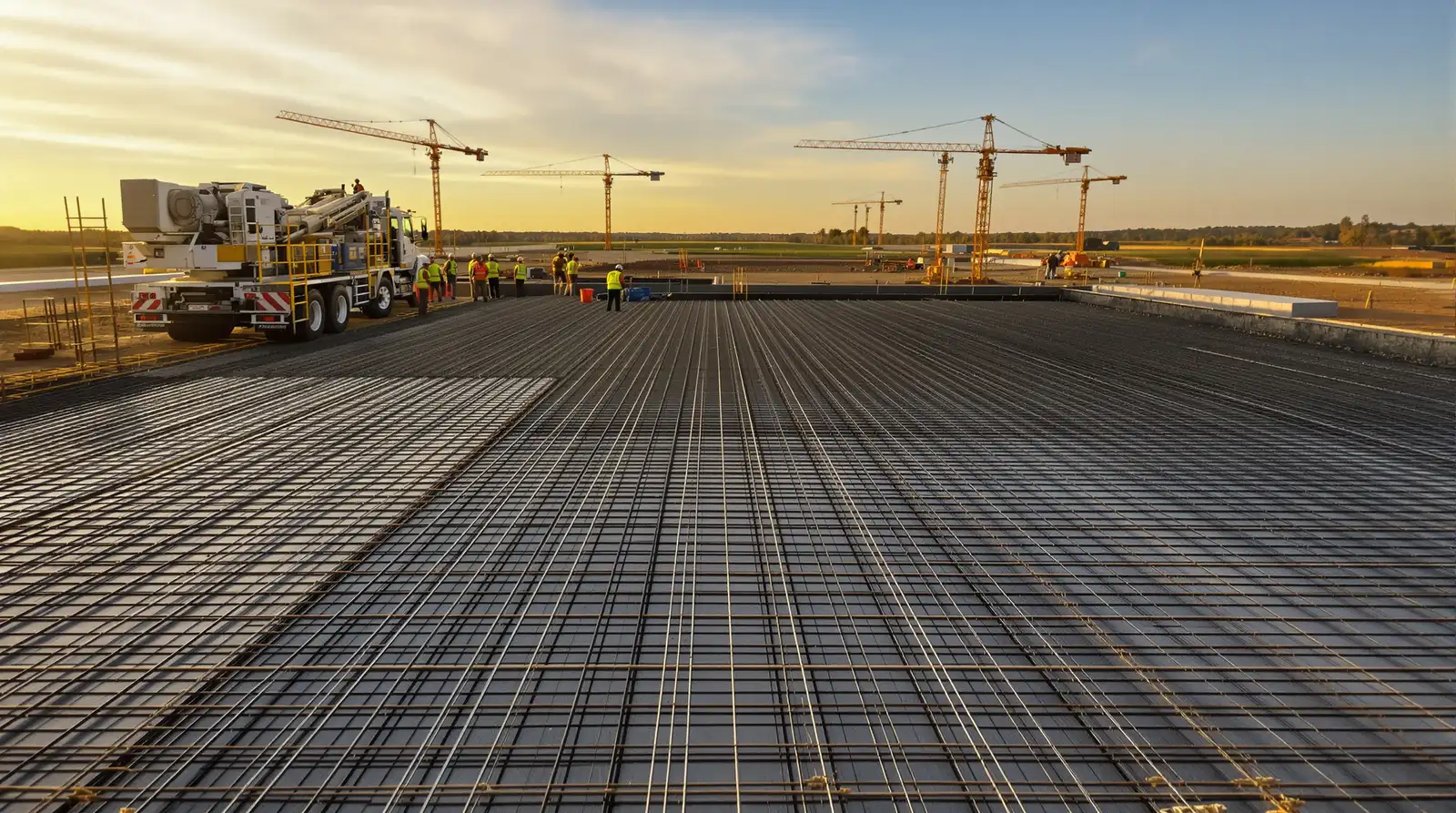
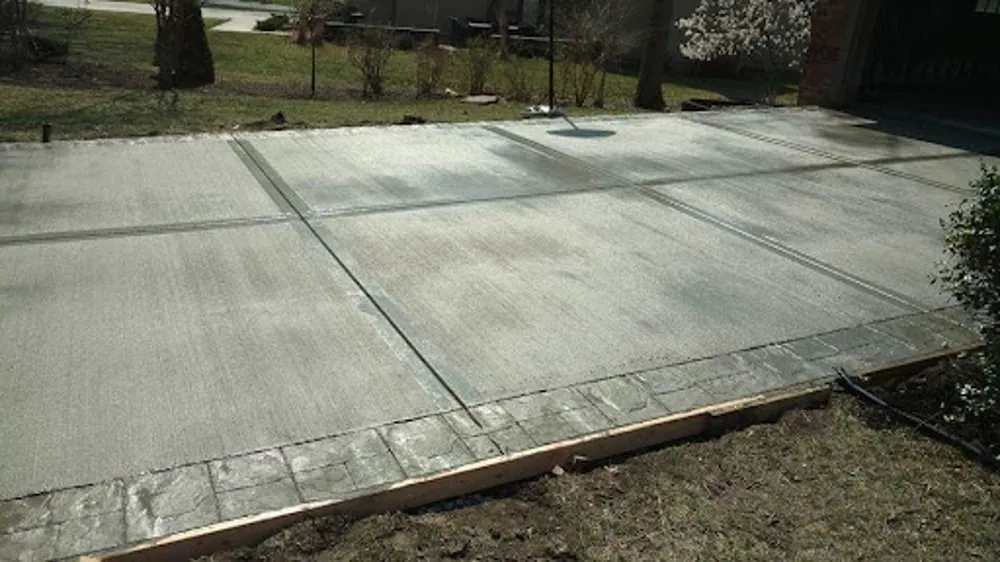
Warehouse & Industrial Floors across the Buchanan County area
Get your Saint Joseph project moving
From call to concrete — the fastest in KC.
Get a free, no-obligation estimate for your concrete project. We serve the entire Kansas City metro — call (816) 721-1699 or request your estimate online.